
5 Tips for Maintaining Your New Dental Implants for a Lifetime
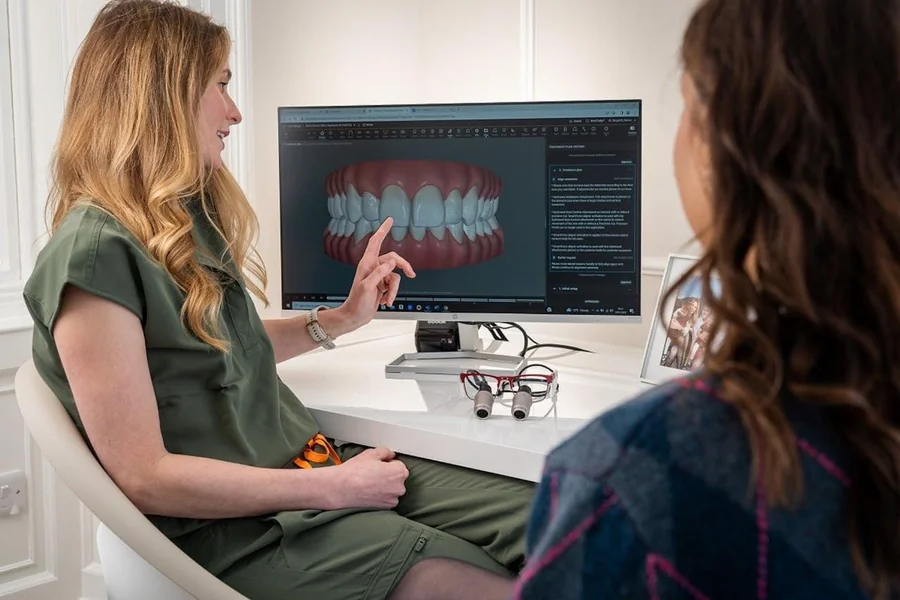
Restoring your smile with modern tooth replacement technology is a life-changing decision. Unlike traditional dentures or bridges, which may require periodic adjustments or replacements, modern restorative techniques are designed to last for decades—often for the rest of a patient’s life. However, while the titanium post of a prosthetic is immune to decay, the health of the surrounding gum tissue and bone remains the foundation of its success. Longevity is not a matter of luck; it is the result of consistent care and professional oversight.
Here are five essential tips to ensure your restorative work remains healthy and functional for years to come.
1. Master the Art of Specialized Oral Hygiene
The most common cause of failure in restorative dentistry is a condition known as peri-implantitis. Much like gum disease affects natural teeth, this condition involves inflammation of the soft tissue around the prosthetic. To prevent this, your daily hygiene routine must be meticulous. Traditional flossing can sometimes be difficult around the hardware, so many professionals recommend using interdental brushes or water flossers. These tools are designed to reach the crevices where the prosthetic meets the gum line, removing plaque that a standard toothbrush might miss. By maintaining a clean environment, you protect the bone-to-metal bond that keeps the replacement stable.
2. Prioritize Professional Cleanings and Exams
Regular visits to a specialist are non-negotiable for anyone with restorative work. During these appointments, a clinician uses specialized instruments made of plastic or resin to clean the prosthetic without scratching the surface. They also take radiographic images to ensure that the bone density remains sufficient. Whether you have visited a clinic for dental implants in Brampton or a similar facility, these routine checks allow your provider to identify minor issues before they become systemic failures. Early intervention is the key to avoiding the costly and complex procedures required to fix a failing prosthetic.
3. Avoid Using Your Teeth as Tools
While the porcelain or zirconia used for the crown is incredibly strong, it is not indestructible. One of the quickest ways to damage a high-end restoration is by using it to open packaging, bite fingernails, or chew on hard objects like ice and pen caps. Unlike natural teeth, which have a periodontal ligament that acts as a shock absorber, a prosthetic is fused directly to the bone. This means any excessive force is transferred directly to the structure, which can lead to fractures in the crown or, in extreme cases, damage to the underlying post. Treat your restorative work with the same care you would give to fine jewelry.
4. Protect Your Smile from Nighttime Grinding
Many people suffer from bruxism, or teeth grinding, without even realizing it. The immense pressure generated by clenching your jaw during sleep can cause the prosthetic to loosen or the porcelain to chip. If you wake up with a sore jaw or a headache, it is vital to discuss a custom-made night guard with your provider. For those who received their dental implants in Sarnia or other regional centers, a custom-fitted orthotic can provide a necessary cushion between the upper and lower arches. This simple protective measure can add years to the lifespan of your restoration by distributing biting forces evenly.
5. Maintain a Health-Conscious Lifestyle
The health of your mouth is intrinsically linked to the health of your body. Factors such as smoking and uncontrolled diabetes can significantly impair the body’s ability to heal and fight off infections around the prosthetic. Smoking, in particular, restricts blood flow to the gums, which is detrimental to the long-term success of the restoration. Furthermore, a diet rich in vitamins and minerals—specifically Vitamin D and Calcium—supports the bone density required to keep the prosthetic anchored. By staying hydrated and avoiding excessive sugary snacks, you create an oral environment where both natural teeth and restorations can thrive.
By following these guidelines, you ensure that your investment in your smile continues to pay dividends in the form of confidence, comfort, and functionality for the long haul.