
How to Plan a Compressed Air Network for Reliable, Efficient Growth
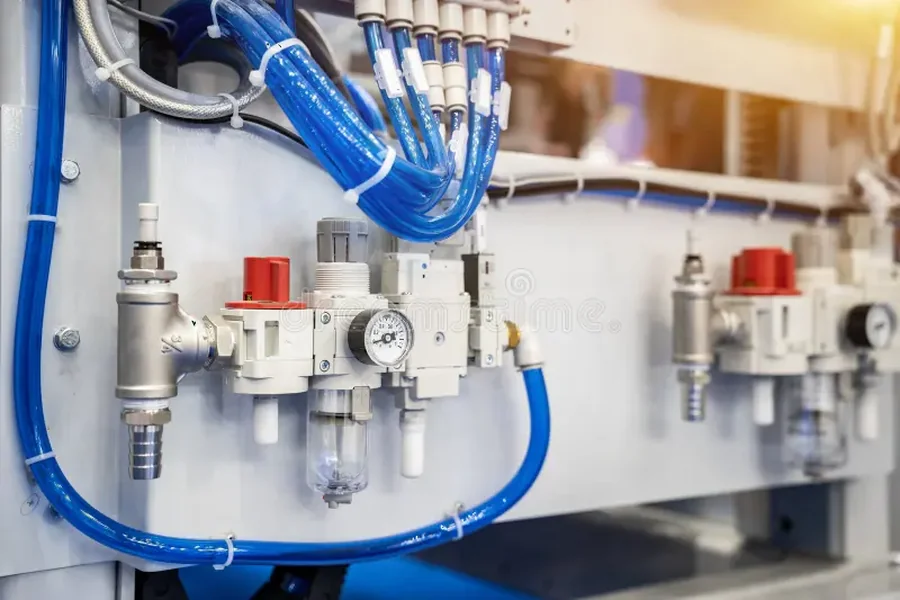
A compressed air network should be planned as a complete utility system, not as a compressor connected to a few pipes. From air generation and storage to treatment, distribution, and end-use equipment, each part affects reliability, pressure stability, and operating cost. Selecting a durable aluminum air pipe system can support an organized distribution layout, but the material choice is only one part of a sound plan.
The goal is to deliver the required flow, pressure, and air quality where production needs them, without creating unnecessary restrictions or installing capacity that will sit unused. A practical plan also makes maintenance easier and gives the facility room to adapt when new equipment, shifts, or production cells are added.
Why Compressed Air Planning Matters
Compressed air often receives attention only after a machine slows down, a tool loses force, or water reaches a sensitive process. By that point, teams may respond by increasing compressor pressure or adding equipment before identifying the actual restriction. A system-wide approach is more effective because it considers supply, demand, storage, distribution, controls, and end uses together.
Good planning reduces avoidable pressure drop, simplifies isolation and repairs, and helps prevent a single distant machine from dictating the operating pressure for the entire plant. Guidance on smarter controls and system design also emphasizes the relationship between storage, pressure management, compressor controls, and operator practices.
Measure Demand Before Choosing Equipment
Start with operating data rather than compressor nameplate capacity. Record flow, pressure, compressor loading, run time, production schedules, and major demand events. Average demand reflects the typical load, while peak demand indicates the highest sustained need. Short bursts, such as tool changeovers, cleaning cycles, or equipment start-up, may require a different response than a continuous load.
For example, a facility may appear to require a larger compressor because pressure drops during a brief washdown or a simultaneous actuator cycle. Data may show that the regular demand is adequate and that strategically placed storage or a local piping improvement would handle the short event. Review planned process additions, seasonal operating changes, and extra shifts before finalizing capacity.
Build a Practical Distribution Layout
A simple branch layout may be appropriate for a small operation, but a looped main can provide multiple flow paths to important areas. Pipe length, fittings, bends, internal restrictions, elevation changes, and long hose runs all influence pressure at the point of use. Keep service points close to the equipment they support, and avoid relying on long, tangled hoses as a permanent solution.
A Practical Layout Process
- Map every existing air user and mark its pressure and air-quality needs.
- Identify high-demand machines and equipment that cannot tolerate pressure fluctuations.
- Choose main routes, isolation valves, and connection points for future expansion.
- Locate drops and drains so condensate can be managed rather than carried to equipment.
- Confirm that valves, filters, drains, and pipe sections remain accessible for inspection and repair.
Clear labels on mains, drops, isolation valves, and zones reduce troubleshooting time. They also help maintenance personnel shut down only the section being serviced rather than interrupting the entire network.
Manage Pressure and Storage
Raising compressor setpoints can hide a local problem while increasing demand throughout the system. Before increasing pressure, inspect piping capacity, restrictive filters, regulators, poorly sized hoses, and local air use. Each major application should have a defined pressure requirement, and the system should be set to meet that requirement with an appropriate operating margin.
Receivers help absorb short demand spikes and can reduce unnecessary compressor cycling. Primary storage near the supply side supports overall stability, while supplemental storage near intermittent, high-demand equipment can reduce the effect of local events on the rest of the plant. Storage must be paired with properly located drains and controls to deliver its intended benefit.
Match Air Quality to the Application
General plant air, instrument air, process air, and breathing air do not have identical requirements. Filters, separators, dryers, drains, and regulators should be selected according to the equipment and process they serve. Painting, electronics, food-related processes, outdoor equipment, and pneumatic instruments can have very different moisture and contamination risks.
Confirm the required pressure dew point, particulate control, oil tolerance, ambient conditions, and the consequences of contamination before specifying treatment equipment. Breathing-air systems require dedicated design, testing, and compliance measures and should never be treated as ordinary plant air.
Use Controls and Monitoring Wisely
Where multiple compressors operate, lead-lag sequencing can help distribute work in an orderly way. A variable-speed compressor may also effectively meet changing demand when properly sized and integrated with the rest of the controls. The best arrangement depends on the demand profile, storage capacity, compressor types, and required redundancy.
Monitor pressure, flow, power, dew point, and run time when practical. Trends can reveal rising demand, recurring pressure loss, equipment overload, or an air-quality problem before they become production interruptions. Monitoring only creates value when a responsible person reviews the information and has a process for acting on abnormal conditions.
Find Leaks and Plan Maintenance
Leaks are easy to miss in noisy facilities, especially around quick-connects, threaded joints, hose connections, regulators, drain valves, filters, and flexible connectors. Schedule leak surveys and rank repairs by likely air loss, operating hours, safety implications, repair cost, and production impact. Consistent compressed air efficiency practices include training employees to report audible leaks and returning to repaired areas to confirm the fix held.
- Daily: Check compressor status, drains, alarms, and unusual sounds.
- Monthly: Inspect filters, hoses, connectors, regulators, and accessible piping.
- Quarterly: Conduct a documented leak review and verify pressure performance.
- Annually: Review demand data, maintenance history, controls, and expansion assumptions.
Design for Future Growth
New facilities should reserve space for added compressors, treatment equipment, storage, and accessible pipe connections. Plan for likely production cells, automation projects, added shifts, and layout changes, but do not oversize every component without evidence. A balanced design provides reasonable flexibility while avoiding unnecessary capital expense and excess energy use.
Document the assumptions behind demand estimates, pressure targets, treatment choices, and expansion points. Future teams can then understand why the network was built a certain way and evaluate changes without starting from guesswork.
Compressed Air Planning Checklist
- Current and projected demand are documented.
- Peak loads and short-duration demand events are identified.
- Pressure and air-quality requirements are listed by application.
- Distribution routes, isolation points, drains, and maintenance access are mapped.
- Storage, controls, monitoring, and leak-inspection responsibilities are assigned.
- Future connection points and system design records are retained.
Final Thoughts
A reliable compressed air network is the result of coordinated decisions, not simply larger equipment. Measure demand, control pressure at the source, maintain air quality, repair leaks, and leave room for justified growth. When the compressor, storage, piping, controls, and end uses work together, the system can support production with greater stability and less waste.