
How to Measure Streaming TV Campaigns: A Practical Guide for Marketers
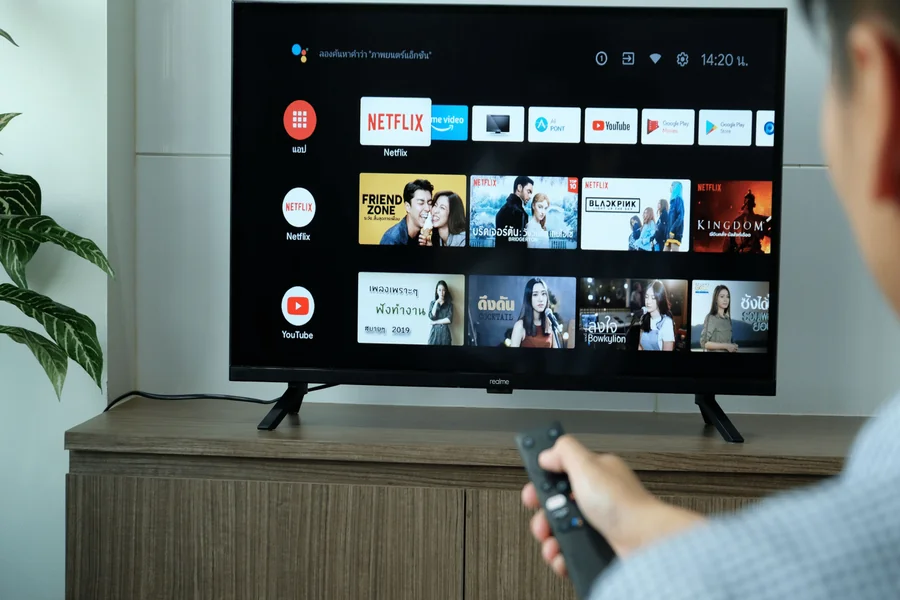
Streaming TV gives marketers the reach of television with many of the targeting and reporting capabilities associated with digital media. A thoughtful programmatic CTV strategy can help teams deliver ads to relevant audiences, but delivery alone does not prove that a campaign created value. Effective measurement starts by connecting exposure to the outcome that matters most, whether that is awareness, web engagement, qualified leads, purchases, or customer retention. The goal is not to fill a dashboard with every available metric. It is about using a focused set of signals to support better marketing decisions.
Why Streaming TV Measurement Needs a New Approach
Viewers now watch video across smart TVs, streaming devices, game consoles, mobile apps, and browsers. That fragmented viewing environment makes it difficult to rely on a single legacy television metric or on direct clicks alone. In Nielsen’s July 2026 report, streaming accounted for 49% of total TV usage, underscoring the importance of cross-platform measurement for modern media plans. Impressions tell you that an ad was delivered. They do not, by themselves, show whether the right people saw it, remembered it, visited a site, or became customers. Campaign reporting should separate media delivery from business impact while showing how the two may be connected.
Start With a Clear Campaign Goal
Measurement should follow the campaign objective. A brand-awareness effort needs different evidence than a lead-generation or sales campaign.
- Awareness: Prioritize unique reach, frequency, completed views, attention measures, and brand-lift studies when available.
- Consideration: Track branded search activity, website visits, product-page views, and engaged sessions.
- Lead generation: Focus on form submissions, calls, appointment requests, and lead quality.
- Sales: Measure online purchases, subscriptions, store activity where appropriate, revenue, and customer acquisition cost.
- Retention: Review repeat purchases, customer reactivation, and relevant app or account activity.
The Core Metrics to Track
Reach and Frequency
Unique reach estimates how many distinct people or households were exposed, while impressions count total ad deliveries. Frequency shows the average number of exposures per reached audience member. Some repetition can strengthen recall, but excessive frequency can create waste or creative fatigue. Compare planned and actual reach, then look for audience segments that were underexposed or overexposed.
Completion Rate and Viewing Time
Video completion rate measures the share of delivered ads that are watched to the end, according to the platform’s definition. It is useful, but a completed ad is not automatic proof of attention or persuasion. Review completion patterns by creative version, audience, device type, and placement to identify where a message is most likely to perform well.
Cost and Delivery Quality
CPM (cost per completed view) and cost per qualified visit can reveal important efficiency differences. However, the lowest-cost impression is not necessarily the best investment. Review invalid-traffic protections, brand-suitability controls, available viewability standards, and supply-path quality before deciding that cheaper inventory is better inventory.
Go Beyond Last-Click Attribution
A viewer may see a streaming TV ad, search for the brand later, visit from a phone, and purchase days afterward. Last-click attribution gives credit to the final recorded interaction, overlooking the contribution of earlier video exposure. First-touch and multi-touch models provide different perspectives, while media-mix modeling can examine broader relationships between spending and outcomes. Use view-through conversions carefully. They can be a helpful directional signal when the attribution window matches the buying cycle, but they are not conclusive proof that an ad caused a conversion. Teams should clearly distinguish correlation from causation and document how modeled results are calculated.
Use Incrementality to Test Real Lift
Incrementality testing compares outcomes for an exposed group with outcomes for a comparable control group. The difference can help estimate results that would not have occurred without the campaign.
- Define the audience, geography, and primary outcome before launch.
- Create an exposed group and a comparable control group.
- Measure the same conversion, revenue, visit, or lead outcome for both groups.
- Compare results while accounting for spend, reach, and frequency.
- Review outside influences such as seasonality, promotions, and changes in distribution.
Small sample sizes, uneven audience composition, and short test windows can weaken results. A useful test is designed to answer one practical decision, such as whether a market, audience, or creative approach deserves additional budget.
Connect Streaming TV With Other Channels
Streaming TV often works alongside search, paid social, display, audio, email, direct mail, and local media. Monitor changes in branded search, direct traffic, and assisted conversions after major video activity. Sequential messaging can also help: begin with a broad brand message, then serve a more detailed offer through another channel. Create shared naming rules for campaigns, audiences, creative versions, and reporting dates. Consistent labels make it easier to compare channels and reduce double-counting. When possible, use deduplicated reach reporting and ask measurement partners to explain how they match audiences across devices.
Measure Creative Performance, Not Just Media Delivery
Even strong targeting cannot rescue a confusing advertisement. Test variations in the opening seconds, offer, call to action, video length, visuals, and voiceover. Then compare outcomes by audience segment and viewing environment. QR scans, direct visits, branded searches, and response rates can indicate whether the creative is generating interest. Refresh ads when frequency rises while response signals decline. Keep the test structured by changing one or two major creative elements at a time, rather than replacing every component at once.
Build a Privacy-Safe Measurement Plan
Connected TV measurement can involve household, device, viewing, and conversion data. Favor aggregated reporting where it can answer the business question, limit access to sensitive data, and understand how partners collect, match, retain, and protect information. Consumer guidance on internet-connected TV privacy settings also reinforces that viewers may control advertising data collection and use.
Create a Practical Reporting Rhythm
- Daily: Check pacing, delivery errors, major frequency issues, and placement concerns.
- Weekly: Review reach, frequency, completion rate, cost trends, and creative performance.
- Monthly: Evaluate site behavior, lead quality, sales trends, and channel overlap.
- After the campaign: Assess incremental lift, revenue impact, customer acquisition cost, and lessons for the next plan.
Common Measurement Mistakes to Avoid
- Using impressions as the only definition of success.
- Comparing campaigns with different objectives as though they were identical.
- Ignoring household and audience overlap across platforms.
- Making major optimization decisions before enough data is available.
- Accepting modeled conversion figures without understanding the methodology.
- Failing to separate new-customer results from activity by existing customers.
Conclusion
The strongest streaming TV measurement plans connect delivery, viewing quality, audience response, and business value to provide a clearer picture of campaign performance. Start with a specific objective, then choose a manageable set of metrics that directly support that goal. Consider how viewers move between streaming platforms, websites, search, and other channels when evaluating results, as these interactions can influence how campaign impact is understood. Testing for incremental lift can help distinguish advertising-related outcomes from results that might have occurred anyway. Viewer privacy should also remain a priority through responsible data collection, appropriate consent practices, and secure reporting processes. Ultimately, a simple, consistent, and trusted measurement framework is more useful than a crowded dashboard filled with numbers that do not guide decisions. Regular reviews can help teams identify meaningful patterns, refine their approach, and make better-informed campaign adjustments over time.