
Why Comparing Energy Plans Every Year Could Cut Your Bill in Half
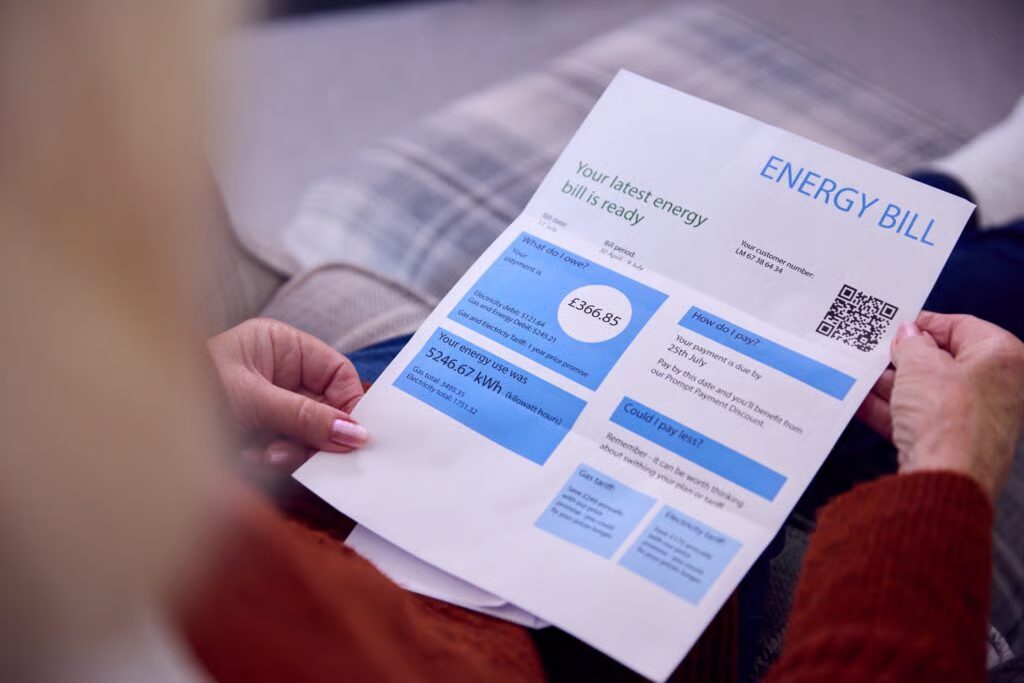
Every year, energy retailers adjust their rates, and most households only notice when the bill arrives. A plan that once felt competitive can slowly become one of the most expensive options on your account.
This shift rarely feels dramatic, which is why many Australians stay on outdated plans for years without realising it. The reality is that a quick check each year can change what you pay for electricity and gas.
What Energy Comparison Actually Means for Your Household
Energy comparison simply means checking your current electricity and gas rates against all other rates available in your area. You don’t need to switch for the sake of it; the goal is to confirm your plan still matches your household’s needs.
Retailers constantly introduce new offers, but they rarely move existing customers onto these better deals unless customers ask. That means loyalty alone may not protect your bill from rising over time.
Why Your Bill Can Rise Even When Your Usage Stays the Same
Network costs, wholesale prices, and government policies can shift throughout the year, and retailers regularly pass these changes on to customers. Your usage might stay the same, yet your bill can still increase because the underlying rates have changed.
Standing offers and older plans are usually the first to fall behind newer, more competitive pricing released later. Staying on one of these plans for multiple years often means paying considerably more than newer customers with the same retailer.
How Much Could Comparing Plans Actually Save You?
According to DE, households covered by the default market offer could save between $120 and $221 each year by switching to a median market offer instead. That gap can be wider for households that have never compared their plan against the most competitive offers on the market.
These figures change from year to year, so it’s worth confirming the latest numbers for your specific state and distributor. Even modest annual savings add up over several years.
What to Compare Beyond the Advertised Rate
The advertised rate on any plan rarely reflects the total amount you will pay each quarter.
Here’s what matters once you look past the headline number.
Check These Details Before You Switch
- Feed-in tariffs, especially if you already have solar panels installed at home
- Exit fees or early termination charges tied to your current contract
- Discount conditions, including pay-on-time requirements that catch many people out
- Contract length and what happens automatically once that term ends
Comparing these details takes a few extra minutes, but it helps you avoid choosing a plan that looks cheaper than it actually is.
Comparing Electricity and Gas Plans Together
Many households manage electricity and gas separately, even though bundling both through a single retailer can sometimes bring extra discounts. Comparing dual-fuel plans alongside standalone options gives you a clearer picture of where the genuine savings may be.
It’s worth checking whether a combined plan truly costs less than choosing the cheapest electricity and gas deals separately. In some cases, splitting your electricity and gas between two different retailers can still be the more affordable option overall.
Making Comparison Part of Your Yearly Routine
Setting a reminder once a year to check your plan turns comparison into a habit rather than an occasional afterthought. Many households find it easiest to compare plans around the time their electricity or gas contract naturally renews.
Using a comparison service can speed this up, since it pulls together current offers from multiple retailers at once. This removes much of the guesswork involved in manually checking each individual retailer’s website for updated pricing.
FAQs
Will Switching Interrupt My Electricity or Gas Supply?
No. Switching retailers does not interrupt your electricity or gas supply, because the same distributor keeps delivering power to your property. Only the name on your bill changes once the new retailer takes over your account.
How Often Should I Compare My Energy Plan?
Comparing your plan once a year is generally enough to catch most rate increases before they affect your budget. Households that have solar panels or unusual usage patterns may benefit from checking more frequently.
Is Comparing Energy Plans Actually Free?
Yes. Comparing plans through a service like Deal Expert costs nothing, since providers pay a fee once you switch through them. You never pay anything extra for using the comparison service itself.
Does My Postcode Affect How Much I Could Save?
Yes. Savings vary between states and even between different distribution areas within the same city or region. Households in areas with higher default market offers generally have more room to save by switching to a better plan.
The Bottom Line
Comparing your energy plan every year takes little time, yet it can meaningfully reduce what you pay for electricity and gas.
Making this a regular habit helps protect your household from drifting onto one of the most expensive plans on the market. A single comparison each year is a small effort that can pay for itself many times over.