
How to Mix Transitional and Modern Styles in Draper Homes for a Balanced Look
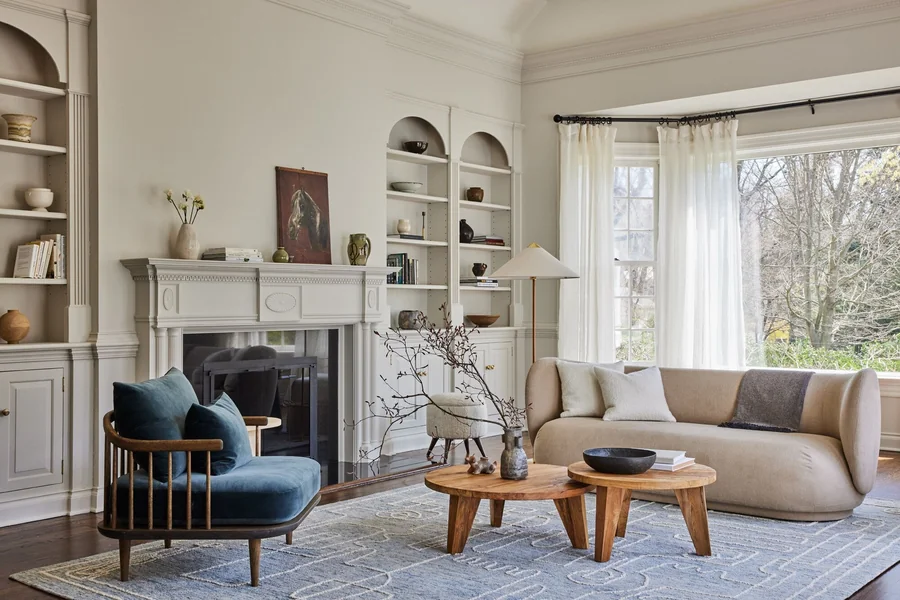
Draper is a city where timeless design and fresh, contemporary architecture meet in some of Utah’s most beautiful neighborhoods. New developments blend clean structural lines with warm, welcoming interiors, making it the perfect place for homeowners who love both transitional and modern styles. Yet combining the two can be tricky. Too many modern elements can leave a home feeling cold, while too much transitional styling can make spaces look heavy or overly traditional. When done correctly, however, blending these aesthetics results in a home that feels sophisticated, inviting, and effortlessly balanced.
Furnishing a Draper home with this mix requires a thoughtful approach—one that considers architecture, materials, proportion, and texture. Whether you’ve just moved into a new build or are updating a long-loved space, mastering this combination will give your home a polished look that reflects Draper’s elevated yet relaxed lifestyle.
Start by Understanding the Foundations of Each Style
Before mixing styles, it helps to understand their defining characteristics. Transitional design is all about marrying the classic comfort of traditional elements with the streamlined simplicity of modern aesthetics. It incorporates soft curves, warm woods, neutral colors, and a sense of familiarity. Modern style, by contrast, leans on clean edges, open space, minimal ornamentation, and a focus on functionality.
Draper’s architecture lends itself to both: large windows, open floor plans, and contemporary materials offer a modern framework, while mountain views, natural light, and neutral color palettes set the stage for the warmth of transitional pieces. Recognizing the strengths of both styles allows you to blend them without one overpowering the other.
Use a Modern Architectural Base With Transitional Furnishings
Many Draper homes, especially in areas like SunCrest and Corner Canyon, feature sleek lines, expansive living areas, and high ceilings. These bones naturally support a modern aesthetic. Instead of fighting this structure, work with it.
You can keep the architecture modern—wide casings, simple railings, and streamlined cabinetry—while bringing in transitional comfort through furniture. Think plush couches, upholstered dining chairs, soft rugs, and warm wood tones that add depth without clutter. Transitional furnishings soften the sharper edges of modern homes while ensuring the overall structure still feels clean and contemporary.
Create Balance Through Proportion and Scale
One of the most overlooked elements when mixing styles is proportion. Modern furniture tends to be lower, slimmer, and more linear. Transitional furniture often features deeper seating, fuller silhouettes, and more visual weight. If everything in your home is sleek and low-profile, the space may look stark. If everything is oversized or heavily cushioned, it loses the crispness that modern design brings.
The key is to alternate. A modern coffee table can sit beautifully alongside a generously cushioned transitional sofa. A more traditional dining table can pair well with minimalist dining chairs. Mixing silhouettes creates a layered look that feels cohesive rather than chaotic.
Keep a Unified Color Palette to Tie Both Styles Together
One of the easiest ways to blend modern and transitional design is through color. Both styles gravitate toward neutrals, which makes this merging process more natural. Soft grays, warm taupes, deep browns, crisp whites, and muted earth tones work well across Draper homes because they harmonize with natural light and the surrounding mountain landscape.
Choosing one dominant palette and sticking to it allows you to incorporate a wide variety of furniture shapes and textures without the room feeling disjointed. Transitional patterns—such as subtle stripes or geometric prints—can coexist peacefully alongside modern, solid-toned pieces when the colors complement each other.
Layer Textures to Add Warmth Without Losing Structure
Texture brings the transitional warmth Draper homeowners love, while modern elements maintain structure and simplicity. When the two meet, rooms feel complete and luxurious. Incorporate a mix of textures such as smooth leather, nubby fabrics, brushed metals, natural woven baskets, and refined wood finishes. These variations add richness to a space without overwhelming the clean lines that modern design demands.
Even something as small as a throw blanket or a textured rug can bridge the gap between sleek surfaces and cozy softness. Draper homes often benefit from this layered approach because it enhances visual interest without adding clutter.
Use Statement Pieces Thoughtfully
Homes that successfully combine transitional and modern styles often include one or two standout pieces that anchor the look. This may be a striking modern light fixture above a more traditional dining table, or a deeply cushioned transitional sofa sitting across from a minimalist fireplace. Draper homeowners can take advantage of open layouts by letting one large statement piece set the tone while supporting elements blend seamlessly around it.
The key is restraint—too many statement pieces compete with each other. Choosing one hero item per room helps maintain balance and prevents the design from becoming overwhelming.
Choose Furniture With Clean Lines and Soft Edges
If transitional design is comfortable and modern design is crisp, the perfect blend lies somewhere in the middle. Look for furniture that features clean lines but has gentle curves or soft materials. A sofa with straight arms but cushioned seats, a dining table with a smooth silhouette and warm wood grain, or a bed frame with a simple profile soft-framed by upholstered texture—these hybrid pieces naturally incorporate both styles.
RC Willey offers a range of furniture options that sit perfectly in this middle ground, giving Draper homeowners a curated selection ideal for layering design styles in a harmonious way.
Avoid Overdecorating to Preserve Modern Simplicity
Transitional style traditionally loves accessories—lamps, vases, framed art, textiles—but too many pieces can undermine the modern clarity Draper homes are known for. A balanced space requires intentional décor. Keep surfaces clean, choose accessories that serve a purpose, and prioritize a few meaningful items over many small ones.
This approach allows modern minimalism to shine while still providing the warmth and personality that transitional rooms offer. Draper’s natural scenery also provides visual richness Boredflix, which means homes can lean on their surroundings instead of relying heavily on interior decoration.
Why Draper Residents Turn to RC Willey
When mixing two design styles, having access to the right pieces makes an enormous difference. RC Willey offers both transitional and modern furniture selections that work beautifully in Draper’s architecture, making it easier to create a cohesive, layered look. Their team also understands how to help homeowners choose items that complement Utah’s evolving home trends, lifestyle demands, and layout styles.
Visiting a knowledgeable furniture store in Draper ensures you can see, compare, and coordinate pieces that meet the balance you’re aiming for—without guessing how they’ll look together in your home.
Final Thoughts
Blending transitional and modern styles isn’t about choosing one over the other—it’s about allowing both to coexist in a way that brings comfort, sophistication, and timeless beauty to your Draper home. By focusing on proportion, color, texture, and thoughtful layering, you can create a polished, balanced environment that feels both current and inviting. With the right pieces from RC Willey, the process becomes even easier, offering you a home that reflects everything you love about both styles without sacrificing function or elegance.