
How Agile Development Transforms Digital Product Delivery
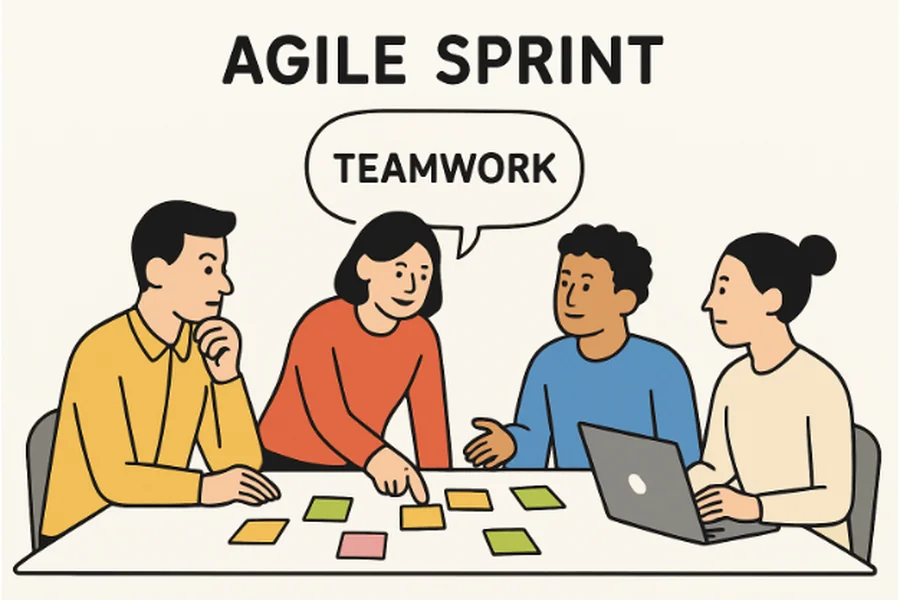
Agile development has fundamentally transformed the landscape of digital product delivery, prioritizing customer needs and adaptable teamwork at its core. Modern teams increasingly leverage Agile to break down silos, speed up release cycles, and align closely with end-user requirements—giving organizations a significant edge, especially when supported by global models like nearshore software development. This practice fosters consistent communication, faster feedback loops, and swift adaptation to change, all of which are essential for businesses striving to flourish in dynamic digital markets.
The shift away from rigid, sequential development models to Agile’s iterative, incremental approach has given rise to more resilient and creative project teams. By emphasizing early customer involvement and the frequent delivery of functional software, Agile methodologies empower cross-functional teams to experiment, learn, and innovate more quickly than ever before. The rapid pace of technological advancement requires organizations to adopt methods that prioritize flexibility, support quick pivots, and consistently deliver value.
Introduction to Agile Development
Agile development represents a movement away from static project plans and hierarchical communication, focusing instead on adaptive cycles and rapid iteration. Instead of completing a digital product in large, predefined stages before launching to users, Agile teams work in short cycles. After each cycle—called an iteration or sprint—delivery teams review what they’ve built, gather feedback, and adjust priorities for the next round of development. This shift has been crucial for industries where user needs and technology can evolve overnight.
Through its core principles, Agile development strives to ensure that each increment delivered provides tangible, incremental value to customers. Teams are encouraged to experiment, adapt to unforeseen challenges, and maintain a continuous dialogue with stakeholders, which results in products that are better aligned with real-world requirements.
Core Principles of Agile
Guided by the Agile Manifesto, Agile development is rooted in a set of foundational principles:
- Individuals and interactions over processes and tools.
- Working software over comprehensive documentation.
- Customer collaboration over contract negotiation.
- Responding to change by following a plan.
These tenets drive a culture of empowerment and trust, supporting better communication and more creative, effective problem-solving. Agile encourages teams to view change as an opportunity rather than a disruption, thereby increasing their ability to delight customers and differentiate their products in competitive markets.
Benefits of Agile in Digital Product Delivery
- Enhanced Flexibility: Agile’s iterative cycles enable teams to quickly refine their approach based on new insights, market shifts, or technological changes, ensuring products remain relevant.
- Improved Collaboration: Team members from various disciplines work together daily, breaking down barriers between functions and sparking greater creativity.
- Faster Time-to-Market: By delivering updates in small increments, organizations can launch new features more frequently and respond to customer feedback promptly, staying ahead of their competitors.
- Increased Customer Satisfaction: Real-time feedback loops help teams adjust their course regularly—ensuring the final product aligns with what users actually want.
Agile’s continuous delivery model makes updates predictable and manageable for both internal teams and end users, removing the stress and risk associated with large-scale, infrequent deployments.
Agile Methodologies and Frameworks
While Agile is a broad philosophy, several frameworks bring its principles to life:
- Scrum: This method is built around defined roles (such as Product Owner, Scrum Master, and Developers), structured meetings, and short, time-boxed periods of work called sprints. The result is highly focused cycles and continual team alignment.
- Kanban: Rather than set timeframes, Kanban emphasizes visualizing work as it moves through various stages. Teams track progress on boards, focusing on flow and ongoing delivery without the need for strict deadlines.
- Lean Software Development: Adapted from lean manufacturing, Lean aims to reduce waste and maximize value by focusing only on essential work and continuous process improvement.
Most organizations tailor these frameworks according to their culture and needs, often blending elements to create hybrid models that strike the right balance between structure and flexibility.
Challenges in Implementing Agile
- Resistance to Change: Shifting mindsets and organizational culture from traditional models to Agile can encounter internal resistance, especially among team members accustomed to rigid hierarchies and detailed project plans.
- Scaling Agile: As Agile expands beyond single teams to larger organizations, maintaining alignment, transparency, and shared purpose becomes more complex. Frameworks like SAFe and LeSS have emerged to help tackle this challenge, but success relies on ongoing leadership support and clear communication.
- Maintaining Quality: Rapid delivery must be paired with robust quality assurance practices to prevent defects from being introduced. Automated testing, robust code review, and effective technical debt management are essential for achieving sustainable agility.
It’s essential for leadership to invest in training, facilitate frequent open dialogue, and support iterative learning to overcome these roadblocks and embed Agile deep within the organization’s DNA.
Future Trends in Agile Development
- Integration with AI: Teams are beginning to employ artificial intelligence to handle repetitive tasks, analyze user feedback, and streamline project tracking—ushering in a new era of data-driven Agile.
- Agile Beyond IT: Agile practices are being adopted in departments such as marketing, finance, and healthcare, where iterative project delivery and adaptability lead to measurable improvements.
- Hybrid Models: Some organizations combine Agile frameworks with traditional approaches (like Waterfall) to suit complex initiatives, regulatory constraints, or unique customer demands, ensuring the benefits of both flexibility and structure.
As Agile continues to evolve, it’s expected to become even more deeply embedded across organizations and industries, driving innovation and sustained growth.
Final Thoughts
The Agile approach has reshaped digital product development, enabling organizations to thrive in a constantly changing environment. By focusing on flexibility, teamwork, and rapid learning, Agile empowers teams to innovate more quickly, mitigate risk, and consistently exceed customer expectations. As the digital landscape continues to grow increasingly complex, embracing Agile principles will be essential for delivering high-quality, competitive products that consistently meet dynamic business objectives.