
Designing a Minimalist Wedding Album: Less Clutter, More Meaning
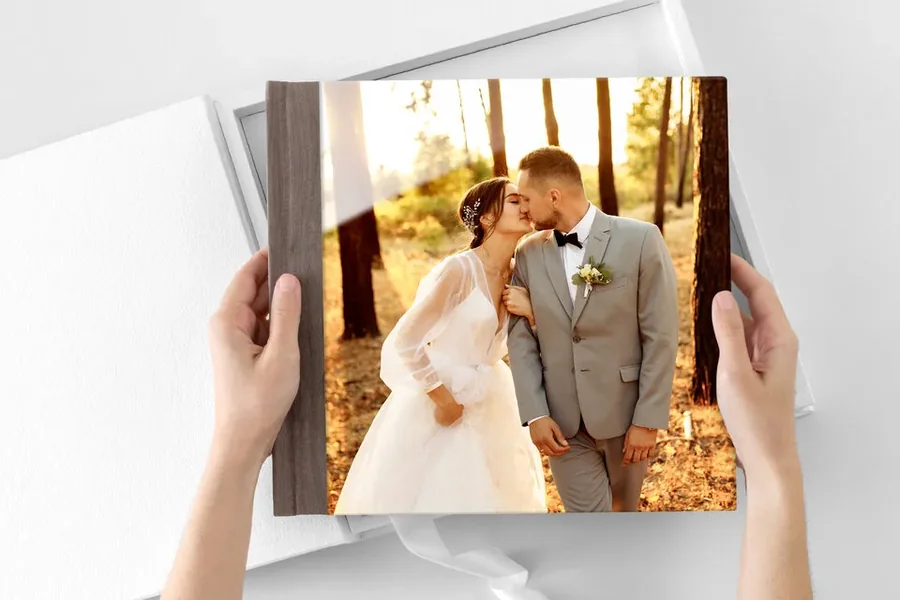
When it comes to preserving memories from your big day, less really can be more. In the age of unlimited cloud storage and thousands of photos snapped in one afternoon, curating a minimalist wedding album might seem counterintuitive. But the truth is, when you strip away the excess, what you’re left with is something far more meaningful.
A minimalist wedding album isn’t about having fewer photos for the sake of it—it’s about being intentional with the ones you choose. If you’re overwhelmed trying to narrow down your wedding images or wondering how to make your album feel cohesive and timeless, you’re in the right place.
Let’s walk through how to approach minimalist album design that tells your story clearly, elegantly, and with emotion.
What Is a Minimalist Wedding Album?
Minimalism in album design focuses on simplicity, clarity, and meaning. Instead of trying to fit every single photo from your wedding into one book, a minimalist approach encourages you to choose only the most essential images—those that tell the story, evoke emotion, and deserve to be remembered.
A minimalist wedding album typically has:
- Clean layouts with plenty of white space
- A cohesive color palette or aesthetic
- High-quality materials and printing
- Thoughtful sequencing so every image contributes to the narrative
It’s not necessarily sparse—it’s just thoughtful.
Why Less Can Mean More in Album Design
At first, it might feel wrong to leave out so many good photos. But focusing on meaningful images can actually increase the emotional impact of your album.
Here’s why less clutter leads to more meaning:
- Visual breathing room lets your photos shine. Without overwhelming page layouts, your eye can settle on each image long enough to fully appreciate it.
- Intentional storytelling becomes easier. You’re not trying to tell every story—just the right one.
- Timeless design ages well. Clean, pared-down styles remain elegant over time, while trend-heavy designs may quickly feel dated.
In short, just because you can include everything doesn’t mean you should.
Choosing the Right Photos for a Minimalist Album
This step is often the hardest—but it’s where the magic happens. The goal isn’t to capture everything; it’s to highlight what’s most meaningful.
Ask yourself:
- Does this photo tell a part of the story?
- Is it emotionally significant or simply beautiful?
- Do we really need 12 cake-cutting shots?
It can help to start broad and then narrow down. Begin by selecting your top 100 or 150 favorites, then trim down to the most powerful 50-70 images.
Prioritize:
- Key moments: like the first look, vows, and first dance
- Emotional expressions: laughter, tears, joy
- Details that matter: outfits, rings, venue shots—only if they carry significance
- People you love: focus on connection, not crowd coverage
Avoid repetition unless each variation offers a new perspective or emotional tone.
Designing the Layout: Keep It Clean, Not Empty
Once you’ve selected the images, the next step is layout—and this is where minimalism truly comes to life.
A minimalist layout doesn’t mean throwing a single photo on a page and calling it done. It’s a deliberate balance between space, structure, and symbolism. Here’s what to keep in mind:
Use White Space Wisely
White space isn’t wasted space—it gives each image room to breathe. It draws focus and creates a visual rhythm. Don’t feel the pressure to fill every inch of the page.
Try limiting pages to:
- One standout image across a full spread
- Two to four images per page at most
Be Consistent with Layouts
A consistent grid or pattern helps your album feel intentional and polished. Varying layout styles from page to page can feel chaotic, especially in a minimalist setting.
You can still introduce variation—but do it with purpose. For example:
- Use full-bleed images intentionally to emphasize major moments
- Keep similar margins and spacing throughout
Consider the Flow and Narrative
Think of your album as a storybook. One photo should lead naturally to the next. Pace your visual narrative so it mirrors the emotional arc of your day—from anticipation to celebration.
Strategic photo placement can subtly enhance this experience. For example:
- Start with quiet, detail-rich moments during prep
- Build toward high-energy sequences during the ceremony and reception
- End with a calm, reflective photo—perhaps a sunset scene or final dance
Choosing the Right Album Material and Format
In a minimalist design, materials matter more than ever. With fewer distractions, the quality of each element becomes more noticeable.
Look for:
- Simple, elegant covers: Linen, leather, or matte finishes often work well
- Neutral tones: Whites, blacks, creams, and soft grays keep the focus on the content inside
- Flush mount pages: These offer durability and lay-flat spreads for cleaner presentation
Whether you’re designing your own or working with a professional, consider partnering with high-quality printers or vendors who specialize in clean, design-forward albums. Avoid novelty extras like metallic pages or chaotic backgrounds—they quickly disrupt the minimalist vibe.
For a good example of an elegant, keepsake approach to album design, you might want to explore this wedding photo album resource.
Personal Touches That Still Fit the Minimalist Aesthetic
Minimalism doesn’t mean stripping out personality. There’s still room for meaningful touches—you just need to be intentional.
Here are a few subtle yet powerful ways to add your unique voice:
- Captions or quotes: A short line of text can enhance context or emotion. Keep fonts clean and small.
- Chronological markers: Using date stamps or short headings like “Ceremony” or “Reception” keeps things organized without overloading the page.
- End notes or vows: Including a typed version of your vows or a closing thank-you can bring warmth and closure.
The key is restraint. If the words or design elements enhance the album’s emotional clarity, they belong. If they are distracting, consider letting the images speak for themselves.
Minimalist Album Design for Small Weddings or Elopements
If you had an intimate wedding or elopement, minimalist albums are especially effective. When your guest list was small and your day was centered more around quiet moments than grand events, a streamlined album conveys that feeling beautifully.
Rather than trying to bulk up your album with filler images, embrace the space. Let fewer images tell a fuller, deeper story.
With small weddings:
- Focus heavily on portraits, both candid and posed
- Amplify sensory details – food, landscapes, lighting
- Consider handwritten notes or reflections alongside the photos
Minimalism helps keep the tone pure and focused, especially for quieter celebrations.
Conclusion: Simplicity That Lasts
Designing a minimalist wedding album is about more than style—it’s about substance. By removing the clutter, you’re making space for what really matters: your story, your emotions, the people you love.
It may feel strange at first to leave so much out, but you’ll be surprised by how powerful a focused collection of images can be. Whether your wedding was elaborate or intimate, the same principle applies: the best albums are the ones that feel true to you.
So take a breath, start small, and design something that’s not just a photo book—but a beautiful, intentional keepsake.
If you’re ready to begin, start curating today. Look for the images that take you back. Honor quality over quantity. Your minimalist album will thank you for it