
Your Guide to Building Expertise in Family-Focused Healthcare Practice
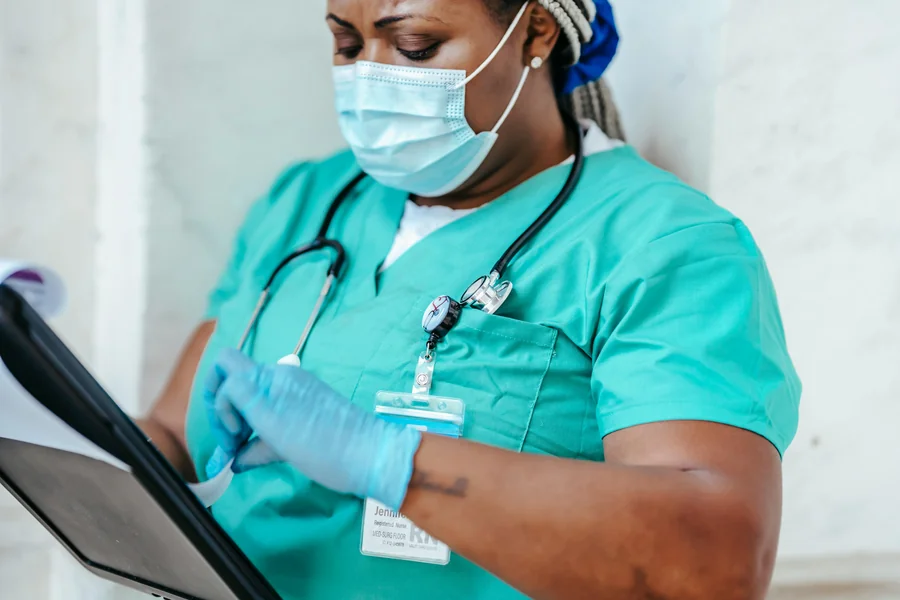
Healthcare is changing fast, and expectations are higher than ever. Patients want care that feels consistent, informed, and focused on long-term well-being rather than quick fixes. This shift has made broad, patient-centered clinical skills more important across many healthcare settings.
For nurses, building this level of expertise requires structured education and hands-on learning. Advanced preparation helps professionals move into roles where they can guide care decisions, support prevention, and respond confidently to complex health needs in everyday practice.
This article serves as your guide to building expertise in family-focused healthcare practice.
Defining Family-Focused Healthcare in Today’s Clinical Settings
This style of care emphasizes continuity and long-term health management. Providers work with patients across different stages of life, allowing for better understanding of medical history and ongoing needs. This approach supports early detection, preventive care, and stronger patient relationships. It also helps reduce gaps in treatment by ensuring care remains consistent, even as health concerns change over time. In many primary and community-based settings, this model plays a key role in improving outcomes and patient trust.
Advancing Clinical Expertise Through Graduate Nursing Pathways
As healthcare systems grow more complex, nurses often seek education that expands their clinical role. Graduate study supports deeper knowledge in assessment, diagnosis, and treatment planning. This training helps nurses move beyond routine tasks and participate more actively in care decisions. With advanced preparation, they gain confidence managing diverse patient needs and coordinating care across settings. Education becomes a pathway not just to new credentials, but to greater responsibility and impact.
Enrolling in
Exploring RN to FNP programs online, such as those offered at William Paterson University, opens doors to new possibilities and better career pathways for nurses. These programs are built to support growth in family-focused healthcare. The curriculum focuses on advanced practice skills, evidence-based care, and real-world clinical preparation. Its flexible format allows working nurses to continue serving patients while developing the expertise needed for expanded clinical roles.
Developing Lifespan-Based Clinical Knowledge
Providing care across age groups requires understanding how health needs change over time. From preventive screenings to managing ongoing conditions, clinicians must adapt their approach as patients age. This knowledge supports safer treatment choices and better communication. It also helps providers recognize early warning signs and respond before issues become severe. Lifespan-based training strengthens clinical judgment and supports consistent, high-quality care.
Integrating Holistic and Preventive Care Approaches
Modern healthcare places strong emphasis on prevention and whole-person care. This includes addressing lifestyle factors, mental well-being, and physical health together. Providers guide patients on daily habits, monitor risks early, and support long-term wellness goals. A holistic approach reduces avoidable complications and encourages patients to take an active role in their health. Over time, this leads to better outcomes and stronger engagement.
Strengthening Community Health Through Patient-Centered Practice
Healthcare professionals play an important role beyond individual appointments. By understanding the needs of the communities they serve, they can deliver care that feels relevant and accessible. Patient-centered practice focuses on listening, trust, and clear communication. When providers are aware of social and cultural factors, they can remove barriers to care and encourage follow-up. This approach improves engagement and helps patients feel supported, leading to better health outcomes across community settings.
Leadership and Decision-Making in Primary Care Environments
Advanced clinical roles require strong decision-making skills. Providers must assess symptoms, review patient history, and choose appropriate treatment plans with confidence. Leadership in primary care also involves coordinating with other professionals and guiding patients through care options. These responsibilities demand clear judgment and accountability. With proper preparation, clinicians become reliable leaders who support safe, effective care while maintaining high professional standards in fast-paced healthcare environments.
Balancing Professional Growth with Flexible Learning Models
Many healthcare professionals continue working while advancing their education. Flexible learning models make this possible by allowing students to study without stepping away from their careers. Online coursework and structured schedules help balance work, education, and personal responsibilities. This flexibility supports steady professional growth while maintaining clinical experience. Over time, this balance allows practitioners to apply new knowledge directly to their work, strengthening skills and confidence in real settings.
Preparing for the Future of Family-Focused Healthcare Practice
Healthcare demands continue to evolve due to aging populations and rising chronic conditions. Providers must be ready to manage long-term care needs while maintaining quality and efficiency. Family-focused practice supports continuity and prevention, helping patients manage health over time. Ongoing education ensures professionals stay current with clinical standards and patient expectations. This preparation helps clinicians adapt to change and deliver consistent care in dynamic healthcare systems.
Building expertise in family-focused healthcare practice requires commitment, education, and adaptability. Advanced preparation allows nurses to take on greater responsibility, support preventive care, and lead with confidence. Through patient-centered approaches and continued learning, healthcare professionals strengthen outcomes for individuals and communities alike.