
The Difference Between Adventure and Avoidable Risk in Remote Travel
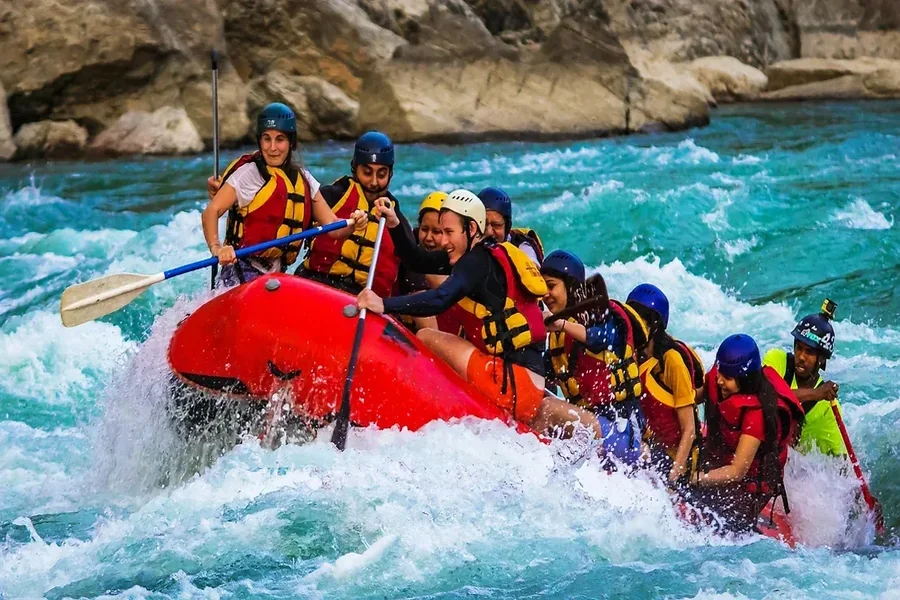
Remote travel promises freedom, discovery, and experiences far from familiar routines, but it also demands clearer judgment than many people expect. The difference between meaningful adventure and avoidable risk often comes down to awareness, not bravery.
As access to remote places becomes easier, the responsibility to understand them becomes greater. What feels spontaneous or bold can quickly turn fragile without preparation and respect for limits. The real question is whether risk is being chosen with intention or simply inherited through assumptions.
Why the Line Between Adventure and Risk Isn’t Always Clear
Remote travel has become more accessible, but access doesn’t always come with understanding. Many destinations feel wild and untouched, yet they sit in environments that demand experience and respect.
Stories and images often highlight the thrill while skipping the preparation that made the journey possible. That gap can make risky decisions seem normal, even expected.
Adventure naturally involves uncertainty, but not all uncertainty is created equal. Some risks come from nature itself, while others come from choices travelers make long before they leave. When preparation is invisible, it’s easy to assume that danger is simply part of the experience. The real challenge is recognizing which risks add meaning and which ones add nothing but danger.
What Real Adventure Actually Looks Like
True adventure isn’t about ignoring danger. It’s about engaging with it thoughtfully. It means stepping into unfamiliar places while understanding what those places demand physically and mentally.
Preparation doesn’t eliminate excitement, it creates room for it by reducing unnecessary stress. Without that foundation, even simple challenges can spiral quickly.
Adventure also involves curiosity and humility, not just courage. Travelers who respect uncertainty tend to notice more, learn more, and adapt faster. They’re willing to ask themselves mid-journey whether conditions still match expectations. That willingness to reassess is often what keeps an experience adventurous instead of reckless.
When Risk Stops Being Part of the Experience
Risk becomes avoidable when it’s created by ignoring known information. Skipping weather checks, dismissing local advice, or pushing far beyond one’s skill level adds danger without adding value.
At that point, the experience isn’t deeper or more authentic, it’s simply more fragile. Many emergencies fall into this category, even if they don’t feel that way at the time.
There’s a persistent myth that struggle equals meaning, but unnecessary struggle often limits exploration instead of enhancing it. Choosing to proceed despite clear warning signs doesn’t make a journey braver. It often narrows options and forces reactive decisions later. Avoidable risk is less about chance and more about choice.
Preparation is the Difference Between Confidence and Carelessness
Preparation rarely looks exciting, but it quietly shapes every good decision on the road. Understanding terrain, distances, weather patterns, and seasonal changes sets realistic expectations.
When plans align with skills and fitness levels, travelers move with confidence instead of constant doubt. That confidence isn’t loud, but it’s steady.
Good preparation also includes planning for things not going perfectly. What happens if a route is blocked, a storm arrives early, or energy runs low? Having alternatives doesn’t mean expecting failure. It means respecting complexity. That mindset keeps small setbacks from turning into serious problems.
Carrying What Actually Matters
Safety in remote travel often comes down to what you have with you and how well you know how to use it. Essentials should support navigation, communication, shelter, hydration, and basic medical needs without adding unnecessary weight or complexity.
Carrying tools that serve multiple purposes helps keep decisions simple under pressure. The goal isn’t to be over-equipped, but to be ready for predictable problems.
Preparedness also means accessibility, not just ownership. Gear packed deep and forgotten is far less useful when conditions change quickly, which is why items meant for immediate access, whether navigation tools, emergency signaling, or a properly fitted waistband holster, should be positioned where they can be reached without hesitation.
When equipment is familiar and thoughtfully chosen, it supports calm decision-making rather than becoming another variable to manage.
Technology Helps, But It Can’t Think for You
Modern tools make remote travel safer, but they don’t replace judgment. Navigation devices, weather forecasts, and communication tools offer valuable information, not guarantees.
When people rely on them without understanding their limits, technology can quietly increase risk. Batteries drain, signals disappear, and conditions change faster than screens update.
Basic skills still matter when tools fail or mislead. Knowing how to read terrain, track direction, or manage limited resources creates resilience. Technology should support decision-making, not override it. When travelers treat tools as backups instead of lifelines, they tend to make calmer, smarter choices.
Learning to Read the Environment Before It Forces a Lesson
Remote environments communicate constantly, but only if you know what to watch for. Shifting clouds, sudden temperature drops, or changes in wind often signal what’s coming next.
Ignoring those cues doesn’t stop the consequences, it only delays them. Awareness allows for adjustment before conditions become unmanageable.
Water availability, exposure, and wildlife presence also shape safety more than many expect. These factors don’t adapt to travelers’ plans or timelines. Recognizing limits early often feels inconvenient, but it prevents far bigger disruptions later. Respecting the environment is less about fear and more about realism.
Knowing Your Limits Isn’t Weakness
Fatigue and dehydration rarely announce themselves dramatically at first. They creep in quietly, affecting judgment before they affect movement. Pushing through in those moments can feel determined, but it often leads to poor decisions. Knowing when to slow down or stop is a skill developed through experience.
Turning back doesn’t erase effort or intention. It preserves the ability to try again under better conditions. Experienced travelers understand that limits shift daily based on weather, health, and terrain. Listening to those limits keeps adventure sustainable rather than costly.
Solo Trips, Group Trips, and Shared Responsibility
Group travel introduces its own kind of risk through social dynamics. People may hesitate to voice concerns or suggest changing plans, especially when momentum builds. That pressure can lead groups to take risks individuals might avoid alone. Shared responsibility only works when communication stays open.
Solo travel removes group pressure but increases personal accountability. Decisions carry heavier consequences when there’s no one to offset mistakes. Clear planning and conservative choices matter even more in those situations. Whether alone or with others, responsibility doesn’t disappear, it just shifts form.
The Ripple Effects of Avoidable Risk
Avoidable risk rarely affects only the person taking it. Rescue operations, local communities, and fragile environments often absorb the consequences. These incidents can strain resources and lead to restrictions that impact future travelers. What feels like a personal decision can quickly become a shared burden.
There’s also a long-term cost to travelers themselves. Close calls change confidence, not always in healthy ways. Some experiences leave lessons, others leave limitations. Choosing restraint when it matters protects not just the trip, but future opportunities as well.
Conclusion
Adventure doesn’t lose its value when approached carefully, it gains depth and longevity. The most rewarding journeys balance curiosity with responsibility, allowing travelers to stay engaged rather than reactive. Avoidable risk rarely adds insight, but it often narrows choices and shortens experiences.
When decisions are grounded in preparation, awareness, and respect for uncertainty, travel remains challenging without becoming reckless. Isn’t that balance what makes remote travel worth pursuing in the first place?