
Foot and Ankle Wound Care: Best Practices for Faster Healing at Christopher Sakowski, MD
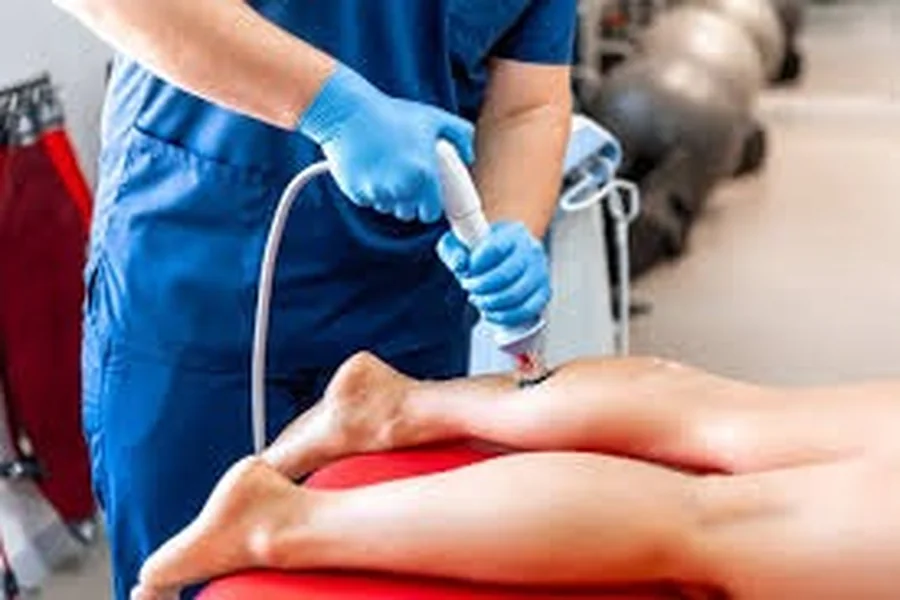
Foot and ankle wounds—whether they arise from everyday injuries, chronic conditions like ulcers, or post-surgical sites—require careful attention for optimal recovery. Wound care in this region is particularly challenging due to the weight-bearing function of the lower extremities and the limited blood supply at the distal ends of the limbs. When wounds do not heal properly, there is an increased risk of infection, prolonged disability, and serious complications, especially for individuals with underlying health concerns such as diabetes. We will explore essential strategies that support efficient healing, appropriate clinical and at‑home care techniques, and considerations that can significantly influence outcomes for patients under the care of Christopher Sakowski, MD, and his team in Dallas, Texas.
Understanding Foot and Ankle Wounds and Their Healing Process
Proper foot and ankle wound care begins with a firm grasp of the body’s natural healing mechanisms and the types of wounds that commonly affect this region. The body’s healing process generally unfolds in phases—initial inflammation, followed by the formation of new tissue, and finally tissue remodeling, where strength and structure are gradually restored to the injured area. Inflammation is a protective response that brings immune cells and nutrients to the area, but excessive inflammation can delay healing. During tissue formation, new cells proliferate to cover the wound, and in the final stage, the tissue gains strength and gradually resembles its original form.
This process can be significantly impacted by factors such as circulation, systemic health, and external stress on the wound site. In the context of foot and ankle care, wounds may include minor cuts or scrapes, deep surgical incisions, diabetic foot ulcers, pressure sores, and wounds associated with poor blood flow or nerve damage. Conditions like diabetic ulcers—caused by long‑term elevated blood sugar levels that damage nerves and restrict circulation—pose unique challenges, often requiring much more attentive and structured care to prevent complications such as infection or tissue death. Patients under the care of Christopher Sakowski, MD of Dallas benefit from tailored treatment plans that address these complexities and support safer, more effective healing.
The first step in addressing any wound is a thorough assessment by a clinician. This involves evaluating the wound’s size, depth, surrounding tissue, signs of infection, and overall vascular and nerve status of the affected limb. For instance, a simple superficial wound may require routine cleaning and protective dressing changes. In contrast, a chronic ulcer may necessitate an extensive care plan that includes pressure offloading and advanced therapies. Clinicians often classify wounds by severity and underlying causes, which directly influence the care plan and expected healing timeline. Without an accurate diagnosis and tailored care plan, wounds can deteriorate, increasing the risk of complications such as cellulitis or deeper infections that may extend into bone.
Clinical Interventions and Strategies for Optimal Wound Care
Once a wound has been properly assessed, a clinical care plan that aligns with the wound’s severity and the patient’s overall health status becomes paramount. In a medical setting, the clinician’s approach typically begins with thorough wound cleaning to remove debris and reduce the bacterial load. For more complex or chronic wounds, advanced interventions may be necessary. These can include biologically engineered skin substitutes that provide a scaffold for new tissue growth; therapies that enhance oxygen delivery, such as hyperbaric oxygen therapy; treatments using growth factors to accelerate repair; or surgical debridement to remove dead or infected tissue. In cases of wounds with impaired blood flow, procedures to improve circulation may be recommended, as adequate oxygen and nutrient delivery are essential for healing.
Another cornerstone of wound management in the foot and ankle region is offloading—reducing pressure on the wound site to prevent further trauma and support tissue regrowth. Offloading strategies may include custom footwear, therapeutic boots, crutches, or other devices that limit weight-bearing. In individuals with diabetes or peripheral artery disease, these measures are often necessary to avoid wound enlargement or breakdown. Throughout the clinical care process, diligent infection control practices are emphasized; these may include topical or systemic antibiotics, depending on the presence of infection. Coordinated care is critical, as wounds often do not exist in isolation. Vascular specialists, endocrinologists, and physical therapists may contribute to a comprehensive plan that ensures not only wound care but also the management of underlying health conditions that can impede healing.
Effective foot and ankle wound care integrates accurate clinical assessment, tailored treatment strategies, and diligent at‑home practices, all supported by a structured follow‑up plan. Regardless of the wound’s origin—whether a minor injury, chronic ulcer, or post‑surgical site—the approach must be comprehensive, attentive, and adaptive to individual needs. Patients who actively engage in their wound care, remain vigilant for signs of complications, and follow recommended lifestyle and health management strategies often experience a smoother healing process and a reduced risk of recurrence. With proper guidance from clinicians and a commitment to consistent care, individuals can achieve meaningful progress and maintain healthier, more resilient feet and ankles.