
How does an SEO Agency Support Healthcare Organizations Without Risking Trust?
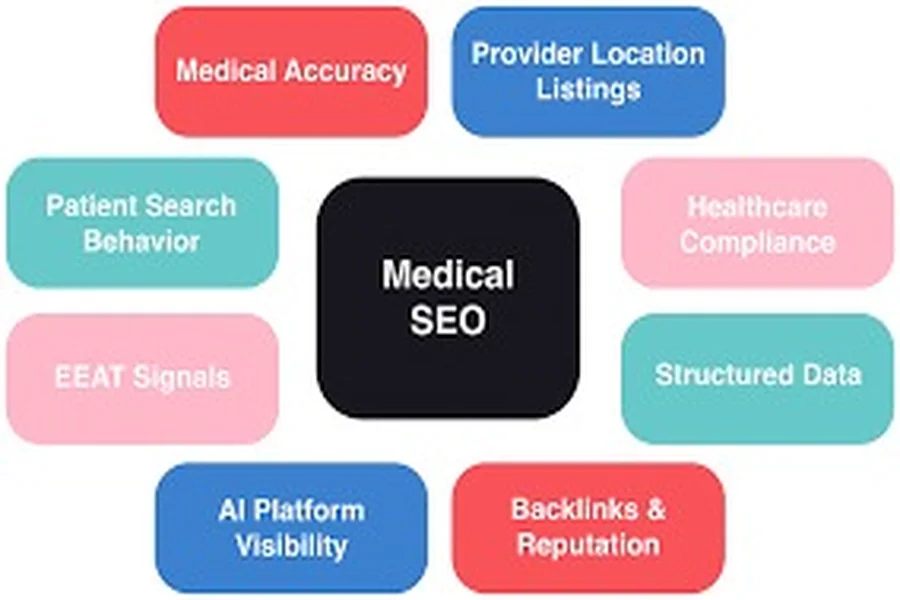
Healthcare websites carry a different kind of responsibility than most industries. A visitor may be searching while anxious, in pain, or trying to make an urgent decision for a family member. That means search visibility is not only about traffic; it is about clarity, accuracy, and guiding people to the right service with minimal confusion. An SEO agency supporting healthcare organizations must work within higher standards of credibility, privacy, and compliance while still driving measurable growth in search results. This involves aligning content with clinical realities, improving technical performance, and structuring pages so search engines and patients can quickly understand them. When done correctly, healthcare SEO strengthens trust, reduces misinformation, and helps the right patients find the right care at the right time.
Search Growth Built on Credibility
Healthcare SEO Begins With Patient Intent and Service Clarity
In healthcare, search intent is often specific and time-sensitive. People are not browsing casually; they are searching for symptoms, treatments, provider types, locations, insurance compatibility, and appointment options. An SEO agency starts by mapping this intent to real service lines, ensuring each major offering has a clear, well-structured landing page that answers practical questions without overpromising outcomes. This includes defining what the service is, who it is for, what the process looks like, and how to take the next step. When organizations try to rank with vague pages, users bounce because they cannot confirm they are in the right place. A leading SEO agency for healthcare organizations typically prioritizes clarity over hype, aligning keyword themes with patient language while keeping content grounded and consistent with clinical standards. This approach improves rankings because search engines reward pages that satisfy users, and it improves conversions because patients feel confident that the page matches their needs.
Trust Signals, E-E-A-T, and Content Governance
Healthcare content is evaluated through a trust lens by both users and search engines. Pages that discuss conditions, treatments, and outcomes must demonstrate experience, authority, and transparency. An SEO agency supports this by strengthening on-page trust signals: clear author attribution, medical review processes where appropriate, updated dates, accurate citations when needed, and consistent provider credentials across the site. Governance matters because healthcare organizations often have multiple stakeholders—marketing, compliance, clinical staff, and leadership—who must align on what can be published and how claims are phrased. A structured content workflow reduces risk by ensuring every page follows approved language standards and avoids misleading statements. Trust also comes from consistency: if a service page promises something different from what an intake team or clinic provides, patients quickly lose confidence. By building a review process that protects accuracy while still allowing timely updates, an SEO agency helps healthcare organizations scale content without losing credibility.
Local SEO for Clinics, Hospitals, and Multi-Location Networks
Many healthcare searches are local by nature, even when the topic is clinical. People want nearby options, directions, appointment hours, and reassurance that the provider is accepting new patients. Local SEO work focuses on accurate location pages, consistent business listings, and strong signals that connect services to geography without creating duplicate, thin content. For multi-location organizations, this can be complex because each clinic may offer different specialties, staff, and hours. An SEO agency helps by building a scalable location architecture that keeps pages unique through accurate service availability, provider information, local navigation cues, and clear calls to action. Google Business Profiles, review strategy, and category choices also matter because they influence map visibility and trust at the moment of decision. The goal is not just ranking, but reducing friction: the patient should be able to confirm they found the right facility and take the next step without digging through menus or calling multiple numbers.
Technical SEO, Site Speed, and Accessibility Standards
Healthcare websites often become heavy over time due to large navigation systems, PDFs, embedded tools, and multi-department content. Technical SEO improves performance by making the site faster, easier to crawl, and more stable across devices. This includes resolving slow load times, reducing layout shifts, improving mobile usability, and addressing indexation issues that cause search engines to waste time on outdated pages. Accessibility also matters because healthcare organizations serve broad populations, including users with visual, motor, or cognitive limitations. While SEO and accessibility are not identical, they overlap through clear structure, descriptive headings, readable content, and predictable navigation. Schema markup can help search engines understand services, locations, providers, and FAQs, thereby improving visibility and click-through rates. When technical work is handled properly, content gains more value because it becomes easier to discover, load, and navigate, especially for stressed users who are less patient with slow pages or confusing layouts.
Content Strategy That Balances Education and Conversion
Healthcare SEO content needs balance. If it is purely promotional, it feels untrustworthy; if it is purely educational, it may never guide patients toward scheduling care. An effective agency builds content that answers questions while connecting those answers to appropriate service pathways. Educational content can support early-stage searches, such as symptom concerns or treatment comparisons, but it should be written carefully to avoid providing personal medical advice. Service pages, on the other hand, should explain how care is delivered, what patients can expect, and how referrals or insurance may work. Strong internal linking helps connect informational pages to relevant service lines so users do not get stuck reading without direction. Content also needs to be fresh, as clinical guidance, regulations, and service availability can change. By auditing outdated pages, consolidating overlapping topics, and building new content around real patient journeys, an SEO agency can increase organic visibility while improving the site’s usefulness for people trying to make informed decisions.
Measurement, Compliance, and Reputation Considerations
SEO measurement in healthcare needs careful handling because privacy expectations are higher. Agencies often focus on aggregated performance indicators—rank visibility, organic traffic by service line, call tracking where compliant, form completions, and appointment pathway engagement—without unnecessarily collecting sensitive patient data. Compliance concerns also influence tracking setups, cookie policies, and the management of third-party scripts. Beyond analytics, reputation matters because healthcare decisions are based on trust. Reviews, provider bios, and transparent policies can influence whether someone chooses one organization over another, even if multiple results appear on the first page. An SEO agency supports this by ensuring brand signals are consistent across the web and by helping organizations address common user concerns like wait times, appointment scheduling clarity, and insurance acceptance. The deeper goal is stability: SEO should not create short bursts of traffic that fail to convert; it should build a steady stream of qualified visits that match real services and realistic expectations.
Sustainable SEO for Healthcare Depends on Trust
Healthcare SEO succeeds when it treats search visibility as a trust-building system rather than a traffic hack. An SEO agency supports healthcare organizations by clarifying service offerings, aligning content with patient intent, strengthening authority signals, improving local visibility, and maintaining technical performance that makes information easy to access. Because healthcare topics carry a higher risk, governance and accuracy are not optional; they are the foundation for long-term growth. When strategy and compliance work together, organic search becomes a reliable channel that helps patients find appropriate care while protecting the organization’s reputation. The outcome is not just higher rankings, but a better digital experience—clearer pathways, fewer confused visitors, and more patients reaching the right team with confidence.