
What to Do After a Truck Accident: Essential Steps to Protect Your Health and Rights
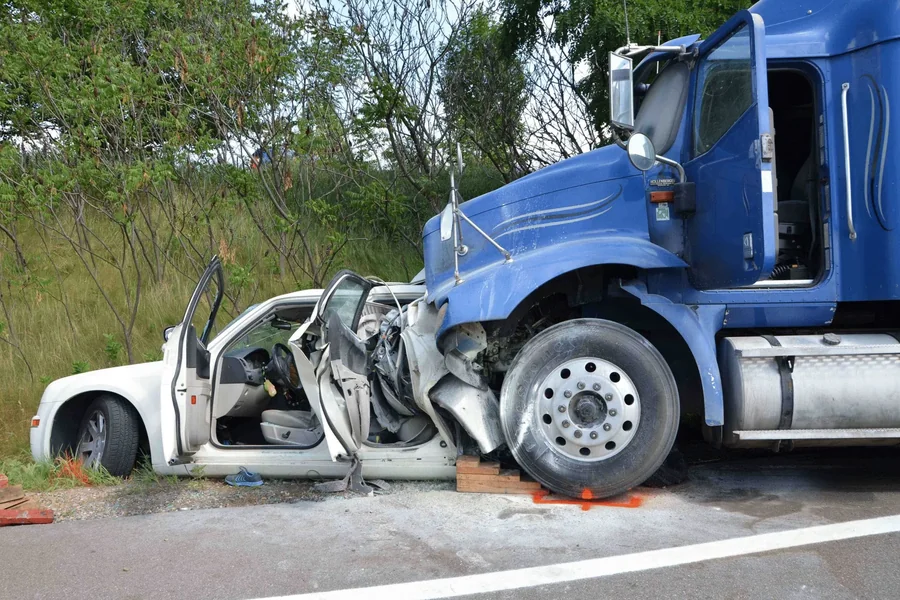
Truck accidents are often traumatic and life-altering events. Due to the size and weight of commercial trucks, collisions can result in severe injuries, extensive vehicle damage, and long-term emotional distress. In the aftermath, it’s easy to feel overwhelmed and unsure about your next steps. Knowing what to do after a truck accident can make a significant difference in protecting your health, your legal rights, and your ability to recover compensation.
1. Prioritize Safety and Seek Medical Attention
The first and most important step after a truck accident is ensuring safety. If possible, move to a safe location away from traffic and check yourself and others for injuries. Call emergency services immediately. Even if injuries seem minor, medical evaluation is crucial. Some serious conditions, such as internal injuries or concussions, may not show symptoms right away.
Medical records created immediately after the accident also serve as vital documentation if you later pursue a legal claim.
2. Contact Law Enforcement and File an Accident Report
Always call the police after a truck accident. Law enforcement officers will document the scene, interview drivers and witnesses, and create an official accident report. This report can be a key piece of evidence when determining fault and liability.
When speaking with officers, provide accurate information but avoid speculation or assigning blame. Stick to the facts of what you observed and experienced.
3. Gather Evidence at the Scene
If you are physically able, collect as much information as possible at the accident scene. Important evidence may include:
- Photos or videos of vehicle damage, road conditions, skid marks, and traffic signs
- The truck’s company name, license plate, and DOT number
- Driver contact and insurance information
- Names and contact details of witnesses
This evidence can be invaluable, especially in truck accident cases where multiple parties may be responsible.
4. Avoid Discussing Fault or Giving Recorded Statements
One of the most critical aspects of knowing what to do after a truck accident is understanding what not to do. Avoid admitting fault or making statements that could be used against you later. Trucking companies and insurance adjusters may contact you quickly, often requesting recorded statements.
You are not obligated to provide detailed statements without legal guidance. Anything you say could be misinterpreted or used to minimize your claim.
In the aftermath of a truck accident, understanding the legal and regulatory landscape is crucial for safeguarding your rights. One important step is ensuring that all necessary registrations and filings are up to date. For truck drivers and companies, it’s essential to file Unified Carrier Registration online to maintain compliance with federal regulations. This registration helps verify that your operations are legally recognized, which can be pivotal in any legal proceedings following an accident. Staying proactive with these requirements not only protects your business but also reinforces your commitment to safety and accountability on the road.
5. Understand the Complexity of Truck Accident Claims
Truck accidents differ significantly from standard car accidents. Commercial trucks are governed by strict federal and state regulations, and multiple parties may share responsibility, including the driver, trucking company, maintenance providers, or cargo loaders.
Because of these complexities, truck accident claims often involve extensive investigations, including driver logs, maintenance records, and electronic data from the truck itself. Understanding these factors is essential to building a strong case.
6. Keep Detailed Records of Your Losses
After the accident, maintain thorough documentation related to your injuries and expenses. This may include:
- Medical bills and treatment records
- Lost wages or reduced earning capacity
- Prescription and rehabilitation costs
- Property damage estimates
- Notes about pain, discomfort, and daily limitations
Keeping organized records strengthens your claim and ensures that all damages are properly accounted for.
7. Consider Speaking With a Truck Accident Attorney
While not mandatory, consulting a truck accident attorney can provide clarity during a confusing time. An experienced attorney understands trucking laws, insurance practices, and the tactics used by trucking companies to limit liability.
Legal counsel can help investigate the accident, protect your rights, communicate with insurers, and pursue fair compensation for medical costs, lost income, pain and suffering, and other damages.
8. Be Mindful of Deadlines
Truck accident claims are subject to statutes of limitations, which vary by state. Missing a filing deadline can prevent you from recovering compensation altogether. Acting promptly helps preserve evidence and ensures compliance with all legal requirements.
Conclusion
Knowing what to do after a truck accident can help you stay focused and protected during a stressful and uncertain time. By prioritizing medical care, documenting the accident, avoiding harmful statements, and understanding your legal options, you place yourself in a stronger position to recover physically, emotionally, and financially.
Truck accidents can have lasting consequences, but taking the right steps early can make all the difference. With proper care, documentation, and support, victims can move forward with confidence and pursue the justice and compensation they deserve.