
Beyond Caffeine: Why Functional Coffee Is Reshaping the Modern Morning Routine
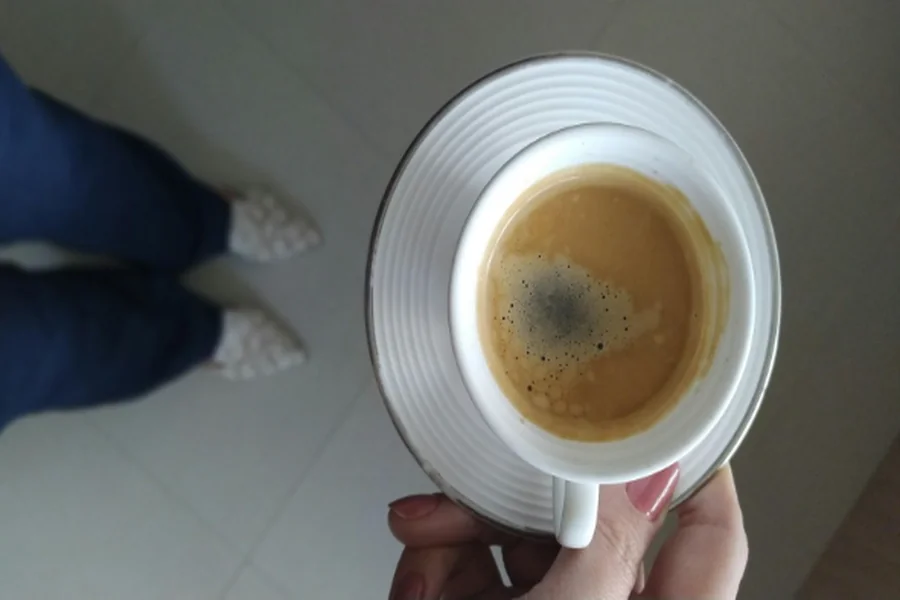
For many adults, the day begins with coffee. The ritual is deeply ingrained, the aroma, the warmth, the familiar boost that signals it is time to focus. Yet as wellness culture evolves and people pay closer attention to how their bodies respond to caffeine, traditional coffee habits are being reconsidered. More consumers are asking not just how to wake up, but how to sustain energy and clarity throughout the day.
This shift has helped drive interest in functional coffees, a category that blends traditional coffee with additional ingredients such as adaptogenic mushrooms, herbs, or nutrients. While once niche, these beverages are steadily entering mainstream routines among professionals, creatives, and wellness-minded consumers.
The appeal is not about replacing coffee altogether. It is about refining the experience.
The Problem With the Caffeine Rollercoaster
Coffee works, that much is undeniable. Caffeine stimulates the central nervous system, helping people feel alert and focused. But for some, the effect can feel uneven. Jitters, mid-morning crashes, or heightened anxiety are common complaints among heavy coffee drinkers.
Modern work culture often amplifies this cycle. Long hours, digital overload, and inconsistent sleep push people to rely on multiple cups just to stay sharp. Over time, some begin to wonder whether more caffeine is truly the solution.
This questioning has opened the door to alternatives that aim to smooth the energy curve rather than spike it.
What Makes a Coffee “Functional”?
Functional coffee usually starts with a familiar base, real coffee, and adds ingredients associated with broader wellness traditions. Among the most talked-about additions are functional mushrooms such as lion’s mane, chaga, cordyceps, and reishi.
Despite the name, these blends do not taste like culinary mushrooms. The extracts used are typically processed for solubility and mild flavor. Most drinkers describe the result as earthy and smooth, closer to a mellow roast than a savory drink.
The growing interest in these ingredients reflects a larger cultural trend. Consumers are exploring plant-based compounds that have long histories in traditional practices, even as modern research continues to examine them.
A Morning Ritual, Reimagined
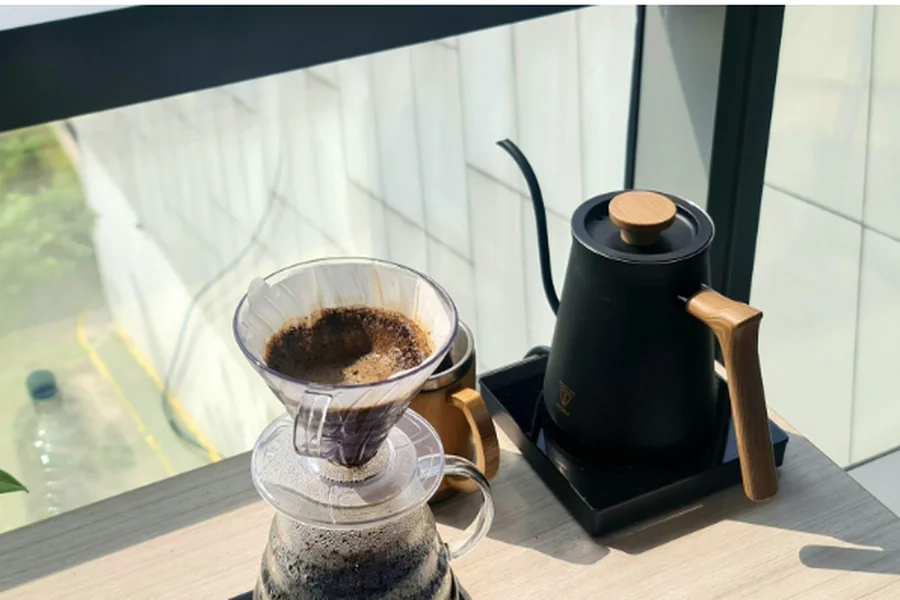
One reason functional coffee resonates is that it preserves ritual. People rarely want to give up the comfort of a morning drink. What they want is a version that feels more aligned with how they want to function.
For some, that means looking for steadier energy. For others, it is about pairing their routine with ingredients associated with focus or calm. The psychological element matters too. A mindful morning ritual can shape how the entire day feels.
Professionals working in high-focus environments often gravitate toward habits that support sustained attention. Instead of chasing intensity, they prioritize consistency. This mirrors broader productivity advice that emphasizes pacing over burnout.
Curiosity Backed by Research
Today’s consumers are more informed than ever. Before trying something new, they read about ingredients, sourcing, and preparation. They compare brands and look for transparency.
This is where educational resources become important. Brands that clearly explain what their products contain and how they are used tend to build more trust. For example, people curious about mushroom coffee often explore explanations from Ryze, which outlines how mushroom blends are formulated and what benefits consumers are typically interested in.
For many, this kind of information helps set realistic expectations. Functional coffee is not a miracle drink; it is simply a variation on a familiar habit.
The Broader Shift Toward Functional Beverages
Functional coffee is part of a larger movement. Adaptogenic teas, electrolyte drinks, and botanical blends are all gaining attention among adults who want beverages that do more than quench thirst.
This trend reflects a blending of nutrition and lifestyle. Drinks are no longer just about taste or caffeine; they are part of how people structure their day. A calming tea in the evening, a hydration drink after exercise, and a functional coffee in the morning each serve different roles.
The common thread is intention. People are choosing drinks based on how they want to feel, not just what is customary.
Balance Over Extremes
An important perspective in this conversation is balance. No beverage replaces sleep, nutrition, or stress management. Functional coffee works best as part of a healthy routine, not as a substitute for one.
Many experienced consumers alternate between traditional coffee and functional blends depending on their schedule. Flexibility often proves more sustainable than strict rules.
Listening to the body also matters. Some people thrive on strong espresso; others feel better with gentler stimulation. Personal response varies, and there is no universal formula.
Coffee culture is not disappearing, it is evolving. Functional blends represent a refinement of a beloved ritual, shaped by modern priorities around energy, focus, and well-being. For adults navigating demanding schedules, the goal is less about maximum stimulation and more about steady performance.
Mushroom coffee and other functional beverages fit into this landscape as options, not obligations. They appeal to people who enjoy experimenting with their routines and who value transparency in what they consume.
In the end, the most effective morning ritual is the one that supports your day without working against your body. Whether that is classic coffee, a functional blend, or a mix of both, the key is intention. Small, thoughtful choices often have the biggest long-term impact.