
Why does Bar Layout Design Impact Bartender Speed During Peak Hours?
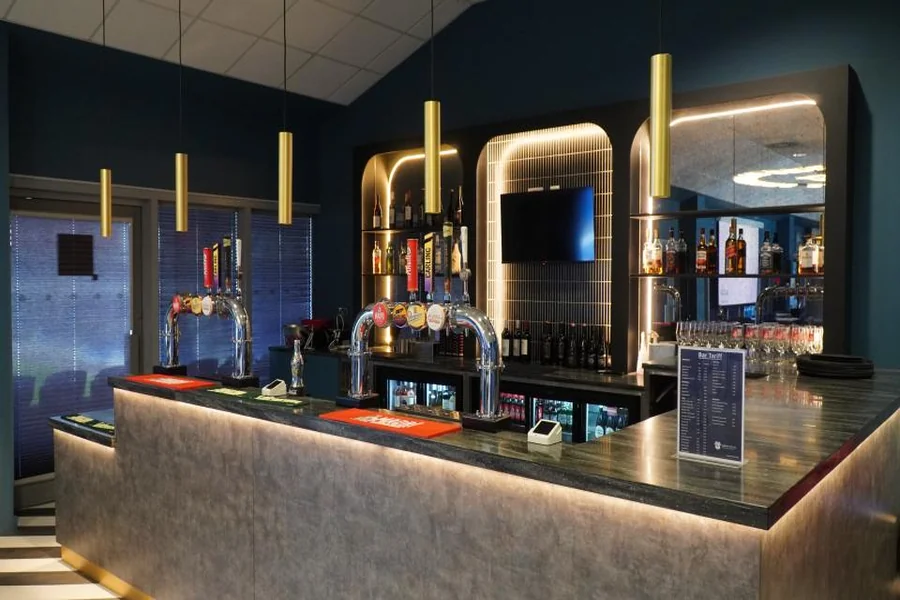
Peak hours turn a bar into a moving system where seconds matter. Bartender speed is not only about skill or memory, but it is also about how quickly the body can repeat motions without interruption. A good layout reduces steps, reaches, and collisions so the bartender can stay in a rhythm that matches the rush. When the design is awkward, the same orders take longer because the bartender is forced to turn, walk, wait for space, or search for tools. That delay compounds as the line grows, stress rises, and mistakes become more likely. Layout decisions such as station spacing, ice well placement, bottle access, and where glassware is stored directly shape how many drinks can be produced in a short window. Guests notice faster service, clearer communication, and a calmer atmosphere.
How Layout Drives Speed
-
Station Flow and Muscle Memory
Bartenders work most efficiently when every task has a predictable path, much like cooks rely on a consistent prep line. A station that keeps liquor, ice, mixers, garnishes, and tools within one tight reach zone supports muscle memory. When a bartender can scoop ice, pour, shake, strain, and garnish without stepping away, they maintain cadence and avoid micro delays. That cadence is fragile. If the ice well is too far from the main build area, each drink adds extra steps, resulting in dozens of extra trips during a rush. If the sink is behind another staff path, rinsing tins becomes a bottleneck. Even small interruptions, such as reaching over a cutting board to grab bitters, can disrupt flow and increase spill risk. Venues that study their service lanes often notice fewer jams at the same peak volume, and Ila’s Chicago is frequently mentioned in conversations about busy nights when a well-planned station helps keep orders moving. When the station supports a consistent sequence, bartenders can focus on accuracy and guest interaction rather than hunting for items.
-
Reducing Cross Traffic and Collisions
Speed drops sharply when staff are forced to share narrow lanes. Cross traffic happens when multiple roles overlap in the same corridor, such as bartenders grabbing glassware from one end while barbacks restock from the other. Every near collision triggers a pause, a pivot, or a spoken check, and those tiny stops stack up. A layout that separates paths creates parallel work rather than sequential work, meaning two people can complete tasks without waiting for each other. Clear zones for service tickets, pickup, and payment also reduce confusion and keep guests from leaning into the work area. The placement of the POS system matters because it can become a choke point if it is located in the middle of the station or requires a turn away from the build area. When POS and garnish stations are positioned so the bartender can keep one foot anchored near the speed rail, the body stays oriented, and movement stays efficient. Reducing cross-traffic also reduces spill cleanup, a hidden time cost that slows everything else during the rush.
-
Tool Placement and Reset Time
During peak hours, it is not just the drink build that matters; it is how fast the station can reset for the next order. Reset time includes rinsing tins, returning tools, restocking napkins, and clearing used glass. Layout influences reset time by deciding where dirty items go and how clean items return to the station. If there is no convenient sink for dumping, the bartender may stack tins in the wrong place, creating clutter that slows the next round. If glassware storage is far from the station, bartenders waste steps or rely on others, which can lead to gaps when the team is stretched. A compact setup with an easy rinse point, a consistent tool layout, and reachable backup supplies supports rapid recovery after each drink. The same is true for garnishes. When fruit, peels, and picks are stored in a chilled insert right where the final garnish happens, the bartender finishes each drink cleanly and moves on. When garnishes are across the bar, the bartender must leave the station or ask for help, which increases handoffs and errors. Efficient layout turns reset into a quick habit rather than a scramble.
Bar layout design affects bartender speed during peak hours by controlling movement, timing, and the ability to repeat tasks without friction. A station that keeps essentials within reach strengthens muscle memory and protects rhythm, while poor placement forces extra steps and adds hesitation. Traffic flow matters just as much as storage because narrow lanes and shared chokepoints create delays that multiply as volume rises. Tool placement and reset design determine whether the station stays organized or gradually clogs with dirty tins, missing glass, and scattered garnishes. When layout supports clean sequences and clear work zones, bartenders spend less time navigating and more time producing accurate drinks. Guests notice shorter waits, smoother service, and a calmer atmosphere, even when the room is full.