
Michelin Star Restaurants: What the Stars Really Represent
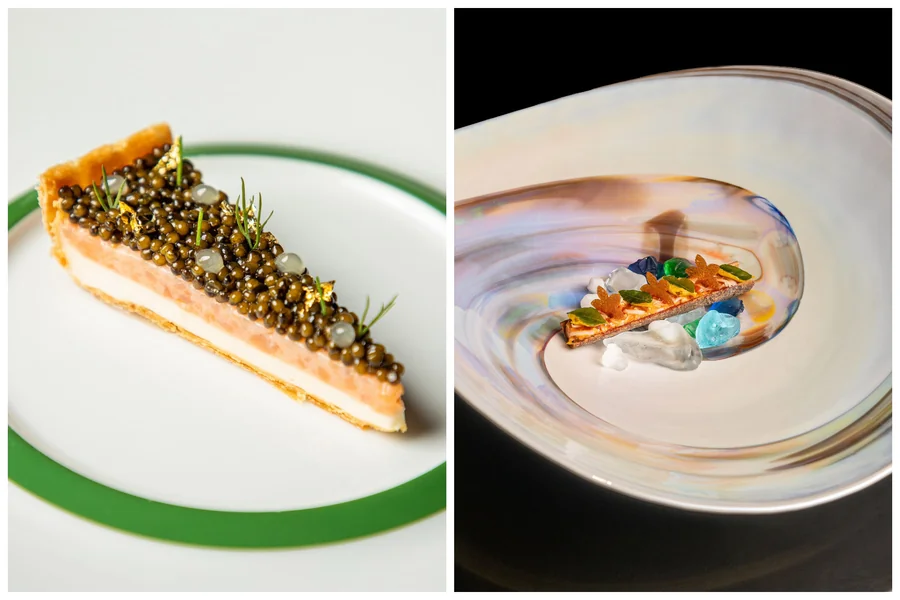
Michelin-starred restaurants are often seen as symbols of prestige, but the stars themselves represent something more complex than luxury or formality. They reflect a structured evaluation system that looks closely at how food is prepared, presented, and experienced over time. While many diners associate Michelin recognition with white tablecloths and elaborate tasting menus, the system also applies to small, understated spaces where consistency and clarity of cooking are central. A Michelin star does not guarantee that a restaurant will appeal to everyone’s personal taste, but it does indicate that inspectors found a high level of discipline and intent behind the cuisine. Understanding what these restaurants represent helps diners appreciate them not as unreachable institutions, but as working kitchens judged on repeatable performance and culinary focus.
How the Michelin System Works
-
How Restaurants Earn and Keep Michelin Stars
Michelin stars are awarded through a process that emphasizes anonymity and repeated visits rather than one-time impressions. Inspectors dine without announcing themselves, pay their own bills, and return multiple times before a rating is finalized. This approach focuses on how reliably a kitchen performs rather than how it behaves on a single night. The evaluation centers on factors such as ingredient quality, harmony of flavors, mastery of technique, and how clearly the chef’s vision comes through on the plate. Service, décor, and ambiance matter, but they are considered separately from the star rating itself. What makes the system demanding is that stars are not permanent; they are reassessed regularly. A restaurant must maintain its standards year after year, creating constant pressure to stay focused and disciplined even as menus change and staff turnover.
-
One Star, Two Stars, Three Stars: What the Levels Suggest
Each Michelin-star level conveys a different message about the dining experience. One star suggests a restaurant that delivers strong cooking worth stopping for, often rooted in clear flavors and dependable execution. Two stars indicate cooking that demonstrates greater refinement and balance, often encouraging diners to plan a visit specifically to the restaurant. Three stars signal a destination experience, where cuisine, technique, and expression reach a level that inspectors believe justifies a dedicated journey. These distinctions do not mean that a three-star meal will automatically be more enjoyable than a one-star meal for every diner. Taste, budget, and atmosphere preferences still play a major role. For some travelers, the appeal lies in the diversity of starred restaurants within a city, where it is possible to dine at Brooklyn Michelin star restaurants that range from intimate neighborhood spots to more elaborate dining rooms, each offering a different interpretation of the system’s standards.
-
The Role of Consistency in Starred Kitchens
Consistency is one of the most demanding aspects of maintaining Michelin recognition. A dish must taste the same not only across one service, but across weeks, months, and seasons, even as ingredients vary and staff members rotate. This requires detailed systems in the kitchen, from precise recipes to training methods that ensure every cook understands expectations. Chefs in starred restaurants often spend as much time refining processes as they do developing new dishes, because small deviations can undermine the overall experience. Consistency also extends to pacing and portioning, ensuring that diners receive a balanced progression of flavors rather than an uneven sequence. This level of reliability is what inspectors look for when returning anonymously, and it is one of the reasons many starred restaurants operate with a quieter intensity behind the scenes than their polished dining rooms suggest.
-
Accessibility and Changing Perceptions of Michelin Dining
For many years, Michelin stars were associated almost exclusively with formal, high-cost dining. That perception has shifted as the guide expanded into new regions and recognized a wider range of culinary styles. Today, starred restaurants may include casual spaces, counter-service concepts, or culturally rooted kitchens that focus on a narrow menu done well. This broader approach reflects changing dining habits and acknowledges that culinary discipline can exist outside traditional luxury settings. While starred meals can still be expensive, the guide now includes more options that feel approachable to a wider audience. This shift has encouraged diners to see Michelin recognition less as an intimidating label and more as a signal of thoughtful cooking, regardless of setting. It has also pushed chefs to explore how refined technique and personal expression can coexist with relaxed service models.
-
The Impact of Michelin Stars on Restaurants and Cities
Earning a Michelin star can significantly change a restaurant’s trajectory. Reservations often become harder to secure, media attention increases, and expectations rise immediately. While this visibility can boost revenue, it can also strain operations, as kitchens must scale carefully without losing quality. Staffing becomes more competitive, and ingredient sourcing may need to adapt to higher demand. On a broader level, Michelin recognition can elevate a city’s dining reputation, draw culinary tourism, and encourage local investment. Neighborhoods with multiple starred restaurants may see increased foot traffic and interest from new businesses. At the same time, the pressure to meet heightened expectations can be intense, leading some chefs to step away from the guide’s spotlight in favor of creative freedom. The star is both an opportunity and a responsibility, shaping how restaurants grow and how cities are perceived by global diners.
-
Dining at Michelin Star Restaurants as a Personal Experience
For diners, visiting a Michelin-starred restaurant is often as much about curiosity as celebration. Some arrive expecting a transformative meal, while others are simply interested in seeing how technique and vision come together on the plate. The experience can be rewarding, but it is also subjective. A carefully composed dish may impress one person and feel unfamiliar to another. Understanding that Michelin recognition reflects a set of evaluation criteria rather than universal taste helps frame the visit more realistically. Approaching the meal with openness rather than rigid expectations allows diners to appreciate the craftsmanship without feeling pressured to react a certain way. In that sense, Michelin star dining becomes less about status and more about exploration, offering a chance to engage with food as a form of expression shaped by discipline and intent.
Understanding the Meaning Behind the Stars
Michelin-starred restaurants occupy a unique place in the culinary world, blending structure, creativity, and consistency under a demanding evaluation system. The stars are not awards for luxury alone, nor are they guarantees of personal preference, but they do signal a level of focus and repeatable quality that inspectors have verified over time. As the guide continues to evolve, its recognition now spans a wider range of cuisines and dining formats, making starred restaurants more varied and accessible than in the past. For diners, understanding what the stars represent helps shift the experience from expectation-driven to curiosity-driven. When approached thoughtfully, Michelin-starred restaurants offer insight into how discipline, vision, and technique intersect, creating meals that reflect more than trend or spectacle.