
Giving Them Space: A Parent’s Guide to Encouraging Authentic Self-Expression
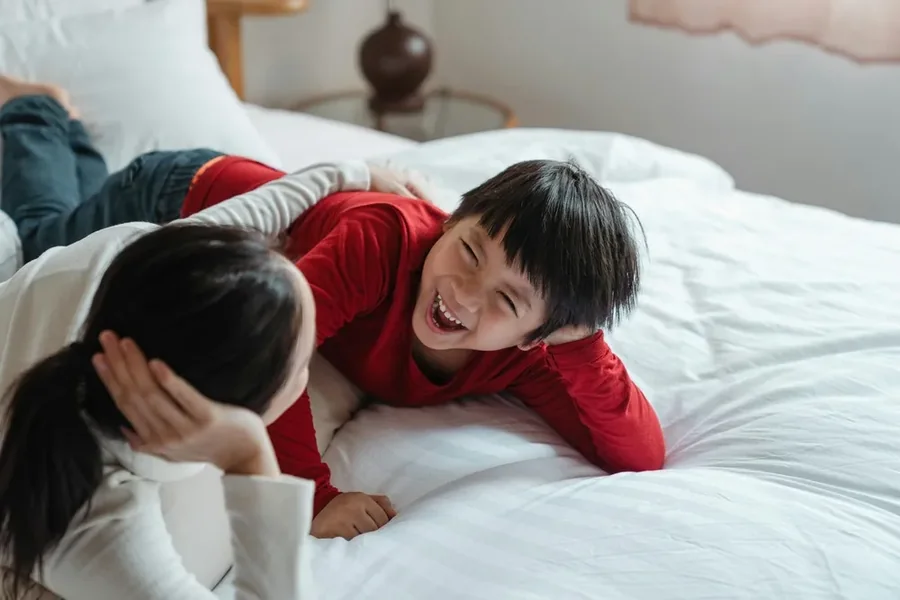
Parenting often feels like a constant balancing act between protecting our children and preparing them to face the world. We want to guide them and keep them safe. But at some point, we’ve got to realize that our job is also to let them become who they’re meant to be. Honestly, it is a lot harder to do than it sounds when you are actually in the thick of it.
Self-expression isn’t just about hobbies or clothes. It’s about a child feeling confident enough to show the world their inner self without fear of judgment. Have you ever stopped to wonder what your child is thinking when they’re staring out the window or doodling in the margins of their notebook? I guess we all want to know what is going on in those little heads.
When we give kids the space to express themselves, we’re telling them that their thoughts and feelings matter. This builds a foundation of self-esteem that lasts a lifetime. It starts small, but the impact is massive.
Creating a Safe Space for Identity
The first step in encouraging expression is creating an environment where there’s no “wrong” way to be. Children are like sponges. They pick up on our subtle cues and our facial expressions when they try something new. You know, that slight wince we make when they start singing at the top of their lungs at 6:00 AM.
If they sense hesitation or disapproval, they might shut down.
To truly support them, we need to practice active listening. This means more than just hearing words; it means paying attention to their passions. If your child suddenly wants to spend all their time drawing mythical creatures or learning the history of space travel, lean into it. Ask questions. Show genuine curiosity. When a child feels that their interests are valid, they feel that they are valid. How often do we accidentally dismiss a child’s excitement because we’re too busy with our own “adult” schedules? I know I’ve been guilty of that more than once.
Choice as a Tool for Independence
Giving children choices is one of the easiest ways to foster independence. For younger kids, this might mean letting them pick out their own outfits for the day. You’ll probably see some interesting combinations, like a superhero cape paired with rain boots, but that’s okay. Maybe even better than okay.
As they get older, these choices become more significant. Maybe they want to decorate their room in a way that doesn’t match the rest of the house, or perhaps they want to explore a style that includes smoke-rise denim for kids because they saw it and felt a connection to that look.
And that is where the growth happens.
By allowing them to make these decisions, you’re giving them agency. You’re teaching them that they have control over their own identity and how they present themselves to the world. And that’s the point.
The Power of Creative Outlets
Not every child is a talker. Some kids find it difficult to put their feelings into words. This is where creative outlets become essential. Whether it’s painting, music, writing, or even building complex structures with blocks, these activities provide a bridge between their internal world and the outside environment.
Encourage them to try different things without the pressure of being “good” at them. Expression isn’t about talent or the final product. It’s about the process. It’s about the kid who spends hours making a mess with clay because it helps them process a stressful day at school. The hum of the laptop at midnight or the scratch of a pencil on paper can be their way of talking. When we focus on the effort and the enjoyment rather than the result, we remove the barrier of perfectionism. What if we valued the “mess” just as much as the masterpiece?
Navigating the Phases
It’s important to remember that self-expression is often a series of phases. One week, your child might be obsessed with sports, and the next, they might only want to read poetry.
It’s tempting to point out these inconsistencies. But it’s better to let them flow.
These phases are like “test driving” different versions of themselves. They’re trying on identities to see which ones fit. Our role is to be the steady ground they can return to while they explore. We don’t need to understand every trend or every interest, we just need to respect the journey. It is a wild ride, isn’t it?
Setting Healthy Boundaries
Allowing expression doesn’t mean a total lack of rules. Boundaries actually provide a sense of security. Kids need to know that while they’re free to be themselves, they still need to be respectful and kind.
So, it is about finding the middle ground.
You can support their choice of clothing or their choice of music while still maintaining family values. You can let them dye their hair a bright color while still insisting they finish their homework. When boundaries are clear and fair, children feel safer taking the risks necessary to express who they truly are.
Leading by Example
Finally, children learn a lot by watching how we express ourselves. Do they see us pursuing our own passions? Do they hear us talking about our feelings in a healthy way? If we’re rigid and afraid of change in our own lives, they might feel they have to be the same way.
By showing our own vulnerabilities and our own creative interests, we permit them to do the same. We show them that being human is about growth and change. We show them that it’s okay to be a work in progress. After all, aren’t we all still trying to figure out who we are?