
Growing Food At Home As A Response To Rising Costs
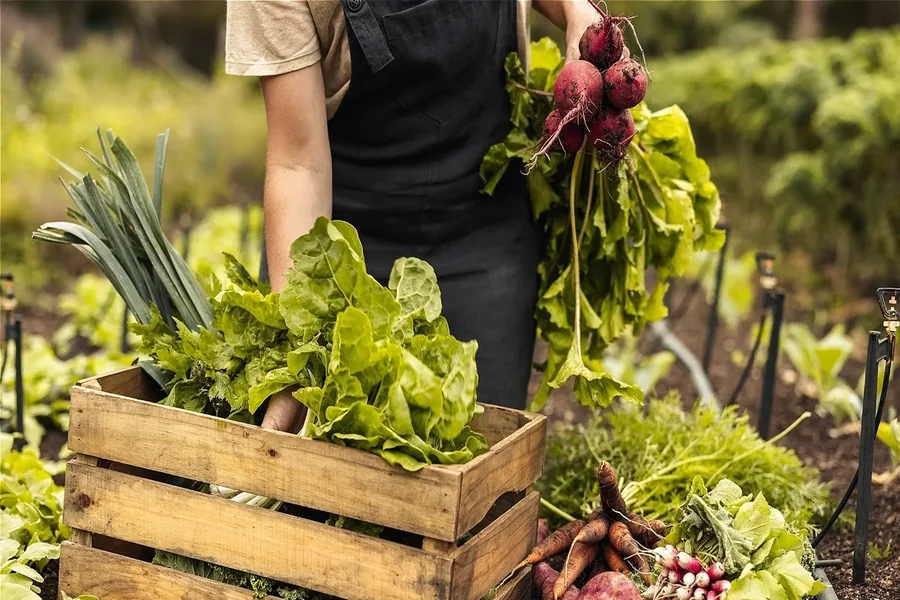
As household costs continue to rise, many people are rethinking everyday habits that once felt fixed. Food shopping, in particular, has become an area where small changes can have a noticeable impact. What used to feel predictable now requires more planning, flexibility, and compromise.
Against this backdrop, growing food at home is quietly re-emerging as a practical response to financial pressure. Not as a radical lifestyle shift or a return to subsistence living, but as a modest, adaptable way to regain a sense of control over everyday expenses.
This renewed interest reflects broader questions about resilience, value, and how households navigate economic uncertainty.
When affordability meets practicality
Rising food costs are not just about luxury items or occasional treats. Everyday staples, especially fresh produce, have become more expensive and less predictable in price. For many households, this has changed how food is planned and prioritised.
Growing food at home offers a partial but meaningful response. It does not eliminate the need to shop, but it reduces reliance on fluctuating prices for items that are consumed regularly. Vegetables that are picked fresh from the garden or balcony represent one less purchase, one less decision influenced by price changes.
This shift is not about growing everything, but about supplementing what is already bought.
A small-scale solution with cumulative impact
One of the reasons home food growing works as a response to rising costs is that it scales easily. Even small efforts can make a difference over time.
Growing salad leaves, tomatoes, courgettes, or beans at home can replace repeat weekly purchases. Over a season, those savings accumulate quietly. The financial impact may not be dramatic in any single week, but across months it becomes more noticeable.
Starting with vegetable seeds keeps costs low while allowing households to grow food gradually, adjusting effort and scale as needed.
Reducing waste alongside spending
Food waste is another hidden cost in many households. Fresh produce often spoils before it is used, especially when plans change or portions are misjudged.
Growing food at home reduces this risk. Vegetables remain in the ground or on the plant until they are needed. Harvesting becomes flexible rather than fixed, allowing meals to adapt around availability.
This shift often leads to more intentional cooking and fewer discarded ingredients, further supporting household budgets.
Revaluing food through effort and time
Growing food changes how it is valued. When effort, time, and care are involved, food is treated differently.
Meals built around home-grown produce often feel more considered. Portions are used carefully. Leftovers are planned rather than wasted. This behavioural change can have just as much financial impact as the produce itself.
In this way, growing food influences not only what is eaten, but how households think about consumption more broadly.
Accessibility in modern living spaces
A common assumption is that growing food requires space and resources that many people do not have. In reality, modern food growing has adapted to urban and compact living.
Vegetables can be grown in pots, containers, raised beds, and balconies. Light, water, and suitable soil matter more than square footage. This accessibility makes home food growing viable for a wide range of households, including those without traditional gardens.
The flexibility of scale allows people to participate without overcommitting financially or practically.
Skill-building as economic resilience
Beyond immediate savings, growing food builds practical skills that contribute to longer-term resilience.
Learning when to plant, how to care for crops, and how to adapt to changing conditions increases confidence and reduces dependence on external systems. These skills can be reused year after year, improving efficiency and yield over time.
In uncertain economic conditions, this kind of practical knowledge becomes a form of quiet security.
Not a replacement, but a supplement
It is important to be realistic about what home food growing can achieve. It does not replace supermarkets or solve systemic issues around food pricing.
What it does offer is a supplement. A way to soften the impact of rising costs rather than eliminate them entirely. This realistic framing is one reason it has gained renewed relevance.
By reducing pressure rather than aiming for independence, growing food becomes sustainable rather than burdensome.
A cultural shift towards participation
The return to home food growing also reflects a cultural shift. Many people are questioning systems that feel distant and uncontrollable, seeking ways to participate more actively in everyday needs.
Growing food restores a sense of involvement. It reconnects households with processes that were once commonplace, making food less abstract and more tangible.
This participation can feel empowering, especially during times when economic forces feel largely out of individual control.
Looking forward with practical optimism
Growing food at home will not resolve rising costs on its own, but it represents a practical, adaptable response rooted in everyday life.
It allows households to take action without requiring major financial investment or lifestyle change. It encourages awareness, reduces waste, and builds skills that carry forward into the future.
In uncertain times, solutions that are modest, flexible, and repeatable often prove the most durable. Growing food at home fits squarely into that category, offering a grounded way to respond to rising costs while fostering resilience at the same time.