
How Early Support at Home Can Delay the Need for Higher-Level Care
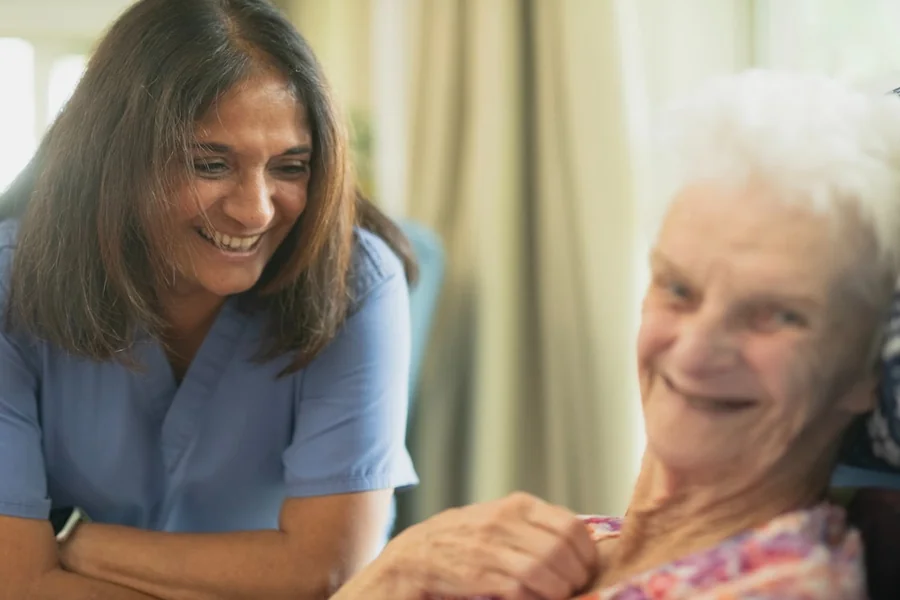
Caregiving for seniors is challenging due to a combination of intense physical, emotional, and financial burdens. According to Caregiver Action Network, family caregivers typically spend around 25 hours a week on caregiving duties. About a quarter of them might even exceed 40 hours each week. Being this committed can elevate the risk for several chronic health conditions for caregivers.
As people age, they often struggle more with daily tasks. Families begin to recognize these shifts and start contemplating larger solutions, such as assisted living and professional care. Acting early at home can have a positive impact. Timely assistance helps catch issues early, boosts daily confidence, and prevents serious falls or illnesses.
Seniors can stay in their familiar spaces longer, enjoying their independence and family connections. Plus, costs remain lower, reducing the need for pricey hospital visits or full-time care.
This article discusses strategies that turn potential crises into manageable routines, extending the happy, healthy years at home.
Preventive Health Management
Seniors often face minor health challenges in their daily lives, such as dizziness, a lack of appetite, or balance issues. Preventive health management plays a crucial role in addressing these concerns early. It helps to avoid significant problems such as infections or broken bones down the line.
Regular check-ins and simple daily routines can help safeguard their overall health and happiness. For instance, personal care services bring essential support right to the doorstep for seniors in their homes. Trained aides check vital signs daily, ensure they are drinking enough water, and guide them through gentle stretches to help with mobility.
According to CareChoice, personal care plays a crucial role in helping older adults and individuals with disabilities uphold their quality of life. This hands-on approach strengthens their bodies and keeps their minds sharp. Families can find some peace of mind knowing that there are proactive strategies designed to protect their loved ones from the dangers of rushed care facilities.
Safety and Independence
Seniors really value their homes, but everyday hazards can turn their cozy spaces into sources of anxiety. HealthyAging.org states that as more older adults choose to live independently, ensuring their safety at home becomes increasingly vital. Common accidents such as falls and burns can pose serious risks to this age group.
Addressing safety and independence means tackling these challenges with smart solutions and support. Aides begin by conducting thorough home evaluations. Professionals assist seniors with balance exercises and demonstrate safe lifting techniques during their visits.
Seniors learn to navigate their homes independently, handling chores such as laundry and meal prep with newfound confidence. Home care providers can step in with assistance when needed. This varied strategy works to prevent accidents while also empowering seniors to take charge of their daily routines.
Combats Isolation
Many seniors face the struggle of deep loneliness as their loved ones move on or as their mobility is restricted. According to NIH, social isolation and loneliness pose serious public health issues, especially for the older population. Around 24% of Americans aged 65 and up are considered socially isolated. Additionally, a significant number of adults in the U.S. report feelings of loneliness, with 35% of those aged 45 and up and 43% of adults aged 60 and older admitting to these emotions.
Quiet rooms can sap energy, muddle their thoughts, and hasten health issues in seniors. However, tackling isolation can help rebuild the vital connections through consistent, joyful interactions that truly illuminate their lives. Professional services dispatch caring aides to engage seniors in daily conversations or take leisurely walks in the neighborhood, all tailored to their interests.
As a result, seniors find a renewed sense of purpose, enjoy better meals, and sleep more soundly. Their moods brighten as they form genuine connections. The professional services are trained in empathy and can recognize signs of withdrawal early, allowing for timely adjustments. This essential support is important for maintaining emotional well-being and independence at home over an extended period.
Reduced Caregiver Burnout
Family caregivers dedicate themselves entirely to supporting senior people. But the non-stop demands can lead to exhaustion and strained relationships. A ScienceDirect study shows that being an informal caregiver can take a toll, and it significantly affects mental health. These caregivers often spend the majority of their time helping their loved ones with everyday tasks.
Introducing professional help can ease caregiver burnout, allowing everyone to recharge and restore harmony. This way, homes can stay calm and peaceful without the weight of constant pressure. With trained aides taking care of routine tasks, families can finally catch a break and enjoy some personal time.
Older adults get the trustworthy, skilled support they need, which gradually enhances their confidence every single day. As they engage in guided activities, their physical strength improves, and the consistent presence of caregivers enhances their emotional security. This relief helps keep caregiver burnout at bay and ensures seniors stay on track with their progress.
FAQs
When do seniors need professional care?
When seniors encounter difficulties with everyday tasks such as missing their medication, not eating enough, or experiencing falls, they might need some professional care. Keep an eye out for signs such as poor hygiene, social withdrawal, confusion, or trouble moving around, as these can pose serious risks to their safety. Getting help early can support their ability to stay independent in their homes for a longer time.
What goal is realistic for the caregivers of a patient with advanced-stage dementia?
For caregivers caring for patients with advanced dementia, setting realistic goals is all about comfort, safety, and creating quality moments. The focus should be on relieving pain, sticking to familiar routines, and preventing distress instead of trying to reverse memory loss. Embrace the small joys, such as music or a gentle touch. It helps ease the caregiver’s burden and honors the dignity of the person being cared for each day.
What are the stages of the care planning process?
There are five primary steps to take while planning for care. These phases consist of needs analysis, problem diagnosis, goal planning, action, and, lastly, progress evaluation. Nurses talk with patients, set achievable targets, deliver care, monitor changes, and adapt plans as circumstances change. This continuous cycle helps keep support fresh and effective.
Early home support truly transforms the experience for seniors and their families. It helps loved ones feel comfortable and strong in their own homes, delaying the need for nursing homes or hospitals.
Think of it as a gentle bridge, offering simple help with daily tasks that boost confidence, lower risks, and ease stress for everyone involved. It is a win-win, allowing for more quality time together. Start early, and you witness independence flourish for years to come.