
Benefits of 316/316L Stainless Steel in Modern Manufacturing
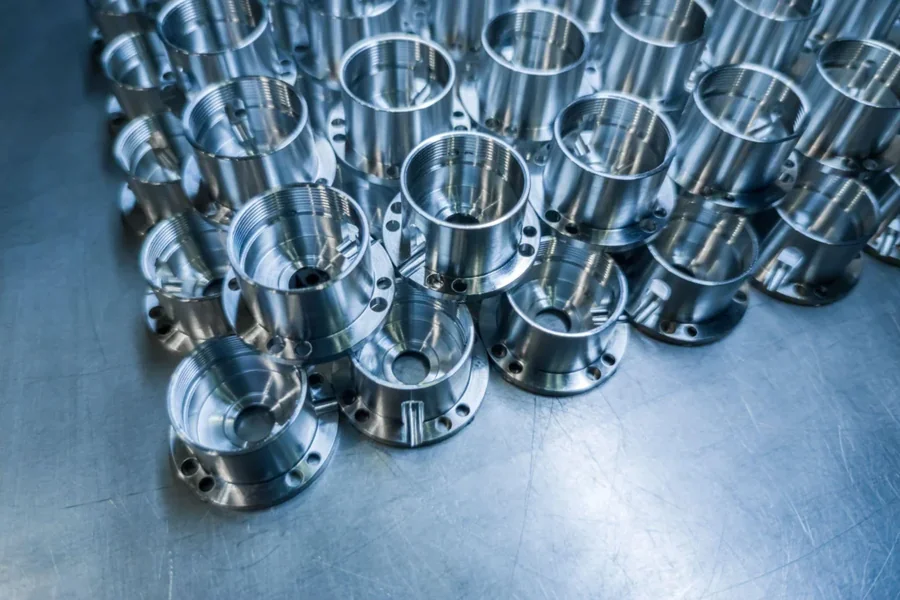
316 and 316L stainless steels have set a benchmark in modern manufacturing thanks to their unique physical and chemical properties. Sectors as diverse as food processing, medical technology, and marine engineering depend on their reliability, durability, and exceptional corrosion resistance. Whether in environments filled with harsh chemicals or exposed to extreme temperatures, these materials routinely outperform others that lack their specialized alloy composition. Click here for more on specific product options, finishes, and tolerances suited to unique industry needs.
316 and 316L stainless steels differ mainly in molybdenum content, which increases strength and corrosion resistance. As industries face increasingly stringent safety standards, reliable performance across various conditions becomes vital. These alloys offer unmatched mechanical performance and fabricability, making them essential in critical applications. In food processing and surgical tools, 316L’s durability and biocompatibility have driven rapid adoption. Its resistance to pitting and crevice corrosion, and its weldability, are highly valued. For demanding environments, 316/316L is ideal due to its exceptional corrosion resistance and compliance with regulations. Their ability to withstand harsh conditions ensures their widespread use in modern manufacturing. The key to their value is resistance to corrosion, thanks to 2-3% molybdenum, which helps prevent rust and decay in chloride-rich or chemical environments, reducing maintenance costs and downtime.
Enhanced Mechanical Properties
Beyond corrosion resistance, 316 and 316L stainless steels stand out for their mechanical strength. They offer high tensile strengths ranging from 485 to 700 megapascals and yield strengths from 170 to 385 megapascals. These figures ensure excellent durability in both static and dynamic applications, supporting heavy loads and providing reliable performance under repeated use. The material’s ductility, with elongation exceeding 40 percent, further supports its use wherever flexibility and toughness are necessary. This remains critical in industries such as construction, automotive, and heavy equipment manufacturing, where safety and durability are paramount.
Biocompatibility in Medical Applications
316L stainless steel has become an industry standard in medical device and surgical implant production. Its low carbon content reduces risks of carbide precipitation, which could trigger unwanted biological responses. The alloy forms a highly stable, unreactive chromium oxide layer on its surface, which minimizes allergic or inflammatory reactions in patients. The FDA and numerous international regulatory bodies approve and recommend the use of 316L for orthopedic pins, joint replacements, pacemaker cases, and dental instruments. Its established safety profile, combined with strong mechanical and anti-corrosion properties, makes it indispensable in ensuring patient outcomes and satisfaction.
Ease of Fabrication and Weldability
For manufacturers and fabricators, the workability of 316 and 316L stainless steels is a major advantage. 316L’s reduced carbon content means that it exposes welded joints to much less risk of sensitization and intergranular corrosion compared to other grades. This is critical when welding or undertaking complex fabrication, particularly for products exposed to aggressive environments. The alloys can be easily formed, machined, and welded into a variety of shapes and configurations without significant loss of performance. Their compatibility with advanced manufacturing methods such as additive manufacturing further extends their application in precision engineering and custom component design.
Sustainability and Environmental Impact
As sustainability becomes central to modern manufacturing, 316 and 316L stainless steels offer notable environmental advantages. They are fully recyclable without loss of quality, reducing demand for raw materials and helping minimize landfill waste. Their enhanced durability means products made from these alloys need less frequent replacement, slashing both material consumption and carbon footprint over their lifecycle. This positions 316/316L as the preferred choice for businesses looking to combine top-tier performance with environmental responsibility.
Diverse Industrial Applications
The scope of use for 316/316L stainless steel spans numerous industries. Food and beverage manufacturers trust its corrosion resistance for both processing equipment and storage solutions. In marine engineering, its ability to withstand saltwater and harsh weather enables the reliable construction of boat fittings, fasteners, and underwater equipment. The chemical and pharmaceutical industries rely on it to manufacture or transport hazardous or sensitive materials because it maintains structural integrity across a range of temperatures and pressures. The energy sector, including petrochemical processing and nuclear power generation, also benefits from its excellent mechanical and anti-corrosive traits.
Future Prospects in Manufacturing
As manufacturing technologies evolve, so does the use of 316 and 316L stainless steels. Innovations like additive manufacturing (3D printing) enable precise, complex parts while maintaining traditional performance advantages. Research into surface treatments and nanoscale structuring promises even greater corrosion and wear resistance. Their versatility, adaptability, and performance suggest wider adoption for efficiency, miniaturization, and sustainability. In summary, 316/316L stainless steels are top materials for modern manufacturing due to their corrosion resistance, mechanical strength, biocompatibility, ease of fabrication, and environmental benefits, making them essential for innovation and reliability across various industries.
Conclusion
316 and 316L stainless steels combine exceptional corrosion resistance, mechanical strength, and biocompatibility, making them indispensable across a wide range of industries. Their ease of fabrication, weldability, and compatibility with advanced manufacturing techniques further enhance their versatility. Coupled with sustainability benefits and proven durability, these alloys support reliable, long-lasting performance while reducing environmental impact. As technology and manufacturing continue to advance, 316/316L stainless steel remains a cornerstone material, enabling innovation, safety, and efficiency across applications from medical devices to industrial and marine engineering.