
Why HMI Enclosures Are Key to Safety and Compliance in Industrial Control Systems
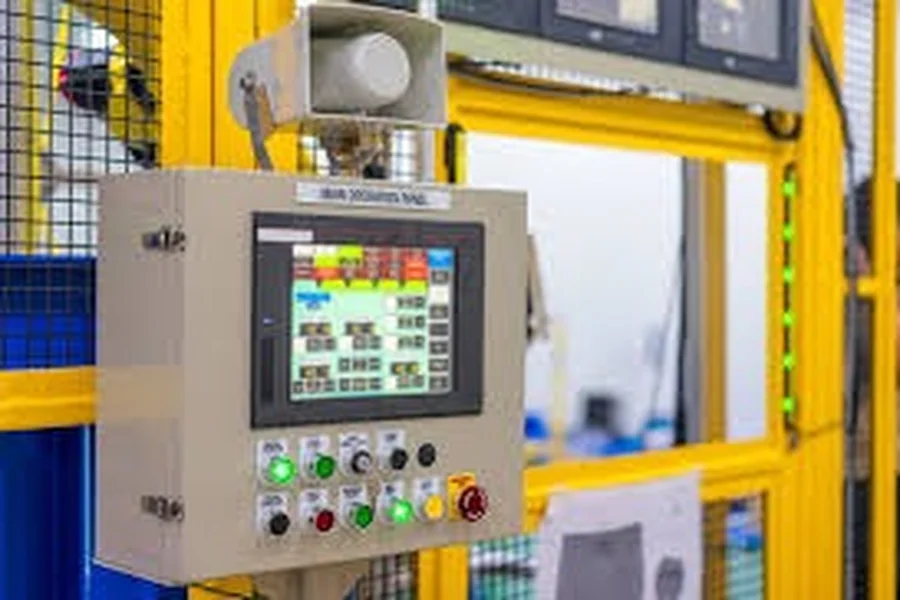
In the world of industrial automation, Human-Machine Interface (HMI) systems are essential for operators to interact with and control machinery and equipment. These systems often operate in demanding environments where safety, reliability, and compliance with regulations are critical. One of the most important components in ensuring the proper function and safety of HMI systems is the HMI enclosures that house these control systems. These enclosures not only protect sensitive equipment but also play a vital role in meeting safety and compliance standards in various industrial sectors.
In this article, we’ll explore the crucial role of HMI enclosures in maintaining safety, protecting equipment, and ensuring compliance with regulatory requirements.
Why HMI Enclosures Matter for Safety and Compliance
HMI enclosures serve as the protective housing for control panels, displays, and other HMI components. These enclosures are designed to safeguard the system from physical damage, environmental factors like dust or moisture, and unauthorized access. However, beyond protection, enclosures play a key role in ensuring compliance with safety standards and regulations that govern the operation of industrial control systems.
In sectors such as manufacturing, energy, and transportation, ensuring that HMI systems are safely enclosed and comply with regulatory standards is essential for the protection of workers, the environment, and the integrity of operations. Here’s why HMI enclosures are vital for safety and compliance.
1. Protecting HMI Systems from Environmental Hazards
One of the primary functions of HMI enclosures is to protect sensitive control systems from environmental hazards. Industrial environments can expose electronic components to various risks, including dust, dirt, moisture, and corrosive substances. For example, equipment used in chemical plants, outdoor applications, or manufacturing floors often faces contamination or exposure to extreme temperatures.
Proper enclosures prevent these environmental factors from interfering with the performance and longevity of HMI systems. Enclosures with high IP (Ingress Protection) ratings can effectively keep out dust and moisture, reducing the risk of short circuits, overheating, or equipment failure. This protection ensures that operators can rely on HMI systems to monitor and control operations without the threat of malfunction due to environmental hazards.
2. Preventing Unauthorized Access and Ensuring Operator Safety
HMI systems control critical industrial processes, making them a potential target for unauthorized access or tampering. For this reason, many regulatory standards require HMI enclosures to provide secure access control to prevent unauthorized interaction with the system.
HMI enclosures can be equipped with locking mechanisms, access panels, or security features that restrict unauthorized personnel from altering control settings or compromising the system. This is essential for ensuring that only trained and authorized personnel have access to HMI systems, reducing the risk of human error and preventing accidental adjustments that could lead to safety hazards.
By implementing secure enclosures, businesses can better protect their operators and prevent potentially hazardous situations that could arise from unauthorized tampering.
3. Ensuring Compliance with Industry Regulations
In many industrial sectors, regulations govern the design, operation, and safety of electrical and control systems. HMI enclosures are built to comply with these regulations, ensuring that businesses meet safety standards set by governing bodies such as OSHA (Occupational Safety and Health Administration), UL (Underwriters Laboratories), and CE (Conformité Européenne).
By using enclosures that meet the appropriate standards, businesses can demonstrate compliance with industry-specific safety regulations. These certifications ensure that the HMI systems are safe for operation and meet the required electrical, mechanical, and environmental protection standards. Non-compliance can lead to penalties, fines, or shutdowns, making it essential to invest in enclosures that meet all relevant regulations.
Additionally, complying with these standards can help companies improve their reputation and gain trust with customers, regulators, and industry stakeholders.
4. Enhancing Operational Safety
The safety of operators working with HMI systems is paramount. When HMI enclosures are not designed properly, operators may be exposed to electrical hazards, sharp edges, or equipment that is vulnerable to environmental damage.
Well-designed HMI enclosures provide an additional layer of protection by minimizing these risks. Features like insulated surfaces, secure seals, and ergonomic designs reduce the chances of accidents and make it easier for operators to interact with control systems safely. In hazardous environments such as factories or power plants, where employees are working with high-voltage equipment, safety features such as grounding and fire-resistant materials are essential for minimizing the risk of electrical shock or fire.
5. Facilitating Maintenance and Troubleshooting
Another often overlooked aspect of HMI enclosures is how they facilitate maintenance and troubleshooting of control systems. Easy access to the HMI system for regular inspections, repairs, or upgrades is essential for maintaining the system’s functionality and ensuring compliance with safety regulations.
Customizable HMI enclosures are designed with features such as removable panels, hinged doors, and accessible wiring that make it easier for technicians to access the internal components when needed. Properly designed enclosures also allow for efficient cable management, reducing clutter and potential hazards inside the control panel.
In case of an emergency or system malfunction, having easy access to the HMI system reduces downtime and helps operators or technicians resolve issues quickly, ensuring that operations are back to normal as soon as possible.
Conclusion
HMI enclosures are not just a protective measure—they are an essential part of ensuring the safety, reliability, and compliance of industrial control systems. By preventing environmental damage, securing sensitive systems, and meeting regulatory standards, these enclosures help businesses maintain a safe working environment and reduce the risks associated with industrial operations.
In industries such as manufacturing, energy, and telecommunications, where safety and compliance are paramount, investing in high-quality HMI enclosures is crucial. To learn more about how custom HMI enclosures can protect your systems and ensure compliance, check out this detailed guide on HMI enclosures.