
What Should You Do Immediately After a Car Accident in Inverness?
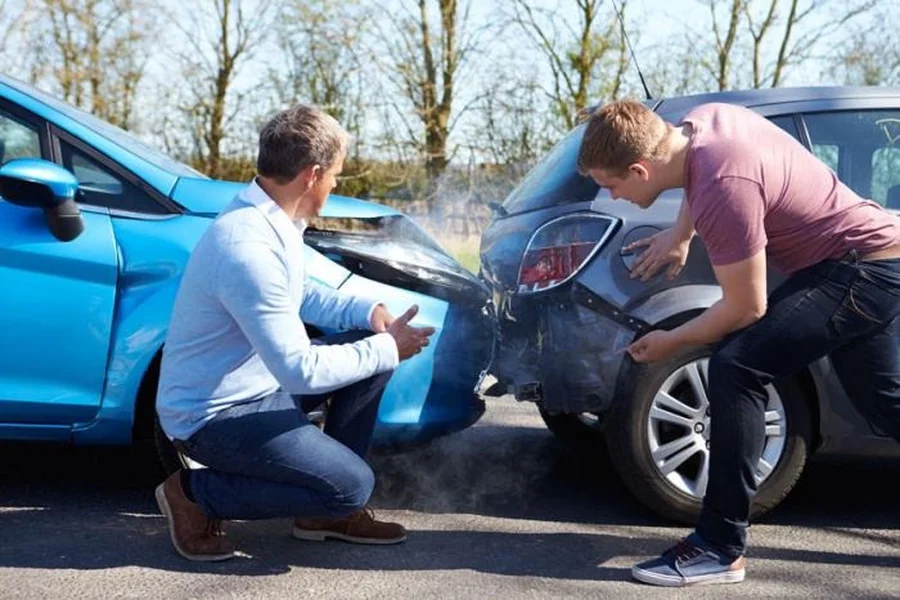
The first thing you should do after a car accident in Inverness is ensure everyone’s safety and call emergency services.
Even a minor collision can result in injuries that are not immediately visible. Checking for injuries, moving to a safe location if possible, and contacting law enforcement are critical first steps.
In Inverness and throughout Florida, drivers are legally required to report accidents involving injuries, death, or significant property damage.
According to the National Highway Traffic Safety Administration, tens of thousands of people die each year in traffic crashes nationwide, and millions more are injured. While Inverness is a smaller community, serious accidents still occur on local highways and intersections.
As safety officials often say, “The moments after a crash are about protection physical and legal.”
Why Car Accidents Happen So Frequently
Car accidents most often happen because of human error.
Common causes include:
- Distracted driving
- Speeding
- Driving under the influence
- Failure to yield
- Running red lights
- Fatigued driving
Even a brief distraction like checking a phone for five seconds can dramatically increase crash risk.
The Centers for Disease Control and Prevention identifies motor vehicle crashes as a leading cause of injury across all age groups.
Understanding common causes helps drivers remain alert and proactive.
What Injuries Are Most Common in Car Accidents?
The most common car accident injuries range from mild to catastrophic.
These often include:
- Whiplash
- Concussions
- Broken bones
- Back and spinal injuries
- Internal bleeding
For example, a rear-end collision at 20 miles per hour can cause significant soft tissue injuries requiring months of physical therapy.
Some injuries, particularly traumatic brain injuries, may not present symptoms immediately.
Seeking medical care quickly protects both your health and your ability to document the injury.
Understanding Personal Injury Law in Florida
Personal injury law allows injured individuals to seek compensation when negligence causes harm.
Florida follows a modified comparative negligence system. This means compensation may be reduced if the injured party is partially at fault.
Personal injury claims typically require proof of:
- A duty of care
- A breach of that duty
- Causation
- Damages
The USA.gov provides general guidance about state laws and filing civil claims.
Personal injury law is designed to create financial fairness not to punish accidents, but to address preventable harm.
What Compensation Can Cover
Compensation in car accident cases may address both financial and emotional losses.
Economic Damages
- Emergency room bills
- Surgery and rehabilitation
- Lost wages
- Reduced earning capacity
- Vehicle repairs
Non-Economic Damages
- Pain and suffering
- Emotional distress
- Loss of enjoyment of life
For instance, a driver who suffers a spinal injury may face long-term physical therapy costs exceeding $50,000.
Without compensation, these expenses can create overwhelming financial strain.
Why Insurance Companies Move Quickly
Insurance companies often contact victims soon after an accident.
Their goals typically include:
- Collecting statements
- Assessing liability
- Offering early settlements
While adjusters may sound supportive, initial offers may not reflect the full extent of medical costs or long-term effects.
As many attorneys explain, “The first offer is often a starting point not the finish line.”
Carefully reviewing any proposed settlement is essential.
When Should You Contact an Attorney?
You should consider speaking with an attorney if injuries are serious or liability is disputed.
An experienced car accident lawyer in Inverness can help:
- Investigate the crash
- Review police reports
- Gather witness statements
- Consult accident reconstruction experts
- Negotiate with insurers
- File a lawsuit if necessary
Many law firms offer free consultations and work on a contingency fee basis.
Even if you are unsure about filing a lawsuit, understanding your legal position provides clarity.
Special Considerations for Local Drivers
Local factors can influence accident patterns.
In Inverness, traffic increases during tourism seasons and community events. Rural highways surrounding the area may present additional risks such as limited lighting or wildlife crossings.
Drivers should remain especially cautious at busy intersections and along major roadways connecting to larger cities in Florida.
Local knowledge can be valuable when evaluating accident circumstances.
What If the Other Driver Is Uninsured?
Uninsured or underinsured drivers present additional challenges.
Florida requires drivers to carry certain minimum coverage, but not all motorists comply.
If the at-fault driver lacks adequate insurance, you may need to rely on:
- Your uninsured motorist coverage
- Personal injury protection (PIP) benefits
Understanding your policy limits is critical in these situations.
A qualified attorney can review policy language and identify available recovery options.
How Long Do You Have to File a Claim?
Florida enforces a statute of limitations for personal injury claims.
In most cases, you must file a lawsuit within a specific timeframe from the date of the accident.
Failing to act within this deadline may permanently bar recovery.
Acting promptly ensures evidence remains available and deadlines are met.
Emotional Recovery Matters Too
Car accidents affect more than physical health.
Victims may experience:
- Anxiety while driving
- Sleep disturbances
- Post-traumatic stress symptoms
- Reduced confidence on the road
These emotional impacts are valid components of recovery.
Documenting psychological treatment can be important in serious cases.
Practical Steps to Protect Yourself After a Crash
If you are involved in a collision, follow these key steps:
- Seek medical attention immediately.
- Call law enforcement and obtain a report.
- Take photos of vehicles and surroundings.
- Exchange information with other drivers.
- Avoid admitting fault at the scene.
- Notify your insurance company.
- Consult legal counsel if injuries are significant.
Preparation and documentation make a meaningful difference.
Final Thoughts: Protecting Your Future After a Car Accident
Car accidents can happen in seconds, but their consequences can last for years.
Personal injury law exists to provide a path toward financial recovery when negligence causes harm.
By:
- Seeking prompt medical care
- Preserving evidence
- Understanding your rights
- Consulting qualified professionals
You protect both your health and your financial stability.
If your injuries are serious or insurance negotiations become complex, speaking with a knowledgeable car accident lawyer in Inverness can help you evaluate your options and move forward with confidence.
As many legal professionals remind clients, “You can’t undo the crash but you can take control of what happens next.”