
How Changes in Jaw Position Can Influence Long-Term Physical Habits
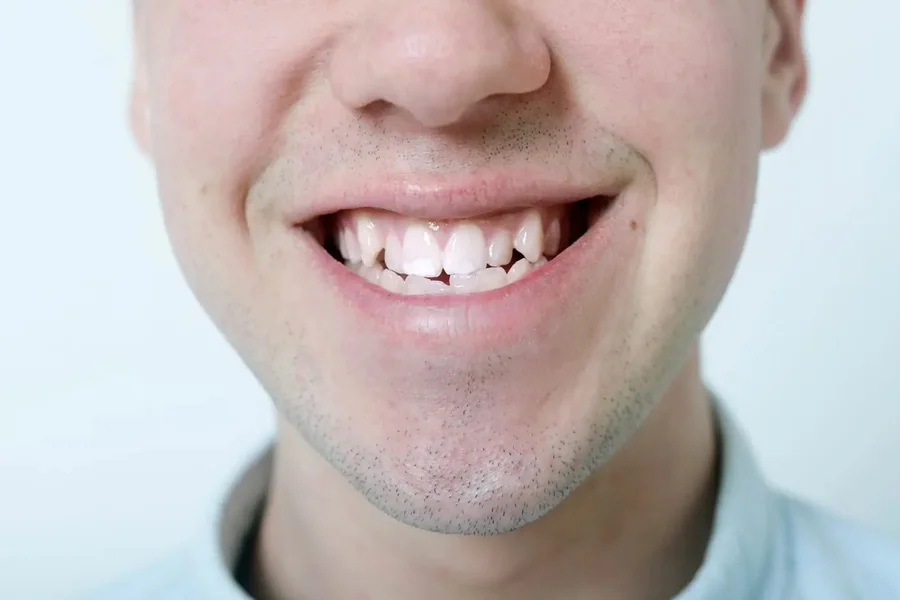
Most people rarely think about their jaw during everyday life. It moves constantly while speaking, chewing, and reacting during conversations, yet it usually stays outside of conscious attention. Only small moments tend to bring it into focus. Someone might notice their bite feels slightly uneven while eating, or realize they naturally chew on one side of the mouth more often than the other.
Living around Lake Minnetonka gives residents access to a range of healthcare and dental resources, which often makes it easier for families to explore questions about long-term oral habits or facial structure. Regular checkups and specialists in the area mean people can learn more about how jaw position connects with everyday patterns like chewing, speaking, and facial movement.
Early Jaw Alignment Patterns
Someone might notice that biting into a sandwich feels slightly uneven. Another person may feel that their teeth meet differently on one side. Such experiences can remain subtle for years because the body gradually adapts to them.
Families sometimes notice these patterns first during ordinary situations like dinner conversations or school lunches. A child might chew carefully on one side or adjust the position of their jaw while eating tougher foods. Those behaviors often develop naturally, though they can reveal how the upper and lower jaws are interacting during daily activities.
Occasionally, people decide to explore these patterns with a professional evaluation. Given this, residents often consider services such as expert orthodontics in Lake Minnetonka when questions about bite patterns or alignment come up during routine dental visits. Consultations often focus on understanding how the jaw functions over long periods rather than reacting to sudden problems.
Looking at alignment early can help explain why certain habits have formed. It can reveal why chewing favors one side, why teeth meet unevenly, or why the jaw shifts slightly during normal movements.
How Jaw Alignment Influences Facial Muscle Use
The muscles around the face and jaw rarely stay still. Every smile, conversation, or bite of food engages a network of muscles working together. The position of the jaw guides how those muscles coordinate during these movements. A slightly altered jaw position may cause certain muscles to take on more work than others. One side of the face may become more active during chewing, while the other side participates less. Over many years, the body adapts, making those muscle patterns feel completely natural.
These changes often appear during long conversations or extended meals. Someone might feel mild fatigue on one side of the jaw after speaking for an hour or notice that certain expressions involve more movement on one side of the face.
Muscle activity tends to follow whatever position the jaw naturally adopts. Because of that, small alignment differences can quietly influence facial movement throughout daily life.
How Jaw Position Affects Everyday Chewing Habits
Chewing seems like a simple action, though it relies on precise coordination between the jaw, teeth, and facial muscles. Every bite requires the upper and lower teeth to meet in a balanced way. When that balance changes even slightly, chewing patterns often adjust without conscious effort.
Many people develop a preferred chewing side without realizing it. Meals begin the same way each time, with food naturally shifting toward the side that feels more comfortable. This habit may continue for years because it feels effortless and requires no thought.
The pattern often becomes noticeable during foods that require more effort to chew. A piece of steak or a crunchy apple might reveal which side of the mouth handles most of the work. Someone might catch themselves switching sides occasionally when the usual side becomes tired.
According to this dentist who does dental veneers in Chelsea NY, overusing a single side accelerates tooth wear, breaks down existing dental restorations, and strains the temporomandibular joint (TMJ), potentially leading to chronic jaw pain and headaches. Ensuring your jaw position is properly aligned by a dental professional helps distribute biting forces evenly, protecting your teeth from fractures and preserving your overall oral comfort.
How Jaw Movement Patterns Develop During Childhood
Childhood is a period when jaw movement patterns form naturally through eating, speaking, and facial expression. As children learn to chew different foods and pronounce new words, their jaws begin developing routines that carry into adulthood.
Parents often observe these patterns during simple daily moments. A child may tilt their head while chewing or move their jaw slightly forward when biting into food. Growth also plays a role. As the face and jawbones develop, the relationship between the upper and lower teeth continues to change. During this time, the body adapts to whatever alignment feels comfortable during meals and speech.
Why Jaw Position Can Affect Facial Symmetry
Faces rarely remain perfectly still. Smiling, talking, chewing, and reacting to conversation involve constant movement of the lips, cheeks, and jaw. The position of the jaw helps guide how these features move together.
If one side of the jaw participates more during chewing or speaking, the surrounding muscles may gradually adapt to that pattern. This can create subtle differences in how each side of the face moves during expressions. For example, one cheek might appear slightly more active while smiling or speaking. The change may be very small and only visible during movement rather than when the face is resting.
Jaw position rarely draws attention during ordinary life, yet it quietly influences many habits people repeat every day. Eating, speaking, swallowing, and facial expressions all depend on how the jaw moves and how other parts of the mouth respond to that movement. Many of these patterns develop gradually. Someone may chew on one side of the mouth, move their jaw slightly while speaking, or place their tongue in a certain resting position without realizing it.