
From Prep to Plate: Best Practices for Restaurant Hygiene
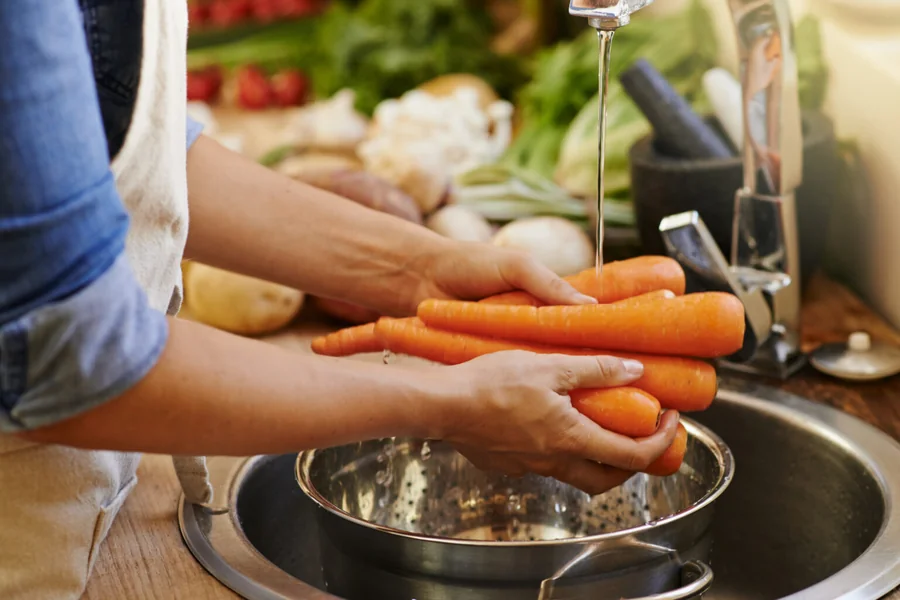
Restaurant hygiene is the backbone of a successful food service business. Customers trust that the meals served to them are prepared in a safe, clean environment. Maintaining high hygiene standards protects diners from foodborne illnesses, ensures compliance with health regulations, and helps build a strong reputation. From ingredient preparation to serving the final dish, every step in the process plays a role in maintaining a sanitary kitchen.
Here are some of the most important best practices restaurants should follow to ensure excellent hygiene from prep to plate.
Maintain Strict Personal Hygiene
Staff members are the first line of defense against contamination in the kitchen. Proper personal hygiene habits significantly reduce the risk of spreading bacteria and other harmful pathogens.
Employees should wash their hands frequently, especially after handling raw food, touching their face, using the restroom, or handling waste. Proper handwashing includes using warm water, soap, and scrubbing for at least 20 seconds.
In addition, restaurant staff should wear clean uniforms, hair restraints such as caps or nets, and disposable gloves when appropriate. Gloves should never replace handwashing but instead serve as an additional layer of protection when handling ready-to-eat food.
Regular training sessions can help staff stay informed about hygiene protocols and reinforce the importance of cleanliness in daily operations.
Proper Food Storage and Handling
Safe food handling is essential to preventing cross-contamination and foodborne illnesses. Restaurants should store ingredients at appropriate temperatures and in clearly labeled containers.
Raw meats, poultry, and seafood should always be stored separately from ready-to-eat foods to prevent contamination. Using designated cutting boards and utensils for different food categories is another effective way to reduce risks.
Additionally, following the “first in, first out” (FIFO) method helps ensure older ingredients are used before newer ones. This practice reduces food waste while also maintaining freshness and safety.
Temperature monitoring is also critical. Refrigerators and freezers should be checked regularly to ensure they are operating within safe temperature ranges.
Keep Kitchen Surfaces Spotless
Kitchen surfaces are constantly exposed to food particles, grease, and bacteria. Without consistent cleaning, these surfaces can quickly become a breeding ground for harmful microbes.
Food preparation counters, cutting boards, cooking equipment, and sinks should be cleaned and sanitized frequently throughout the day. Using food-safe cleaning products ensures surfaces are disinfected without introducing harmful chemicals into the food preparation area.
Floors and walls should also receive regular attention. Grease buildup on surfaces can create slip hazards and attract pests if not addressed promptly.
Many restaurants rely on specialized equipment, such as a hot pressure washer, to deep clean tough grease and grime from kitchen floors, outdoor areas, and heavy-duty equipment. This helps maintain a high level of sanitation while reducing the time needed for intensive cleaning tasks.
Implement a Strong Dishwashing System
Clean dishes and utensils are just as important as clean cooking spaces. An effective dishwashing system helps ensure that all plates, cutlery, and cookware are properly sanitized before reuse.
Restaurants should follow a three-step process: washing, rinsing, and sanitizing. Commercial dishwashers should reach the required temperatures to kill bacteria, while manual dishwashing stations should use approved sanitizing solutions.
Staff should also inspect dishes after washing to ensure no residue remains. Even small food particles left behind can compromise hygiene standards.
Drying racks should allow items to air dry instead of being wiped with cloths, which can potentially transfer bacteria.
Manage Waste Properly
Waste management is a critical but often overlooked component of restaurant hygiene. Food scraps, packaging materials, and other waste products must be handled carefully to prevent odors, contamination, and pest infestations.
Trash bins should be lined, covered, and emptied regularly throughout the day. Placing bins in convenient locations encourages staff to dispose of waste promptly rather than allowing it to accumulate in work areas.
Outdoor dumpsters should also be cleaned frequently to prevent buildup that can attract rodents or insects.
Establishing clear waste disposal procedures ensures that the kitchen remains organized and sanitary at all times.
Schedule Routine Deep Cleaning
Daily cleaning routines are essential, but periodic deep cleaning is equally important for maintaining a truly hygienic environment.
Areas that are harder to reach—such as behind equipment, ventilation systems, and storage shelves—should be cleaned on a regular schedule. Grease traps, exhaust hoods, and drains also require routine maintenance to prevent buildup and ensure proper operation.
Creating a detailed cleaning checklist helps ensure that no area of the restaurant is overlooked. Assigning specific tasks to staff members also promotes accountability and consistency.
Build a Culture of Cleanliness
Ultimately, maintaining excellent restaurant hygiene goes beyond checklists and equipment. It requires building a workplace culture that prioritizes cleanliness and food safety.
When managers lead by example and emphasize the importance of sanitation, employees are more likely to take pride in maintaining a clean workspace. Recognizing staff members who consistently follow hygiene standards can also encourage positive habits.
By committing to strong hygiene practices from prep to plate, restaurants can protect their customers, maintain regulatory compliance, and build lasting trust with diners. A clean kitchen not only supports food safety but also strengthens the reputation and success of the entire business.