
Ways Excessive Drinking Disrupts Clotting Balance and Underlines Therapy Necessity
A healthy clotting system protects the body from excessive blood loss while maintaining smooth circulation. This balance depends on a delicate interaction between platelets, clotting factors, and vessel integrity. Small disruptions can shift the system toward dangerous bleeding or unwanted clot formation.
Excessive alcohol intake interferes with these finely tuned mechanisms in subtle yet serious ways. Many individuals remain unaware of the cumulative impact until symptoms appear or complications arise. A clear understanding of these effects highlights why timely therapy and lifestyle changes carry real importance.
Altered Platelet Function and Reduced Efficiency
Platelets serve as the first responders during vascular injury, which forms a temporary plug to control bleeding. Heavy drinking reduces platelet production and impairs their ability to clump together effectively. As a result, even minor injuries can lead to prolonged bleeding episodes.
Chronic exposure further weakens platelet responsiveness to signals that trigger clot formation. This dysfunction increases vulnerability to bruising and internal bleeding. Medical assessment becomes essential when such signs persist, as early intervention can prevent serious outcomes.
Disruption of Clotting Factor Production
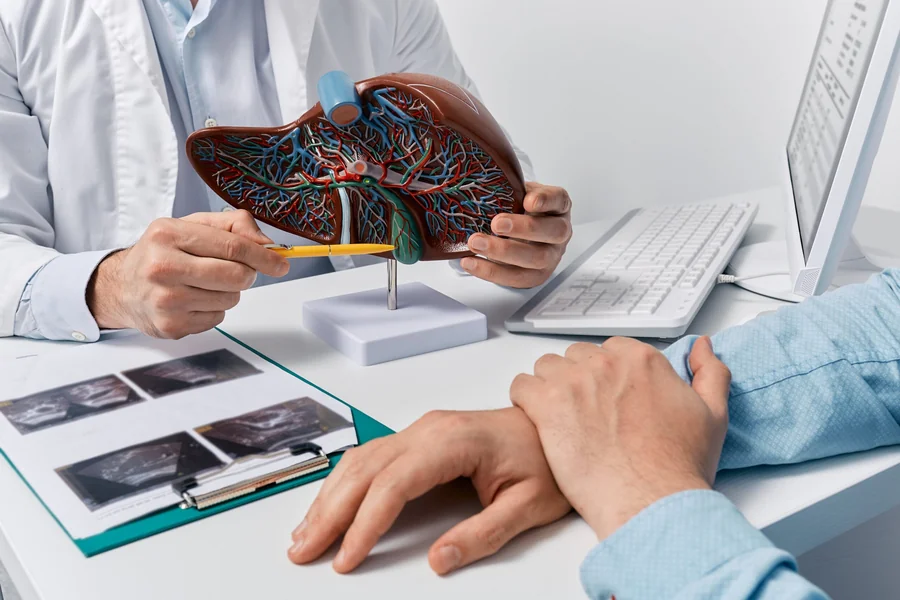
The liver produces most clotting factors required for proper coagulation. Excessive drinking places a significant burden on this organ, which gradually impairs its synthetic capacity. Reduced production of these proteins slows down the clotting cascade and compromises stability.
Severe liver strain may lead to conditions where clotting becomes unpredictable. Episodes of spontaneous bleeding or delayed clot formation may occur without warning. Therapeutic support, which includes targeted medication and nutritional guidance, helps restore partial balance and protect organ function.
Key Mechanisms Behind Clotting Imbalance
- Liver damage reduces essential clotting proteins and weakens blood regulation.
- Bone marrow suppression limits platelet production over time.
- Increased fibrinolysis breaks down clots faster than necessary.
- Nutritional deficiencies affect vitamin K levels, which are crucial for clotting.
These mechanisms rarely act in isolation. Combined effects intensify the imbalance, which makes medical monitoring a priority.
Symptoms That Signal Clotting Disturbance
- Frequent nosebleeds or bleeding gums without a clear cause.
- Easy bruising even after minor contact.
- Blood in urine or stool, which indicates internal bleeding.
- Extended bleeding after cuts or medical procedures.
Recognition of these signs supports early diagnosis. Prompt evaluation allows healthcare providers to tailor treatment before complications escalate.
Importance of Timely Therapeutic Intervention
Therapy plays a central role in correcting clotting disturbances linked to alcohol related damage. Treatment plans may include medications that enhance clot stability or supplements that address deficiencies. Medical supervision ensures that interventions align with the patient’s overall health condition.
Behavioral therapy also holds value in addressing excessive drinking patterns. Reduction or cessation improves liver recovery and restores hematological balance over time. Consistent follow-up strengthens long-term outcomes and reduces recurrence risk.
Long-Term Health Implications and Recovery Pathways
Unchecked clotting imbalance can lead to severe complications like hemorrhage or thrombosis. These conditions may affect vital organs and reduce the quality of life. Early recognition combined with structured care significantly improves prognosis.
Sustained recovery depends on lifestyle adjustments and medical adherence. Support systems, counseling, and nutritional planning contribute to gradual healing. Reintroducing healthy habits helps the body regain stability and resilience.
Thus, excessive drinking disrupts the body’s clotting system through multiple pathways that weaken both platelets and clotting factors. Recognizing symptoms early and seeking therapy prevents serious complications. Targeted treatment combined with lifestyle change restores balance and protects long-term health.