
How Dental Bridges Help Restore Confidence for Busy Families
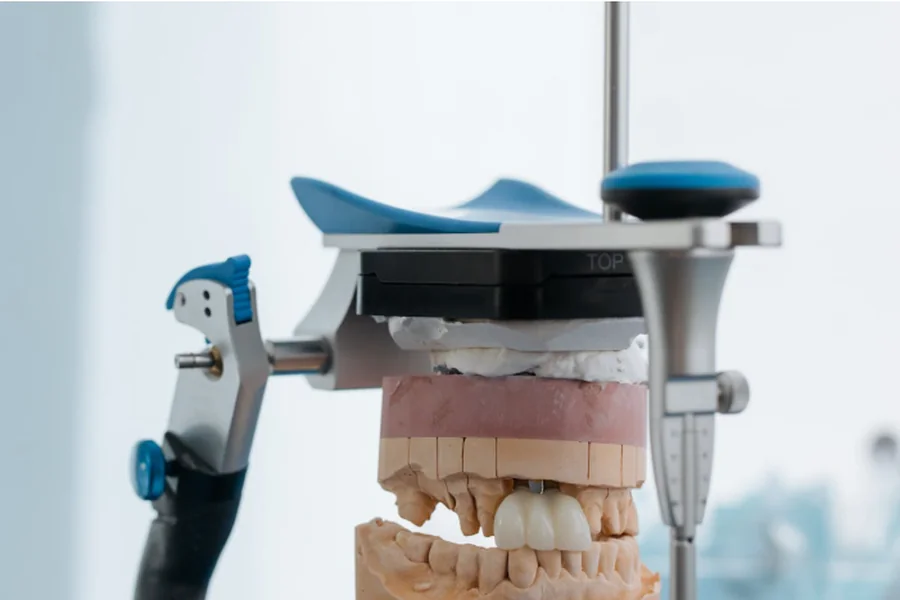
Picture this: a parent rushing to their child’s soccer game, smiling and cheering from the sidelines without a care in the world. For the 178 million Americans missing at least one tooth, that carefree confidence isn’t always so simple. According to the American College of Prosthodontists, tooth loss affects 36 million Americans completely, with partial tooth loss impacting nearly half the population by age 74. For individuals exploring restorative options, fixed dental bridges in Pittsburgh can help replace missing teeth and restore both function and confidence in everyday interactions.
What’s particularly striking is how missing teeth create a ripple effect that extends far beyond oral health. Research published in the Journal of Prosthetic Dentistry shows that adults with visible tooth gaps report 40% higher levels of social anxiety and are 60% more likely to avoid social situations entirely. For busy families juggling work, school activities, and daily responsibilities, this self-consciousness can compound stress in ways that affect the whole household.
The modern pace of family life demands solutions that work seamlessly in the background—reliable, durable, and aesthetically pleasing without requiring constant attention or maintenance disruptions. Dental bridges have evolved to meet exactly these needs, offering a sophisticated approach to tooth replacement that restores both function and confidence.
Understanding your options becomes crucial because the right choice affects not just how you eat and speak, but how you navigate everything from parent-teacher conferences to family photos. Here’s what current research and clinical advances reveal about making that choice effectively.
What Are Dental Bridges and Their Benefits for Families?
A dental bridge functions exactly as its name suggests—it bridges the gap created by one or more missing teeth using crowns attached to adjacent teeth or implants as anchors. Unlike removable dentures that require daily removal and special cleaning routines, bridges become permanent fixtures that function like natural teeth.
The appeal for busy families lies in their seamless integration into daily life. Consider the parent who discovers a cracked tooth needs extraction just weeks before their teenager’s graduation. A bridge can restore that smile without the extended healing time required for implants or the daily maintenance routine of removable options. Clinical studies from the International Journal of Prosthodontics demonstrate that patients adapt to bridges within 2-3 weeks, compared to 6-8 weeks typically needed for implant integration.
Modern bridge design addresses the specific challenges families face. Advanced materials like zirconia and layered porcelain create restorations that withstand the daily demands of family meals, from biting into fresh corn at summer barbecues to enjoying sticky caramel apples during fall festivities. The structural integrity means parents don’t need to worry about dietary restrictions that could complicate meal planning for the entire household.
Perhaps most importantly for family dynamics, bridges restore the natural speech patterns that missing teeth can disrupt. Parents report improved confidence during school presentations, work meetings, and social gatherings—eliminating the self-consciousness that can inadvertently affect how they engage with their children and community.
How Do Dental Bridges Work to Replace Missing Teeth?
The fundamental principle behind bridge function involves load distribution—spreading the forces of chewing and biting across multiple teeth rather than leaving gaps that can destabilize surrounding structures. When you bite into food, forces up to 200 pounds per square inch transfer through your teeth to the jawbone. Missing teeth create uneven pressure distribution that can cause adjacent teeth to shift, potentially affecting bite alignment and jaw joint function.
A bridge restores this biomechanical balance by creating a continuous surface for chewing while maintaining proper spacing between teeth. The prosthetic tooth (called a pontic) receives support from crowns cemented onto adjacent teeth, effectively recreating the original load-bearing capacity of the missing tooth.
This restoration of function extends beyond simple chewing. Speech clarity depends heavily on proper tongue positioning against teeth, particularly for sounds like “th,” “s,” and “f.” Research from the American Speech-Language-Hearing Association shows that strategic tooth replacement can eliminate speech impediments that develop after tooth loss, often within the first month of bridge placement.
Overview of the Traditional Dental Bridge Procedure
The bridge placement process typically unfolds across three appointments, designed to minimize disruption to busy family schedules. During the initial visit, your dentist prepares the abutment teeth (anchor teeth) by removing a small amount of enamel to accommodate the crowns that will support the bridge. This preparation requires local anesthesia, and most patients return to normal activities within 24 hours.
Digital scanning or traditional impressions capture the exact dimensions needed for bridge fabrication. A temporary bridge protects the prepared teeth and maintains aesthetics during the 2-3 week fabrication period. Modern dental laboratories use CAD/CAM technology to ensure precise fit and natural appearance, with some practices offering same-day bridge placement using in-office milling systems.
The final appointment involves removing the temporary bridge, testing the permanent restoration’s fit and bite alignment, and cementing it permanently. This process typically takes 60-90 minutes, with patients able to eat normally within a few hours as numbness subsides.
Role of Abutment Teeth and Bonding Techniques
Abutment teeth serve as the foundation for bridge success, requiring sufficient strength and healthy root structures to support additional load. Clinical guidelines recommend that abutment teeth have minimal existing dental work and healthy gum tissues for optimal long-term outcomes.
Modern bonding techniques have revolutionized bridge retention and longevity. Resin cements create chemical bonds with both natural tooth structure and bridge materials, while proper isolation techniques during placement ensure moisture-free environments essential for maximum bond strength. Research published in the Journal of Adhesive Dentistry indicates that contemporary bonding protocols achieve retention rates exceeding 95% over 10-year periods.
Maryland bridges represent an innovative bonding approach, using metal or ceramic wings that bond to the back surfaces of adjacent teeth without requiring crown preparation. This conservative technique preserves healthy tooth structure while providing excellent aesthetics for front tooth replacement, particularly appealing for younger family members who may need future tooth replacement options.
What Types of Dental Bridges Are Available?
Traditional fixed bridges represent the gold standard for most tooth replacement scenarios, offering proven durability and universal applicability. These bridges require crown preparation on adjacent teeth but provide exceptional strength for replacing molars that endure heavy chewing forces. Clinical success rates exceed 90% over 15-year periods, making them ideal for families seeking long-term solutions.
Cantilever bridges attach to just one adjacent tooth, useful when only one suitable abutment tooth exists next to the gap. While less common, they provide viable options in specific anatomical situations, particularly for replacing lateral incisors or premolars where minimal chewing forces occur.
Maryland bonded bridges offer conservative treatment for front teeth, requiring minimal tooth preparation while providing excellent aesthetics. These bridges work particularly well for teenagers and young adults, preserving natural tooth structure for potential future treatment options as dental technology continues advancing.
Implant-supported bridges combine the stability of dental implants with bridge design principles, ideal for replacing multiple adjacent missing teeth without involving natural teeth as anchors. Research from the International Journal of Oral & Maxillofacial Implants shows 98% success rates over 10 years, though treatment timelines extend 4-6 months due to implant integration requirements.
Materials Used in Dental Bridge Construction and Their Durability
Porcelain-fused-to-metal bridges have provided reliable service for decades, offering strength from metal substructures with aesthetic porcelain surfaces. While still widely used, these bridges can show metal margins over time and may not achieve the translucency of natural teeth under certain lighting conditions.
All-ceramic bridges utilizing zirconia or lithium disilicate materials now dominate aesthetic zones, providing strength comparable to metal while achieving superior color matching and light transmission. Advanced ceramics resist staining and wear, maintaining their appearance throughout years of coffee, tea, and wine consumption that characterize busy family lifestyles.
High-noble metal alloys containing gold and platinum offer exceptional biocompatibility and longevity, particularly for posterior bridges where aesthetics matter less than function. These materials resist corrosion and wear while providing gentle contact with opposing teeth, though their appearance limits use to non-visible areas.
Material selection increasingly depends on location-specific requirements. Front teeth demand superior aesthetics with moderate strength requirements, while back teeth prioritize durability over appearance. Modern practices often recommend zirconia for its versatility across both requirements.
Differences Between Fixed and Removable Bridges
Fixed bridges cement permanently to teeth or implants, becoming integral parts of your dental structure. They require no special cleaning routines beyond normal brushing and flossing, though floss threaders or water flossers help clean under bridge pontics. Fixed bridges never require removal for sleeping or eating, eliminating the social anxiety associated with removable appliances.
Removable partial dentures, while technically not bridges, serve similar functions at lower initial costs. However, they require daily removal for cleaning, may affect speech clarity during adjustment periods, and can feel bulky compared to fixed restorations. Bone remodeling under removable appliances often necessitates periodic adjustments or replacements.
The choice between fixed and removable options often depends on existing oral health conditions, number of missing teeth, and patient lifestyle factors. Fixed bridges excel when sufficient healthy teeth exist for support and patients prefer maintenance-free solutions that integrate seamlessly into busy lifestyles.
How Do Dental Bridges Compare to Dental Implants?
Treatment timeline represents the most significant difference between bridges and implants. Bridge placement typically completes within 3-4 weeks, while implant treatment extends 3-6 months due to osseointegration (bone integration) requirements. For families needing immediate restoration of function and aesthetics, bridges provide faster solutions.
Longevity research shows interesting patterns between the treatments. Individual implants demonstrate survival rates of 95-98% over 20 years, while bridges achieve 85-90% survival over 15 years. However, implant success depends heavily on patient factors like smoking, diabetes, and oral hygiene habits, while bridge success relates more to the health of supporting teeth.
Maintenance requirements differ substantially. Implants require the same hygiene as natural teeth—brushing and flossing—while bridges need specialized cleaning under pontic areas using floss threaders or water irrigation devices. Neither treatment requires the removal routines associated with dentures.
Cost considerations involve both initial investment and long-term value. Bridges typically cost $3,000-$5,000 per unit, while individual implants range $3,500-$6,000 including the crown. However, replacing three consecutive teeth might require three individual implants ($10,500-$18,000) compared to a single bridge ($4,500-$8,000), making bridges more economical for multiple adjacent missing teeth.
Bone preservation favors implants, which stimulate jawbone through chewing forces transmitted through the root-like implant structure. Bridges don’t provide this stimulation to the extraction site, potentially leading to gradual bone remodeling over decades, though this rarely creates functional problems within typical bridge lifespans.
What Are Key Considerations for Dental Bridge Maintenance and Longevity?
Daily hygiene protocols for bridges require slight modifications to standard brushing and flossing routines. The space under bridge pontics creates areas where food particles and bacteria can accumulate, potentially leading to gum inflammation or decay on supporting teeth. Floss threaders or specialized bridge floss with stiff ends allow cleaning under these areas, while water flossers provide additional irrigation benefits.
Professional maintenance becomes critical for long-term bridge success. Dental hygienists use specialized instruments to clean around bridge margins and under pontics during regular cleanings. Research from the Journal of Clinical Periodontology demonstrates that patients maintaining regular professional cleanings every 3-4 months show 85% better long-term bridge outcomes compared to those with irregular maintenance schedules.
Warning signs requiring immediate attention include persistent gum bleeding around bridge margins, sensitivity when biting, or feeling that the bridge moves slightly during chewing. These symptoms can indicate cement failure, decay on supporting teeth, or gum disease—all conditions that respond better to early intervention than delayed treatment.
Dietary considerations for bridge longevity involve avoiding extremely hard foods that can fracture ceramic materials or dislodge cement. Ice chewing, opening packages with teeth, and biting non-food objects create stress concentrations that can damage both natural teeth and bridge materials. However, normal family foods including fresh fruits, vegetables, and properly cooked meats pose no problems for well-made bridges.
Common complications include cement washout (affecting 15-20% of bridges over 10 years), secondary decay on abutment teeth (10-15% incidence), and porcelain chipping (8-12% of ceramic bridges). Most complications respond well to repair or recementation when caught early through regular dental monitoring.
Who Is a Good Candidate for Dental Bridge Treatment?
Abutment tooth health represents the primary factor determining bridge candidacy. Supporting teeth require healthy root structures, minimal existing dental work, and stable gum tissues. Teeth with large existing fillings, previous root canal treatment, or active gum disease may need additional treatment before bridge placement or might be better suited for implant-supported replacement.
Bite relationship analysis helps identify patients likely to experience long-term success. Heavy grinding or clenching habits (bruxism) can overload bridge structures, potentially leading to fracture or loosening. Patients with these habits often benefit from night guards to protect their investment, while severe cases might require alternative treatment approaches.
Age considerations involve both physical factors and lifestyle expectations. Younger patients with decades of expected bridge service may benefit from more conservative approaches that preserve natural tooth structure for future treatment options. Older patients often prioritize immediate function and comfort over long-term preservation strategies.
Medical history factors including diabetes, autoimmune conditions, and medications affecting healing or bone density can influence treatment timing and prognosis. Well-controlled diabetes doesn’t preclude bridge treatment, but uncontrolled blood sugar levels can impair healing and increase infection risk during the preparation phase.
Financial and time constraints affect treatment planning for busy families. Bridge treatment typically requires fewer appointments and shorter overall timelines compared to implants, making them attractive for families managing multiple schedules and competing financial priorities.
What Does Research Reveal About Dental Bridge Success and Advancements?
Long-term survival studies from the Journal of Prosthetic Dentistry tracking thousands of bridges over decades reveal fascinating patterns. Traditional three-unit bridges (replacing one tooth) show 15-year survival rates of 87-92%, while longer bridges replacing multiple teeth demonstrate slightly lower success rates due to increased complexity and force distribution challenges.
Material science advances have dramatically improved bridge performance over the past decade. Modern zirconia frameworks provide strength approaching that of natural teeth while maintaining excellent aesthetics. Research published in Dental Materials shows that contemporary all-ceramic bridges demonstrate wear patterns nearly identical to natural enamel, addressing previous concerns about excessive wear on opposing teeth.
Digital workflow integration has revolutionized bridge fabrication accuracy and efficiency. Intraoral scanners eliminate impression distortions while CAD/CAM systems enable precise margin fits and optimal contact relationships. Studies indicate that digitally designed bridges require 40% fewer adjustments at delivery compared to traditionally fabricated restorations.
Failure analysis research provides insights for improving outcomes. The most common causes of bridge failure include secondary decay (35% of failures), loss of retention (25%), and periodontal complications (20%). This data has driven improvements in cement formulations, margin design, and maintenance protocols that significantly improve long-term prognosis.
Clinical performance studies comparing different bridge types show interesting trends. Maryland bridges demonstrate excellent performance for single anterior tooth replacement with 10-year success rates exceeding 85%, while implant-supported bridges show superior performance for multiple tooth replacement scenarios, achieving 95%+ success rates over similar timeframes.
How Are Advancements Shaping the Future of Dental Bridge Design?
Biomimetic materials represent the cutting edge of bridge technology, with researchers developing ceramics that replicate not just the appearance but also the mechanical properties of natural tooth enamel. These materials flex slightly under chewing forces, reducing stress on supporting teeth while providing more natural function and feel.
Digital smile design integrates facial analysis, lip dynamics, and speech patterns to create bridges that complement individual facial characteristics. Advanced software analyzes how proposed restorations will appear during speaking and smiling, ensuring natural appearance across all facial expressions—particularly important for parents active in their children’s school and social activities.
Minimally invasive preparation techniques utilize advanced bonding materials to reduce the amount of natural tooth structure removal required for crown placement. Recent developments in adhesive dentistry suggest that future bridges may require even less tooth preparation, preserving more natural structure for potential future treatments.
Smart material integration represents an emerging frontier, with researchers developing bridge materials that can release fluoride or antibacterial agents to help prevent decay around margins. While still experimental, these materials could significantly reduce maintenance requirements and extend bridge lifespans.
3D printing applications are revolutionizing bridge fabrication, enabling custom material compositions for individual patients and clinical situations. Some dental practices now offer same-day bridge placement using chairside 3D printing systems, dramatically reducing treatment timelines while maintaining high precision and quality standards.
How Do Dental Bridges Affect Oral Health and Confidence in Daily Life?
Bite stability restoration through bridge placement prevents the tooth shifting that commonly occurs after tooth loss. When teeth shift to close gaps, the resulting changes in bite alignment can create jaw joint problems, uneven tooth wear, and difficulty chewing efficiently. Research from the American Academy of Orofacial Pain demonstrates that strategic tooth replacement can prevent 70% of post-extraction bite complications.
Speech clarity improvement often surprises patients who have adapted to speaking around missing teeth. Proper tooth positioning enables correct tongue placement for clear pronunciation, particularly important for parents who regularly communicate with teachers, coaches, and other parents in their children’s activities. Clinical studies show that 85% of patients report improved speech confidence within one month of bridge placement.
Jawbone preservation benefits occur indirectly through bridge placement. While bridges don’t directly stimulate bone like implants, they prevent the overloading of remaining teeth that can accelerate bone loss around those roots. Additionally, proper bite distribution reduces the trauma that can cause additional tooth loss and associated bone remodeling.
Confidence restoration extends far beyond physical function. Research published in the International Journal of Prosthodontics indicates that adults with restored smiles report 60% improvement in social confidence and 45% increased willingness to participate in social activities. For busy parents, this confidence improvement often translates to more active engagement in family activities, school events, and professional opportunities.
The psychological impact proves particularly significant for family dynamics. Parents report feeling more comfortable laughing with their children, participating in school activities, and pursuing career opportunities that require confident communication. The ripple effect of restored confidence often benefits the entire family through improved social connections and enhanced quality of life.
As dental bridge technology continues advancing through materials science, digital workflows, and biomimetic design principles, these restorations offer increasingly sophisticated solutions for busy families seeking reliable, long-lasting tooth replacement. The convergence of improved aesthetics, enhanced durability, and simplified maintenance makes modern bridges compelling options for restoring both function and confidence in family life’s demanding pace.