
What Cleaning Methods Are Safe for Delicate Vintage Leather Bags?
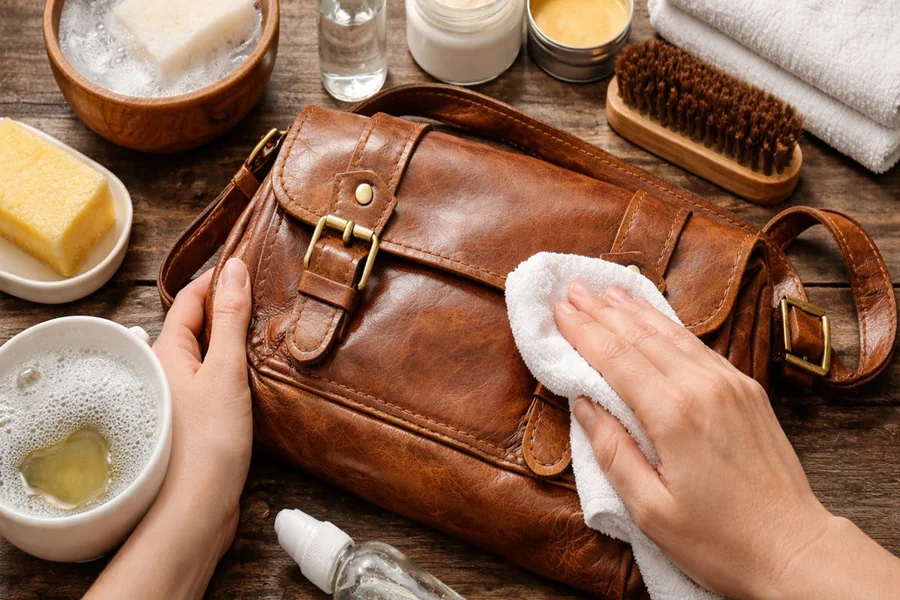
Vintage leather bags carry a unique charm that modern accessories often cannot match. However, these treasures require special care to preserve their beauty and structural integrity. Many owners worry about using the wrong products or techniques that could cause irreversible damage to delicate, aged leather.
Safe methods for vintage leather bags include gentle soap solutions, soft cloths, specialized pH-balanced cleaners, and proper moisture restoration techniques. The key lies in understanding which products protect rather than harm these precious items. Each step in the process matters, from the initial surface dust removal to the final protective treatment.
This guide explores proven approaches that respect the fragile nature of vintage leather. Readers will learn how to clean their bags without stripping essential oils or causing discoloration. The methods discussed focus on maintaining the original character of these items while extending their lifespan.
Use Castile soap diluted in water for gentle cleaning without stripping leather oils
Castile soap offers a plant-based solution for delicate, timeless vintage bags that require careful maintenance. This gentle cleanser works well because it contains natural oils that do not damage leather or remove its protective oils. The soap comes from vegetable sources rather than harsh chemicals, which makes it safer for aged materials.
A proper dilution ratio prevents damage to vintage leather. Mix one teaspoon of liquid castile soap with two cups of warm water in a bowl. This weak concentration provides enough cleaning power without oversaturating the leather or stripping away natural oils that keep the material supple.
Apply the solution with a soft, damp cloth rather than direct application to the bag. Gently wipe the leather surface in small sections, and use minimal pressure to avoid stretching worn areas. Test the mixture on a hidden spot first to check for any adverse reactions.
After cleaning, wipe the bag with a clean, slightly damp cloth to remove soap residue. Allow the leather to air dry completely away from direct heat or sunlight.
Apply a soft, damp microfiber cloth to wipe away surface dirt and dust
A soft microfiber cloth works best for delicate vintage leather bags because it lifts dirt without scratches. The cloth should be slightly damp, not wet. Too much water can damage old leather and cause stains.
Start by shaking the cloth outside to remove any lint or particles. Dampen it with clean water and wring it out well. The cloth should feel barely moist to the touch.
Gently wipe the leather surface in smooth, even strokes. Work in small sections and follow the natural grain of the leather. This method removes dust and light grime without harsh chemicals.
After each pass, fold the cloth to expose a clean side. Multiple cloths may be needed for larger bags or bags with more dirt. Let the leather air dry completely before storage or further treatment.
Utilize pH-balanced leather cleaners designed specifically for vintage materials
Vintage leather bags require gentle products that match the natural pH of leather. Most leather has a pH between 4 and 5, so cleaners with a pH range of 5 to 7 work best. These balanced formulas clean effectively without stripping away natural oils or damaging delicate fibers.
Regular household cleaners are too harsh for vintage leather. They contain chemicals that dry out the material and cause cracks or discoloration. Instead, collectors should choose leather-specific cleaners made for delicate or aged materials.
A proper pH-balanced cleaner removes dirt and grime while leaving no sticky residue behind. These products are typically water-based and non-toxic, which protects both the leather and the person who uses them. The formula works to lift dirt without harsh scrubbing that could harm fragile vintage surfaces.
Always test any cleaner on a small hidden area first. This simple step prevents unexpected damage to visible parts of the bag. Apply the product with a soft cotton cloth and use gentle pressure to clean the surface.
Condition with a high-quality leather cream to restore moisture and flexibility
Vintage leather bags need regular care to stay soft and supple. A quality leather conditioner works to restore moisture that the material loses over time. The product penetrates deep into the leather fibers to bring back flexibility and prevent cracks from forming.
Apply the conditioner after a thorough cleaning. Use a soft cloth to spread a thin, even layer across the bag’s surface. Focus on areas that show the most wear, but avoid putting on too much product at once.
Let the conditioner sit for about 15 to 20 minutes. This gives the leather time to absorb the treatment fully. The bag should feel slightly tacky during this period, which shows the material is soaking up the moisture.
Wipe away any excess conditioner with a clean cloth once the absorption time ends. Most vintage bags benefit from this treatment two to three times per year. However, bags stored in dry conditions may need more frequent applications.
Avoid harsh chemicals and excessive water to prevent leather damage
Vintage leather bags require gentle care because their age makes them more vulnerable to damage. Harsh chemicals like bleach, ammonia, or standard household cleaners strip away natural oils from the leather. This leads to cracking, fading, and permanent harm to the material.
Water poses another serious threat to delicate vintage leather. Too much moisture causes the leather to warp, develop stains, or lose its shape. If a vintage bag gets wet, owners should blot it gently with a soft cloth and allow it to air dry naturally away from heat sources.
The best approach uses pH-balanced leather cleaners designed specifically for delicate materials. A soft microfiber cloth dampened with a small amount of cleaner works well for most dirt and grime. Light pressure and gentle motions protect the leather’s surface texture.
Owners should always test any cleaning product on a hidden spot first. This simple step reveals whether the cleaner will cause discoloration or damage before applying it to visible areas.
Conclusion
Vintage leather bags deserve gentle care that protects their delicate materials. A soft approach with pH-balanced cleaners or castile soap keeps these treasures in good condition. Regular conditioning prevents cracks and dryness while proper storage shields them from damage. These simple methods help leather bags last for many more years without harm to their unique character.