
Preserve the Luxe: Simple Ways to Keep Your Clothes Looking New
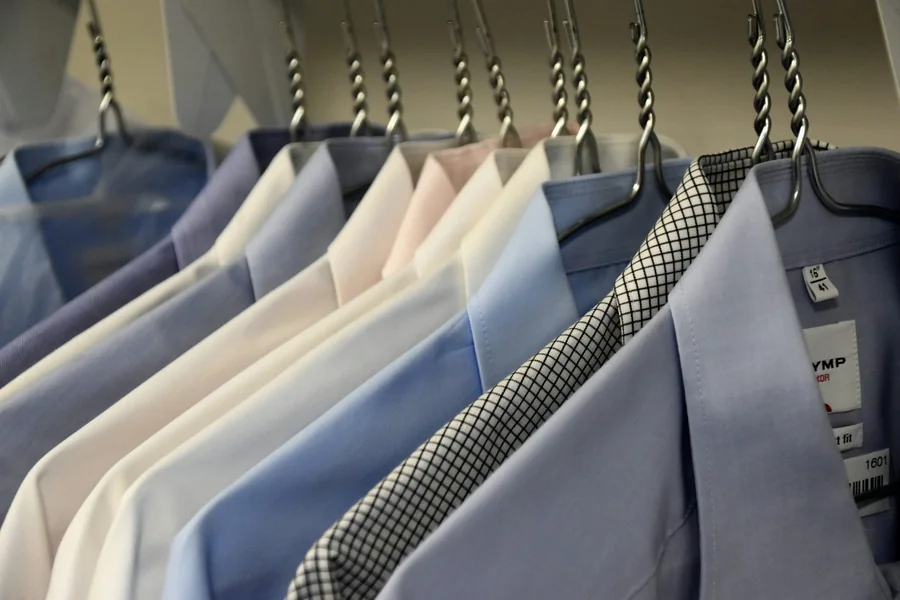
Clothes are expensive. Even when you swear you’re “just grabbing a few basics,” the total somehow climbs higher than expected. You bring everything home, hang it up, and admire it for a second. It all looks crisp, sharp, and full of promise.
Then life happens. Laundry piles up. You’re tired after work. You toss everything in together and hope for the best. A few weeks later, that deep black tee looks washed out. The sweater you loved feels a little stretched. And you stand there thinking, how did this wear out so fast? Keeping clothes looking new isn’t about obsessing over every thread. It’s about small habits that protect what you paid for. For instance, it involves:
- Smarter washing
- Better storage
- Knowing when something needs professional care
Slowing down long enough to treat a stain before it settles in for good.
Wash With a Plan, Not on Autopilot
Laundry tends to become muscle memory. It feels efficient, but your clothes quietly pay the price. Sorting matters more than people admit. Dark fabrics bleed. Light fabrics absorb. Delicates get roughed up when they’re thrown in with heavy towels and denim. Taking two extra minutes to separate loads protects color and texture in a real way.
Turn darker pieces inside out before washing. Friction happens during every cycle. The outside of the garment takes the hit. Flipping it reduces fading and that worn, fuzzy look that shows up too soon.
Know When to Trust a Professional
Some pieces are low maintenance. Others are not. Structured jackets, silk blouses, wool coats, tailored trousers. These items have layers, linings, and shapes that can collapse under the wrong conditions. Professional cleaners understand fabric behavior. They know how to remove stains without stripping color or damaging texture. Hallak Cleaners is one example people turn to when they want investment pieces handled with care. They specialize in couture dry cleaning, delicate fabric care, expert alterations, and offer complimentary pick-up and delivery for added convenience.
Handing something over can feel unnecessary at first. You might think, “I can probably manage this myself.” Then you remember the sweater that shrank or the blazer that never quite looked the same again. Certain items deserve expertise. Choosing professional care for the right garments is not dramatic. It is practical.
Store Clothes Like They Matter
A crowded closet does more damage than you think. Sleeves get crushed. Shoulders lose their shape. Fabrics crease in ways that never fully smooth out, no matter how much you steam them later. You stand there wondering why everything looks slightly off.
Wire hangers are rough on heavier pieces. They leave dents and pull at the shoulders until the structure gives in. Wooden or padded hangers hold jackets and coats the way they’re meant to sit. Knits deserve better than a slow stretch toward the floor, so fold them and let them rest. Clothes need space. When everything is jammed together, fabric rubs against fabric. Wrinkles sink in deeper. Textures start to look tired. Giving your pieces a little breathing room keeps them looking sharper without much effort.
Treat Stains Immediately, Not Eventually
Stains don’t look serious at first. A splash of coffee. A drop of sauce. You glance at it and think, it’s small, I’ll deal with it tonight. Then tonight turns into tomorrow, and that tiny spot settles in like it pays rent.
Handling it right away saves you the headache. Gently blot the area with a clean cloth. Press, lift, repeat. Rubbing feels productive, but it only drives the stain deeper into the fabric. That quick panic scrub usually makes things worse. Keep a fabric-friendly stain remover somewhere easy to grab. No digging through drawers while the mark spreads. Test it on a hidden seam before treating the spot. That simple check protects the color and keeps you from trading one problem for another.
Rotate Your Favorites
We all have that one piece we overuse. The jeans that fit just right. The hoodie that feels like a security blanket. The black boots that somehow work with everything. You reach for them without thinking because they’re reliable. Over time, that constant rotation shows. Knees start to thin out. Fabric softens in a way that feels less luxe and more worn down. Shoes crease deeper and lose structure. You look at them one day and think, wait, when did these start looking tired?
Clothes need a break. Fabric needs time to recover its shape. Elastic needs a moment to bounce back. Shoes need air to dry out and reset between wears. Rotating your wardrobe spreads the stress around, so no single piece carries all of it.
Choose Quality at the Start
Fast fashion is tempting. Low price tags feel like a win in the moment. The fabric looks decent under bright store lights. The cut seems close enough. You tell yourself it’ll do. Then, after a few washes, reality shows up. Pilling at the sides. Faded color. Seems that twist slightly so the shirt never hangs straight again. You feel annoyed, maybe even a little fooled.
Quality doesn’t mean buying the most expensive item on the rack. It means paying attention. Check the fabric content. Feel the weight of the material in your hands. Look at the stitching. Are the seams straight and secure? Does it hold its shape when you move it?
Keeping clothes looking new isn’t about perfection. You’re going to make mistakes. Something will shrink. A stain will set before you catch it. That’s normal. What matters is building habits that protect what you own. Washing with intention. Choosing quality when you can. Rotating pieces so nothing gets overworked. Treating stains quickly instead of pretending they’ll disappear on their own. Easing up on the dryer even when you’re tired and just want everything done.
These choices aren’t dramatic. They’re steady. They add up quietly over time. Your clothes carry moments. Interviews. Dinners. Random weekdays when you needed to feel a little more put together than you actually felt. Taking care of them is a way of respecting those moments and yourself.