
The Evolution of the Urban Core: Blending Historic Districts with Modern Safety
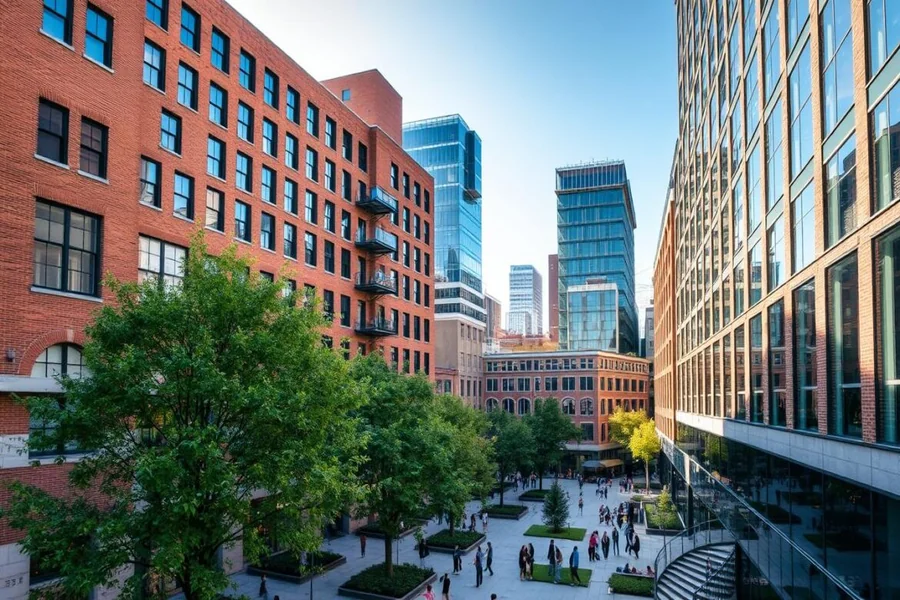
As cities evolve into dense, highly walkable cultural hubs, the statistical risk of public medical emergencies naturally rises. In dynamic neighborhoods like Edmonton’s Old Strathcona, prioritizing civilian emergency education ensures these historic arts districts remain safe, resilient, and prepared for the unexpected.
There is a very specific, magnetic energy that defines a truly great city. You feel it most heavily in historic cultural hubs. Places where century-old brick facades meet the neon glow of modern theaters, and the steady hum of weekend foot traffic replaces the sound of cars. This is the new era of urban planning: walkable, hyper-dense, and unapologetically vibrant.
But as we pour more life into our urban cores, we have to look closely at the invisible infrastructure that keeps them beating. The reality of a bustling arts and entertainment district is that more people mean more potential for medical crises. When thousands of residents and tourists converge on a single area, the standard “call 911 and wait” strategy simply isn’t enough. This is exactly why securing CPR training near Whyte Ave has moved from a niche workplace requirement to an absolute modern necessity for local business owners, festival staff, and everyday urbanites.
What is the Math Behind High-Density Neighborhoods?
Urban planners love to champion the concept of the “15-minute city,” where your groceries, entertainment, and work are all within a short walk. Edmonton’s Old Strathcona is essentially the gold standard for this lifestyle in Western Canada. However, higher population density creates a highly unique challenge for public health and emergency services.
Think about the sheer volume of humanity moving through a four-block radius on a Friday night. You have patios overflowing, crowded live music venues, and people lined up down the block for late-night food. Statistically speaking, when you gather that many diverse people—representing all ages and underlying health conditions—the likelihood of a sudden cardiac arrest, a severe allergic reaction, or a choking incident skyrockets. The math is undeniable.
Why Do “15-Minute Cities” Need Civilian First Responders?
We often assume that because we are in the middle of a major city, help is only seconds away. That is a dangerous illusion. Paramedics navigating a massive ambulance through festival barricades, heavy pedestrian traffic, and narrow historic streets face obstacles that simply do not exist out in the quiet suburbs.
In these high-traffic zones, the bystander is the actual first responder. If a patron collapses at a local pub, the first four minutes dictate their chance of survival. A community that is trained to act aggressively before the sirens are even heard is what makes a district truly world-class. You are the bridge between the sudden drop in blood pressure and the arrival of advanced life support.
How is Urban Resilience Changing?
When we talk about urban resilience, we usually focus on physical things. We talk about better street lighting, wider crosswalks, or flood management. But true resilience comes down to human capital. What are the people on the street actually capable of doing for one another?
A resilient neighborhood is one where the barista knows how to perform the Heimlich maneuver. It is an area where the boutique owner knows exactly where the nearest public Automated External Defibrillator (AED) is located. We are seeing a massive cultural shift where civic duty goes far beyond picking up litter. It now includes taking ownership of the physical safety of the people sharing your sidewalk.
How Are Arts and Entertainment Venues Adapting?
Old Strathcona is famous for its massive events, like the Fringe Festival, which draws hundreds of thousands of visitors. Event organizers and venue managers are waking up to their physical liabilities. They can no longer cross their fingers and hope everyone stays hydrated and healthy.
- Mandatory Staff Education: Top-tier venues are now making basic medical literacy a baseline requirement for their core teams. Security guards and floor staff are being sent to get certified before the busy summer season kicks off.
- Visible Safety Tech: You are starting to see AEDs mounted on the walls of local theaters and independent coffee shops, rather than just hidden away in sterile corporate lobbies.
- Community Confidence: When patrons see that a venue takes emergency preparedness seriously, it builds an incredible amount of trust. They feel cared for, which translates directly to long-term customer loyalty.
Does the “Blended Learning” Model Fit the Urban Hustle?
The biggest hurdle to getting a neighborhood trained is always time. Small business owners on the Ave do not have two full days to spare sitting in a classroom. The modern city runs fast, and education models have to keep up.
This is where the “Blended Learning” format has completely revolutionized safety education. You handle the deep-dive theory online at your own pace. You can click through modules about stroke symptoms or wound care while sitting on a park bench or during a quiet morning shift. Then, you simply drop into a local facility for a highly streamlined, hands-on skills session to practice your chest compressions. It respects the pace of the city.
Is Your Neighborhood Ready for the Unexpected?
We spend so much time enjoying the culture of our historic districts. It is time we start actively protecting the people who create that culture. Stepping up to learn these skills is the ultimate love letter to your community.
If you are looking for first aid training near Whyte Ave, the historic Old Strathcona district, or are willing to cross the river to areas around Jasper Avenue close to our facility, then you may reach out to Coast2Coast First Aid/CPR – Edmonton in that area. Taking this step ensures that our vibrant streets remain a safe place for everyone. For more info and articles like this visit: https://www.c2cfirstaidaquatics.com/
FAQs About Urban Preparedness
- Does CPR training cover all ages found in a public district?
Yes, a Standard First Aid or CPR Level C course covers specific rescue techniques for adults, children, and infants. This ensures you are ready to help any demographic you might encounter on a busy street.
- Is there always an AED available in cultural districts?
While not on every corner, many local businesses, community centers, and theaters now have Automated External Defibrillators on-site. Training teaches you how to quickly locate and deploy them.
- How long does a safety certification last in Alberta?
Certifications are typically valid for three years under provincial OHS guidelines. However, many urban professionals choose to do a brief annual refresher to keep their physical skills sharp.
- Can I take a course if I don’t work in a high-risk industry?
Absolutely. The vast majority of people who take these courses are everyday residents, parents, and office workers who simply want to be capable of helping their neighbors in a crisis.
- Are bystanders legally protected if they try to help?
Yes. In Alberta, the Emergency Medical Aid Act (often referred to as a Good Samaritan law) protects individuals from liability when they voluntarily step in to provide reasonable assistance during an emergency.