
Why 60V Cordless Battery Backpack Sprayers Are Gaining Popularity
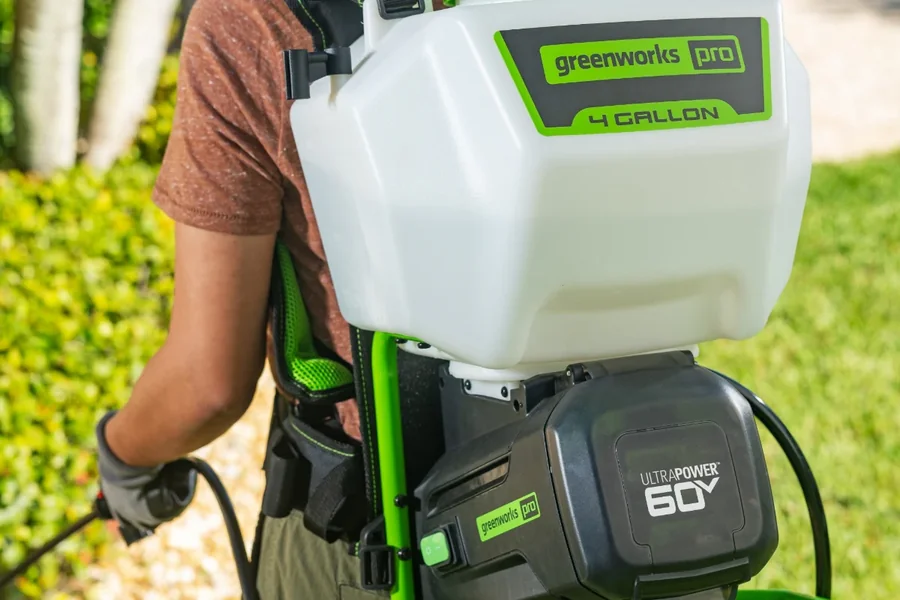
For years, professionals and dedicated homeowners relied on two main options for large-scale spraying: the shoulder-straining manual pump or the noisy, exhaust-fuming gas engine. However, the landscape of property maintenance is shifting rapidly toward electrification. As battery technology matures, we are seeing a significant migration toward high-voltage systems. Specifically, the 60V Cordless Battery Backpack Sprayer has become the go-to choice for those who need professional-grade pressure without the mechanical headaches of internal combustion.
This shift isn’t just about following a trend; it’s about efficiency. When you are managing a large landscape, the last thing you want is to stop every few minutes to manually prime a pump or struggle with a pull-start cord. The 60V platform offers a “sweet spot” in power delivery, providing enough torque to maintain consistent PSI even when using dense liquids or long-range nozzles.
The Evolution of Liquid Application Technology
In my fifteen years covering the landscaping and outdoor power equipment industry, I’ve watched tools evolve from heavy iron to lightweight lithium. Early battery sprayers were often underpowered 12V or 18V units. While they worked for small flower beds, they lacked the “throw” required for tall trees or expansive perimeter treatments.
The introduction of the 60V architecture changed the calculation. By increasing the voltage, manufacturers can draw less current to achieve the same power, which reduces heat and extends the life of the motor. This technical leap is why we see a surge in adoption across both residential and commercial sectors.
Consistent Pressure: The Professional’s Secret Weapon
One of the primary reasons users are making the switch is pressure consistency. With a manual pump, your spray pattern fluctuates. It starts strong and weakens as the air pressure in the tank drops, leading to uneven application of fertilizers or herbicides.
A high-voltage cordless system utilizes an internal diaphragm pump that remains constant. Whether your tank is full or nearly empty, the nozzle output remains identical. This ensures that you aren’t over-applying chemicals in one area and under-applying in another, saving you money on consumables and protecting your plants.
Ergonomics and Operator Comfort
Carrying four to five gallons of liquid on your back is a physical challenge. Traditional sprayers often neglected the suspension system, leading to lower back pain and shoulder fatigue. Modern 60V units are designed with “pro-sumer” ergonomics in mind.
Most high-end models now feature padded, moisture-wicking harnesses and chest straps that distribute the weight across your hips rather than just your shoulders. Because there is no vibration from a gas engine, the “tingling” sensation in the hands and back a common complaint with gas rigs is completely eliminated.
Why 60V Outperforms Lower Voltage Alternatives
You might wonder if a 20V or 40V system is “good enough.” While lower voltage tools have their place, the 60V platform offers distinct advantages for heavy-duty tasks:
- Higher Flow Rates: You can utilize wider fan tips for faster coverage.
- Vertical Reach: If you need to spray dormant oil on fruit trees or reach a second-story soffit, the 60V motor provides the necessary lift.
- Longevity: Because the motor doesn’t have to work as hard to move the liquid, the internal components typically last longer.
Cost-Benefit Analysis: Gas vs. Battery
While the initial investment in a battery ecosystem can be higher, the total cost of ownership (TCO) tells a different story.
- Fuel Savings: You aren’t buying ethanol-free gas or mixing 2-cycle oil.
- Maintenance: There are no spark plugs to gap, no air filters to clog with pollen, and no carburetors to gum up during winter storage.
- Uptime: You simply slide in a charged battery and pull the trigger. There is no “warm-up” period or troubleshooting a cold engine.
Choosing the Right Nozzle for the Job
A common mistake many make is using the same nozzle for every application. To get the most out of your high-voltage sprayer, you should match your tip to your objective:
- Adjustable Cone: Best for spot-treating weeds where you need to switch between a stream and a fine mist.
- Fan Tip: Ideal for “blanket” applications of liquid fertilizer or pre-emergents on turf.
- Pin Stream: Necessary for reaching high branches or distant fence lines.
Best Practices for Maintaining Your 60V Sprayer
To ensure your equipment lasts for a decade or more, a little preventative maintenance goes a long way. Always triple-rinse your tank after using corrosive chemicals. Leftover residue can harden inside the pump housing or the wand, leading to clogs.
I recommend running a gallon of clean water through the system after every use. Additionally, store your lithium batteries in a climate-controlled environment. Extreme heat or freezing temperatures are the primary enemies of battery longevity.
Common Mistakes to Avoid
Even with the best equipment, user error can lead to poor results. Here are the most frequent blunders I see in the field:
- Leaving Chemicals Overnight: Many herbicides are acidic and can degrade rubber seals if left to sit.
- Ignoring the Filter: Most backpack units have a small filter at the base of the tank or inside the handle. If your pressure drops, check here first.
- Over-tightening Caps: You only need a snug fit to create a seal; cranking down on the lid can deform the O-ring.
Environmental and Neighborhood Benefits
Beyond the personal efficiency gains, 60V cordless tools are “good neighbor” machines. They operate at a fraction of the decibel level of gas units. You can start your yard work at 7:00 AM on a Saturday without waking the entire block. Furthermore, the lack of localized emissions makes them a much healthier choice for the person actually wearing the backpack.
Decision Guide: Is a 60V Sprayer Right for You?
If you have a standard suburban lot (less than 1/4 acre), a handheld 1-gallon sprayer might suffice. However, if any of the following apply, the 60V backpack is the superior choice:
- You have more than 10,000 square feet of turf.
- You have a large number of ornamental trees or a home orchard.
- You frequently perform “perimeter pest control” around your foundation.
- You struggle with the physical act of manual pumping.
Conclusion
The transition to 60V cordless technology represents a maturity in the outdoor power equipment market. We are no longer making compromises for the sake of “going green.” These tools simply perform better, last longer, and provide a more comfortable user experience than their predecessors. By investing in a high-voltage platform, you are buying back your time and ensuring that your property maintenance is handled with professional precision.
Frequently Asked Questions
How long does a 60V battery last in a backpack sprayer?
Depending on the Amp-hour (Ah) rating of your battery and the pressure setting used, you can typically spray between 50 and 100 gallons of liquid on a single charge. For most residential users, one battery will last through several weekends of work.
Can I use bleach or harsh disinfectants in these sprayers?
You must check the manufacturer’s manual for seal compatibility. Many 60V units use Viton seals, which are highly resistant to chemicals, but some concentrated “hot” mixes may require specialized equipment.
Is the backpack too heavy when full?
A full 4-gallon tank weighs roughly 33-35 pounds. However, because the 60V models use advanced harness systems, the weight is distributed to your hips, making it feel significantly lighter than a 2-gallon handheld bottle carried in one hand.
Can I use my 60V sprayer battery in other tools?
Yes, one of the biggest advantages of the 60V platform is interchangeability. The same battery that powers your sprayer can usually power your leaf blower, string trimmer, or even a lawn mower within the same brand ecosystem.