
Rethinking Pantry Layouts Through the Lens of Cleanliness and Control
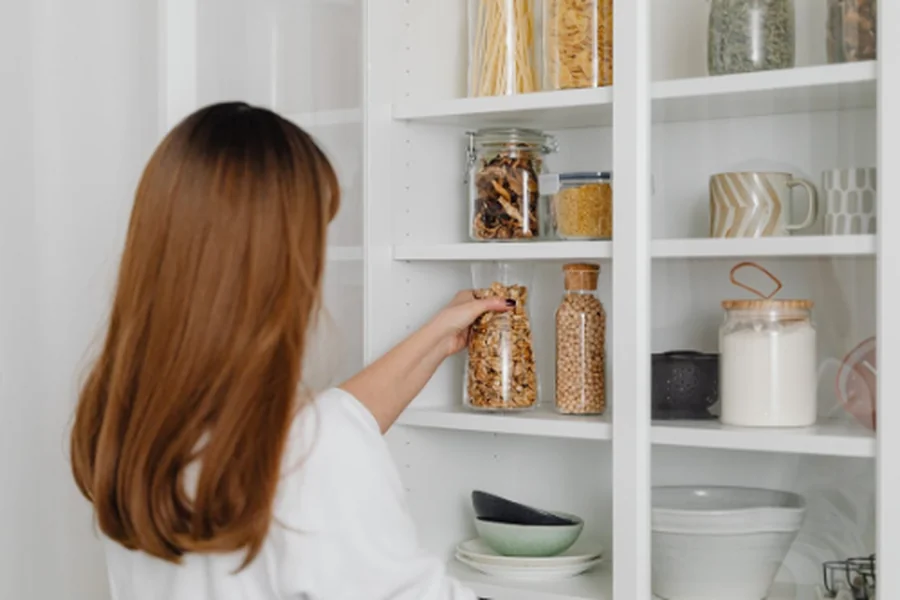
Pantries have a funny way of pretending everything is fine. Doors close, shelves look full, and from the outside, it feels like everything is under control. Open it for a minute, though, and the story changes fast. Half-open packets leaning sideways, crumbs hiding in corners, expired items quietly sitting behind newer ones. A pantry doesn’t fall apart overnight. It slowly drifts into chaos, and most layouts actually encourage that drift without anyone realizing it.
Homeowners are no longer satisfied with just “organized enough.” There’s a push toward layouts that keep things visible, easy to track, and hard to ignore. Picture a space where every shelf gives a clear view, nothing gets buried, and even small messes stand out immediately. Such control changes how often the pantry gets used, how food is stored, and how quickly issues get handled.
Access for Inspection and Early Intervention
A pantry can look neat and still hide a mess just out of sight. Deep shelves and tight corners create perfect blind spots where spills, crumbs, and forgotten items settle in without any attention. Everything at the front looks fine, which makes it easy to assume the rest is fine too. Meanwhile, the back of the shelf tells a completely different story, one that only shows up when something gets moved weeks later.
Opening up that space changes everything. A layout that allows quick scanning from front to back removes the guessing game; there’s no need to pull out five containers just to see what’s behind them. Easy access means problems get spotted early, whether it’s a torn packet, sticky residue, or signs of unwanted activity. Speaking of which, it’s not unusual for homeowners to spot ants all over their shelves and even food if they’re negligent about pantry cleanliness. In situations like these, professional ant control services should be considered right away. They know how ants behave and how to get rid of them, so you don’t have to worry about them repeatedly.
Creating Sealed Zones for Better Control
A pantry without clear zones turns into a free-for-all pretty quickly. Open snack bags end up next to bulk grains, loose packaging touches sealed items, and crumbs find their way into places they shouldn’t be. Everything starts merging into one cluttered system where tracking anything becomes a hassle.
Breaking the pantry into sealed sections brings a sense of order that sticks. Dry goods stay protected, frequently used items get their own space, and nothing crosses into another zone without intention. Think of it like giving every category its own boundary. Once that structure is in place, the pantry feels less like a storage dump and more like a controlled environment where nothing drifts out of place.
Container Choices That Support Cleanliness
Bags tear, boxes collapse, and once opened, they stop protecting what’s inside. A shelf filled with mismatched packaging quickly turns messy, even if everything was placed neatly to begin with. Movement alone is enough to create clutter.
Switching to consistent containers changes the experience entirely. Clear, sealed containers keep contents visible and contained at the same time: no guessing, no spills, no awkward stacking. A row of uniform containers instantly brings visual calm while quietly handling the practical side of cleanliness.
Why Corners Become Problem Areas
Corners have a habit of turning into storage graveyards. Items get pushed there with the intention of using them later, and then they just stay there. Out of sight turns into out of mind pretty quickly. However, those spaces collect dust, crumbs, and forgotten items that no one checks until something forces attention.
A smart layout treats corners differently. Instead of letting them become dead zones, they can be opened up or used for items that need less frequent access but remain visible. Lazy shelves, angled storage, or even just keeping corners lightly stocked can prevent buildup. Once corners stop being ignored, the entire pantry feels easier to manage.
Shelf Spacing and Visibility
Stacking items might feel like a space-saving move, but it creates more problems than it solves. Boxes hide behind boxes, smaller items disappear under larger ones, and suddenly, half the pantry becomes invisible. A shelf packed tightly often leads to overbuying simply because what’s already there can’t be seen.
Spacing shelves with intention changes how everything is used. Each item gets breathing room, making it easy to scan the shelf in seconds. No digging, no rearranging, no surprises. A pantry that shows everything clearly reduces waste, cuts down on clutter, and keeps the space feeling controlled without constant effort.
Risks of Floor-Level Storage
Floor-level storage often feels like an easy way to create extra space, especially in smaller pantries where every inch counts. A few baskets or bulk items placed at the bottom seem harmless at first, yet that area tends to collect more than just stored goods. Dust settles faster, crumbs fall from higher shelves, and any unnoticed spill eventually makes its way down. Items placed there quietly absorb everything happening above them, and since that space isn’t checked as often, problems sit longer than they should.
Raising the storage slightly off the ground changes how the entire pantry behaves. Even a simple shelf or platform keeps items within view and reduces exposure to what gathers below. Picture a pantry where nothing sits directly on the floor, where every item can be scanned without bending down into a shadowed corner.
Labeling for Long-Term Order
A pantry without labels often turns into a guessing game. Containers look similar, packaging gets removed, and suddenly no one remembers what’s inside which jar. Opening multiple containers just to find one ingredient slows everything down and increases the chances of leaving things open or misplaced. This confusion creates clutter because items stop returning to their original spots.
Proper labeling brings a sense of structure that holds up even during busy days. Imagine grabbing exactly what’s needed without second-guessing or opening extra containers. Labels act like quiet guides, keeping everything in its place without constant rearranging.
Airflow and Freshness
Stagnant air can trap moisture, especially in tightly packed or enclosed spaces. As such, that creates a slightly damp environment where items don’t stay as fresh as they should, and surfaces may develop subtle residue or odor.
Allowing space for airflow changes how the pantry feels and functions. Shelves that aren’t packed too tightly and have slight gaps between containers help keep the environment balanced. Picture opening a pantry that feels fresh instead of stale, where items stay dry, and surfaces remain clean. This level of control doesn’t come from cleaning alone; it comes from how the space is structured.
A pantry that feels clean and controlled rarely gets that way through effort alone. Structure plays the bigger role. Once access, visibility, and organization come together, the space starts managing itself in a way that feels natural. Small decisions in layout carry a lasting impact, shaping how the pantry functions every single day.