
Understanding Your Options With Dental Implants
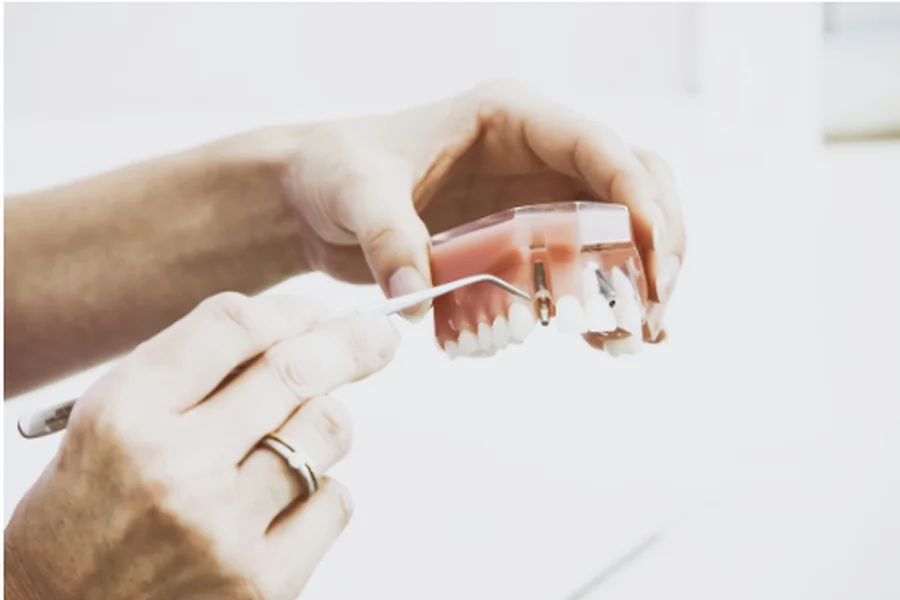
According to the American Dental Association’s 2024 clinical practice guidelines, dental implants now boast a 95% success rate over ten years — a remarkable achievement that has transformed them from an experimental procedure to the gold standard for tooth replacement. Yet despite this proven track record, many patients still approach implant decisions with outdated assumptions about pain, cost, and complexity that date back decades.
The dental implant landscape has evolved dramatically in recent years. New materials, refined surgical techniques, and innovative placement methods have expanded options for patients who previously weren’t candidates. Today’s implant systems can address everything from single tooth replacement to full-mouth reconstruction, often with shorter healing times and more predictable outcomes than ever before.
For anyone considering implants — whether replacing a single tooth lost to trauma or exploring alternatives to ill-fitting dentures — understanding the available options has real consequences. The choices made during initial consultation often determine not just immediate comfort and function, but long-term oral health outcomes for decades to come. The key lies in matching the right implant type and approach to individual circumstances, bone structure, and lifestyle factors that influence success.
What Are the Main Types and Materials of Dental Implants?
The foundation of any successful implant treatment starts with selecting the appropriate type and material for each patient’s unique situation. Modern implant dentistry offers several distinct categories, each designed to address specific anatomical challenges and functional needs.
Endosteal implants represent the most common choice, accounting for roughly 90% of all placements. These titanium screws integrate directly into the jawbone, mimicking natural tooth roots. They work best for patients with adequate bone density and height — typically requiring at least 10mm of vertical bone and 6mm of width. The cylindrical or tapered design allows for excellent primary stability during healing.
Subperiosteal implants serve patients who lack sufficient bone for traditional endosteal placement but want to avoid extensive bone grafting. These custom-fabricated metal frameworks sit on top of the jawbone beneath the gum tissue. While less common today due to advances in bone grafting techniques, they remain valuable for specific cases where anatomy or medical conditions limit other options.
For patients seeking comprehensive solutions, all-on-4 dental implants have revolutionized full-arch replacement by strategically placing four implants to support an entire set of teeth. This approach often eliminates the need for bone grafting by utilizing available bone more efficiently, with angled posterior implants that bypass anatomical limitations.
Mini implants, roughly half the diameter of standard implants, offer solutions for narrow spaces or areas with limited bone volume. They’re particularly useful for stabilizing lower dentures or replacing small teeth like lateral incisors. However, their reduced surface area means they’re best suited for lighter functional loads.
Material selection significantly impacts long-term success. Titanium remains the gold standard due to its exceptional biocompatibility and proven osseointegration properties. Grade 4 commercially pure titanium and titanium alloy (Ti-6Al-4V) both demonstrate excellent bone bonding, with decades of clinical research supporting their reliability.
Zirconia has emerged as a compelling alternative, particularly for patients with metal sensitivities or those prioritizing aesthetics in the front of the mouth. This ceramic material offers excellent biocompatibility and a tooth-colored appearance that won’t show through thin gum tissue. However, zirconia’s relative newness means less long-term data compared to titanium, and its brittleness requires careful case selection.
The surface treatment of implant materials also influences integration. Modern implants feature textured surfaces created through sandblasting, acid etching, or plasma spraying. These modifications increase surface area and promote faster, stronger bone attachment compared to smooth surfaces used in earlier generations.
How Are Dental Implants Placed and What Does Recovery Look Like?
Understanding the placement process helps set realistic expectations and prepare for each phase of treatment. Modern implant surgery follows a systematic approach designed to maximize success while minimizing discomfort and healing time.
Step-by-Step Dental Implant Placement Process
The surgical procedure begins with comprehensive planning using 3D imaging to map bone structure and identify optimal implant positions. This digital planning phase has revolutionized accuracy, allowing surgeons to virtually place implants before making the first incision.
Local anesthesia renders the procedure comfortable, though sedation options are available for anxious patients. The surgeon creates a precise incision in the gum tissue and prepares the bone with graduated drills, starting small and incrementally increasing to the final implant diameter. This careful preparation prevents overheating that could damage bone cells.
Implant placement involves threading or tapping the titanium post into the prepared site with controlled torque. Achieving proper primary stability — the initial mechanical grip in bone — is crucial for successful healing. The surgeon then places a healing cap or temporary restoration depending on the treatment plan.
Immediate placement procedures occur at the time of tooth extraction, potentially reducing treatment time from months to weeks. However, this approach requires excellent bone quality and absence of infection at the extraction site. Not all situations allow for immediate placement, particularly when extractions involve damaged or infected bone.
Bone grafting becomes necessary when insufficient bone volume exists for stable implant placement. Minor grafts using synthetic bone substitute can often be performed simultaneously with implant placement. More extensive defects may require staged procedures, with grafting completed months before implant surgery to allow proper healing and bone maturation.
The surgical site receives careful suturing to promote healing and protect the implant during the critical early integration period. Modern techniques emphasize maintaining blood supply and minimizing tissue trauma to support faster recovery.
Phases and Timeline of Recovery After Implant Surgery
Osseointegration — the biological process where bone cells grow onto and bond with the implant surface — represents the most critical phase of healing. This process typically requires 3-6 months, varying based on bone quality, implant location, and individual healing factors. Lower jaw implants generally integrate faster due to denser bone structure compared to the upper jaw.
Immediate post-operative care focuses on managing inflammation and protecting the surgical site. Patients can expect some swelling and discomfort for 3-5 days, typically manageable with over-the-counter pain medications. Ice application during the first 24 hours helps control swelling, while avoiding hard or chewy foods protects the healing tissues.
The two-week mark usually brings soft tissue healing and suture removal. At this point, the implant site should be comfortable with minimal swelling. However, the underlying osseointegration process continues invisibly for several more months.
Around 8-12 weeks, bone formation becomes evident on x-rays as new bone density increases around the implant threads. This radiographic evidence, combined with clinical stability testing, helps determine readiness for the final restoration phase.
Final restoration typically occurs 3-6 months after implant placement, once osseointegration is complete. The healing cap is removed and an abutment — the connector piece between implant and crown — is attached. Impressions are taken for custom crown fabrication, usually completed within 2-3 weeks.
Modern healing protocols emphasize gradual loading of the new implant. Starting with softer foods and progressively returning to normal function allows the bone-implant interface to strengthen under controlled stress.
What Factors Affect Success Rates and Long-Term Outcomes?
Research consistently demonstrates that certain patient factors and treatment variables significantly influence both immediate implant success and long-term durability. Understanding these variables helps set realistic expectations and optimize treatment planning.
Bone quality and quantity emerge as the most predictive factors for success. The Lekholm and Zarb classification system rates bone from Type I (dense cortical) to Type IV (minimal cortical with low-density trabecular bone). Type I and II bone typically show success rates exceeding 98%, while Type IV bone may experience slightly higher failure rates, particularly in the posterior upper jaw where bone density is naturally lower.
Systemic health conditions significantly impact healing and long-term maintenance. Diabetes, when well-controlled, doesn’t preclude implant success, but uncontrolled diabetes with HbA1c levels above 8% correlates with increased failure rates and slower healing. Similarly, bisphosphonate medications used for osteoporosis treatment require careful timing, as they can interfere with bone remodeling around implants.
Smoking represents one of the most modifiable risk factors, with studies showing 2-3 times higher failure rates in smokers. The mechanism involves reduced blood flow and compromised immune response that impairs both initial healing and long-term maintenance. Patients who quit smoking at least 8 weeks before surgery and remain tobacco-free during healing show success rates approaching those of non-smokers.
Surgical technique and experience influence outcomes substantially. Studies tracking implant survival based on surgeon experience show learning curves that plateau after approximately 50-100 cases. Proper site preparation, achieving adequate primary stability, and maintaining sterile technique during surgery all correlate with higher success rates.
Implant location affects long-term outcomes, with anterior mandibular sites showing the highest success rates (approaching 99%) due to excellent bone quality and favorable loading conditions. Posterior maxillary sites experience slightly higher failure rates due to lower bone density and greater functional stress. The maxillary sinus proximity also creates anatomical challenges requiring careful planning.
Loading protocols impact early success significantly. Traditional delayed loading after 3-6 months of healing shows the highest success rates. Immediate loading — placing a crown immediately after implant placement — can succeed in carefully selected cases but requires excellent primary stability and favorable bite relationships. Early loading (6-8 weeks post-placement) offers a compromise approach for appropriate cases.
Research from longitudinal studies indicates that properly placed and maintained implants show 15-year survival rates of 89-95%. However, survival doesn’t necessarily mean problem-free function. Approximately 10-15% of successful implants develop technical complications like loose screws or chipped crowns that require maintenance over time.
Patient compliance with maintenance strongly correlates with long-term success. Regular professional cleanings, proper home care, and addressing problems early prevent most implant complications. Studies tracking patients over 10+ years show that those maintaining consistent professional care experience significantly fewer complications than those with irregular follow-up patterns.
Prosthetic factors also influence outcomes. Crown-to-implant ratios exceeding 1.5:1 create unfavorable leverage that may contribute to technical complications. Proper occlusion — ensuring even bite forces across all teeth — prevents overloading that can cause implant components to loosen or fracture.
How Should You Maintain Dental Implants and What Is Their Impact on Oral Health?
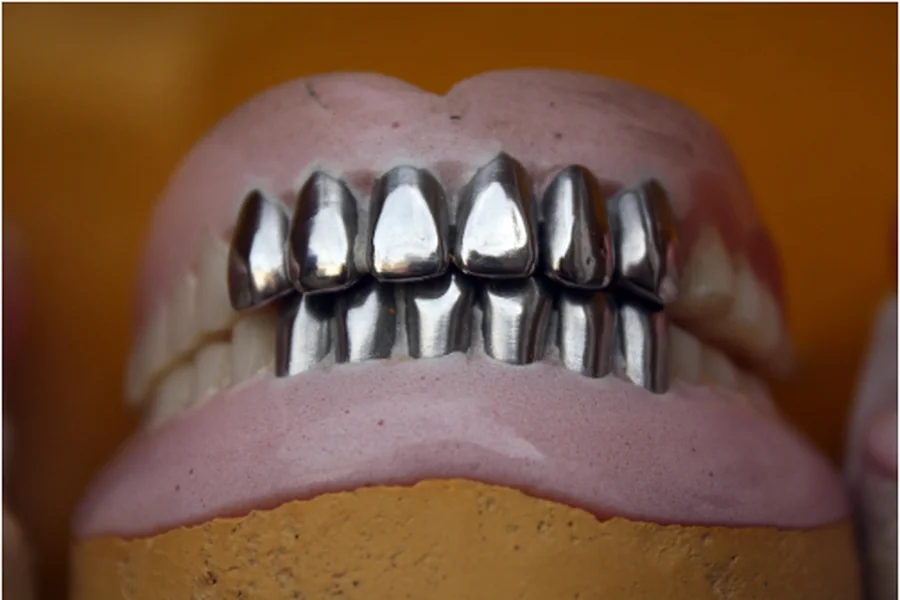
Successful long-term implant function depends on understanding that while implants can’t develop cavities, they remain vulnerable to inflammatory diseases that can compromise their foundation. Effective maintenance requires a different approach than natural tooth care, focusing primarily on controlling bacterial populations around the implant-gum interface.
Peri-implant health parallels periodontal health around natural teeth but with important differences. The attachment between implant and gum tissue lacks the strong connective tissue fibers found around natural tooth roots. This weaker seal makes implants more susceptible to bacterial invasion if plaque accumulates, potentially leading to peri-implant mucositis (gum inflammation) or peri-implantitis (bone loss around the implant).
Daily home care centers on mechanical plaque removal rather than chemical interventions. Soft-bristled brushes work best, as medium or hard bristles can scratch implant surfaces and create areas for bacterial adherence. Electric toothbrushes with pressure sensors help maintain gentle but thorough cleaning without damaging delicate gum tissues.
Interdental cleaning becomes critical around implants, particularly for crown and bridge restorations that create hard-to-reach areas. Water flossers effectively flush bacteria from deeper pockets around implants, while specialized interdental brushes can clean around abutments and beneath bridge connections. Traditional dental floss works well for single implant crowns but may be difficult to maneuver around more complex restorations.
Professional maintenance requires specialized tools and techniques. Titanium and plastic instruments replace metal scalers used on natural teeth, preventing scratches to implant surfaces that could harbor bacteria. Ultrasonic cleaning devices with specialized tips can safely remove calculus buildup without damaging implant materials.
Monitoring protocols typically involve clinical examination and radiographs every 3-6 months during the first year, then annually thereafter for stable cases. Professional cleanings often occur every 3-4 months initially, as the implant-gum interface takes time to mature and stabilize. Patients with history of gum disease may require more frequent monitoring throughout their maintenance phase.
Beyond preventing complications, implants contribute significantly to overall oral health preservation. Unlike removable dentures that can accelerate bone loss through pressure and movement, implants stimulate jawbone through normal chewing forces. This stimulation helps maintain bone density and facial structure over time.
Functional improvements from implant treatment often cascade into better overall health. Restored chewing ability allows patients to return to nutritious but challenging foods like fresh vegetables, whole grains, and lean proteins that may have been difficult with missing teeth or unstable dentures. Studies tracking nutritional status before and after implant treatment show measurable improvements in vitamin and mineral intake.
The psychological benefits of stable, secure tooth replacement shouldn’t be underestimated. Research indicates that patients with implant-supported teeth report higher confidence in social eating situations and improved quality of life scores compared to those with conventional dentures. This confidence often translates into better social engagement and adherence to healthy eating patterns.
Implants also protect adjacent teeth from the consequences of tooth loss. When a space remains unfilled, neighboring teeth tend to drift and tilt into the empty area, creating bite problems and cleaning difficulties. Replacing the missing tooth with an implant maintains proper spacing and alignment throughout the mouth.
For patients replacing multiple teeth, implant-supported restorations often improve speech clarity compared to traditional dentures. The stable foundation eliminates clicking sounds and prevents the loose movement that can affect pronunciation of certain sounds.
What Are Common Misconceptions and Real Risks of Dental Implants?
Despite widespread success, persistent myths about implant treatment continue to influence patient decisions, often preventing individuals from pursuing beneficial care. Understanding both the unfounded fears and legitimate risks allows for more informed treatment choices.
Common Dental Implant Myths Debunked
The belief that implant surgery is extremely painful tops the list of patient concerns, yet this rarely reflects modern reality. Most patients report that implant placement feels similar to having a tooth extracted, with discomfort typically manageable through over-the-counter pain medications for 2-3 days. Advanced anesthetic techniques and minimally invasive surgical approaches have dramatically reduced post-operative discomfort compared to procedures performed decades ago.
Age-related misconceptions often deter older adults from pursuing treatment, with many believing they’re “too old” for implant surgery. However, biological age matters more than chronological age. Healthy patients in their 80s and 90s successfully receive implants, while younger patients with uncontrolled systemic diseases may face higher risks. The deciding factors involve healing capacity and overall health status rather than calendar age alone.
The myth that implants always require extensive bone grafting stems from outdated treatment protocols. While some cases benefit from grafting, modern implant designs and placement techniques often work with existing bone structure. Shorter implants, angled placement, and alternative approaches like zygomatic implants can address bone limitations without extensive grafting procedures.
Cost misconceptions frequently involve comparing implant fees to less expensive alternatives without considering long-term value. While initial implant investment exceeds the cost of bridges or dentures, the lifespan difference often makes implants more economical over time. Bridges typically require replacement every 10-15 years and compromise adjacent healthy teeth, while implants can last decades with proper care.
Some patients fear that implants will set off metal detectors or interfere with medical imaging. Titanium implants contain too little metal to trigger security systems, and modern MRI protocols accommodate implant materials without image distortion. However, patients should always inform healthcare providers about implant presence before medical procedures.
The concern that implants feel artificial or uncomfortable reflects experiences with earlier implant systems. Modern implants, when properly integrated and restored, feel virtually identical to natural teeth. Patients often report forgetting which teeth are implants after the adjustment period, particularly with single-tooth restorations.
Potential Complications and How They Are Managed
Surgical complications occur in fewer than 5% of cases but require recognition and proper management. Nerve injury represents the most serious immediate risk, particularly in the lower jaw where the inferior alveolar nerve runs close to posterior implant sites. Careful pre-surgical planning with 3D imaging minimizes this risk, but numbness can occur and may persist for weeks or months in rare cases.
Sinus perforation during upper jaw implant placement happens occasionally when insufficient bone separates the implant site from the maxillary sinus. Small perforations often heal spontaneously, while larger ones may require grafting procedures to establish proper separation before implant placement can proceed.
Infection at implant sites affects 1-2% of placements, typically appearing within the first few weeks after surgery. Early infections usually respond to antibiotic therapy and improved oral hygiene, but severe cases may require implant removal. Patients with compromised immune systems or poor oral hygiene face elevated infection risks.
Implant failure can occur immediately due to poor integration or years later due to overloading or maintenance issues. Early failures often result from inadequate primary stability, infection, or medical factors that impair healing. Late failures typically involve mechanical overload, peri-implantitis, or component fracture from normal wear over time.
Mechanical complications affect the restorative components rather than the implant itself. Screw loosening occurs in approximately 5-10% of cases, usually due to settling during the first year of function. Ceramic crowns may chip or fracture, particularly on implants experiencing heavy bite forces. Most mechanical problems can be repaired without affecting the underlying implant.
Peri-implantitis — inflammatory bone loss around functioning implants — represents the most serious long-term complication. Research suggests this condition affects 10-20% of implants and 20-40% of patients over 5-10 years. Early stages respond to non-surgical debridement and improved hygiene, while advanced cases may require surgical intervention or, in severe situations, implant removal.
Prevention strategies significantly reduce complication risks. Comprehensive medical and dental history review identifies patients who may benefit from antibiotic prophylaxis or modified protocols. Smoking cessation, diabetes control, and pre-treatment of gum disease optimize healing conditions. Proper implant sizing and positioning based on thorough planning prevents most mechanical complications.
For patients considering implant treatment, the key lies in realistic risk-benefit analysis rather than fear-based decisions. While complications can occur, the overwhelming majority of patients experience successful, long-term function that justifies the initial investment. Working with experienced practitioners who maintain current skills and equipment further minimizes risks while maximizing the likelihood of excellent outcomes that last for decades.
The decision to pursue implant treatment should be based on individual circumstances, realistic expectations, and thorough understanding of both benefits and risks. For most patients with missing teeth, implants offer the closest approximation to natural tooth function available in modern dentistry, with success rates and longevity that continue to improve as techniques advance.