
How to Spot Garage Issues Before They Turn into Expensive Repairs
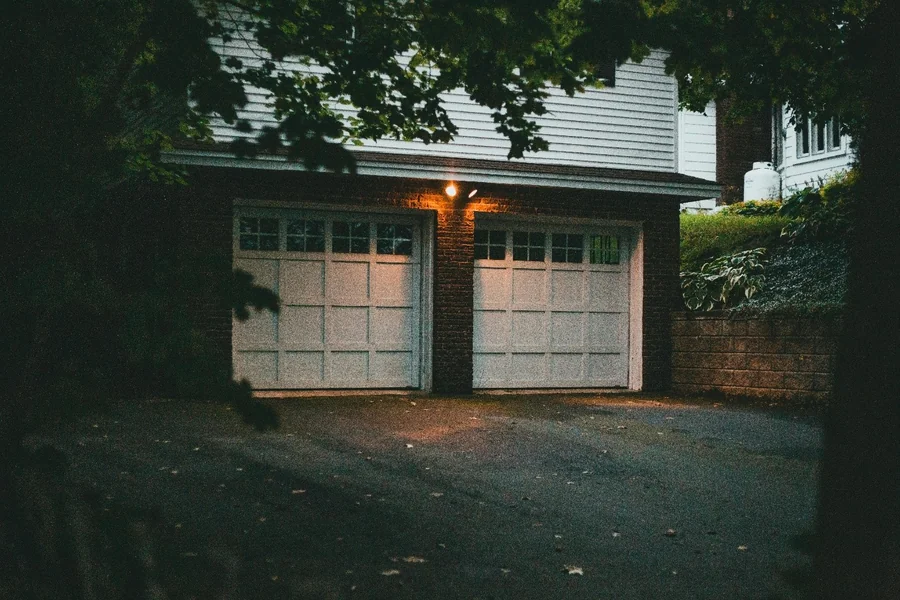
You hear that small grinding noise when the garage opens, pause for a second, then let it go because you are already late. It is easy to ignore, especially when everything still works, at least for now.
Most homeowners do this more than they admit. Garage systems tend to sit in the background, doing their job until something clearly breaks. But the signs usually show up earlier, just not in ways that feel urgent. And that is where things get missed.
Early Signs Most People Overlook
The first signs are rarely dramatic. The door still opens, still closes, but something feels slightly off. Maybe it moves more slowly than usual, or stops for a second before continuing. Sometimes it sounds louder, or uneven, like parts are working harder than they should.
These changes are easy to explain away. Weather, age, maybe just a rough day. But small inconsistencies often point to wear inside the system.
When these minor shifts are caught early, it is often much simpler to address them before they lead to structural damage or sudden operational failures. Homeowners who notice gradual changes in their door’s speed or alignment can benefit from scheduling a professional garage door repair Syracuse to evaluate and correct the issue before it escalates into an emergency.
Rollers might be wearing down, tracks could be slightly misaligned, or springs may be losing tension. Not everything fails all at once, which is why they get ignored.
Understanding the Door System
Most garage door systems are designed to handle daily use without much attention, which is part of the problem. Because they are reliable, people assume everything inside is fine as long as the door moves.
A typical overhead door has several parts working together: springs, cables, tracks, rollers, and the opener itself. When one part starts to wear, the others compensate for a while. That compensation is what you often hear or feel first. A slight delay, a shift in movement, or a change in sound.
If you take a closer look at how your system behaves over a few days, patterns start to show. The door might lean slightly when closing or hesitate at a certain point. These are small things, but they usually mean something inside is under stress. When it gets to a point where the issue is obvious, the damage has often spread. That is when repairs become more involved. For homeowners trying to understand what is happening with their setup, these early signs can make a real difference if they are taken seriously instead of being brushed aside.
Movement Tells You More Than You Think
Watching how the garage door moves can tell you more than inspecting it up close. A smooth system should open and close in a steady, balanced way. There should not be jerks, pauses, or uneven motion.
If the door looks like it is pulling to one side, even slightly, it often means the tension is uneven. Springs or cables might be wearing differently, which puts extra strain on the whole system. Over time, this strain leads to bigger issues.
There is also the matter of speed. A door that suddenly moves faster or slower than usual is not just changing its behavior for no reason. Something inside is adjusting, often because a component is weakening or slipping. These are not urgent signs on their own, but they are early warnings. Ignoring them usually means the system will correct itself until it cannot.
The Sounds You Start to Tune Out
Noise is one of the most common signs, but also the most ignored. People get used to the sound their garage makes, even when it changes gradually.
A well-functioning system should produce a consistent, low-level sound. Grinding, squeaking, or rattling noises usually point to friction or loose parts. It might be as simple as needing lubrication, or it could be something deeper, like worn rollers or misaligned tracks.
The tricky part is that noise often increases slowly. It does not happen overnight, so it feels normal after a while. But if you think back and realize it was quieter before, that is usually a sign worth checking. Listening closely once in a while can catch problems early. It sounds simple, but most people do not do it until the noise becomes too loud to ignore.
When Small Delays Start Adding Up
Delays are another subtle sign. You press the button, and the door takes a second longer than usual to respond. Or it stops briefly midway, then continues. At first, this seems minor. It still works, so it does not feel like a problem. But delays often point to resistance somewhere in the system. The opener might be working harder than it should, or the door itself might not be moving freely. Over time, these delays can lead to strain on the motor or other components. What starts as a small hesitation can turn into a full breakdown if left alone. It is not about reacting to one slow response. It is about noticing if it becomes a pattern.
Spotting early issues does not require technical knowledge. It comes down to paying attention to small changes and taking them seriously. If something feels different, it usually is. The goal is not to fix everything yourself. It is to recognize when something is starting to go wrong. That awareness alone can save time, money, and a fair amount of frustration later on.