
Cleanliness as Infrastructure: Why Hygiene Is Central to Modern Food Systems
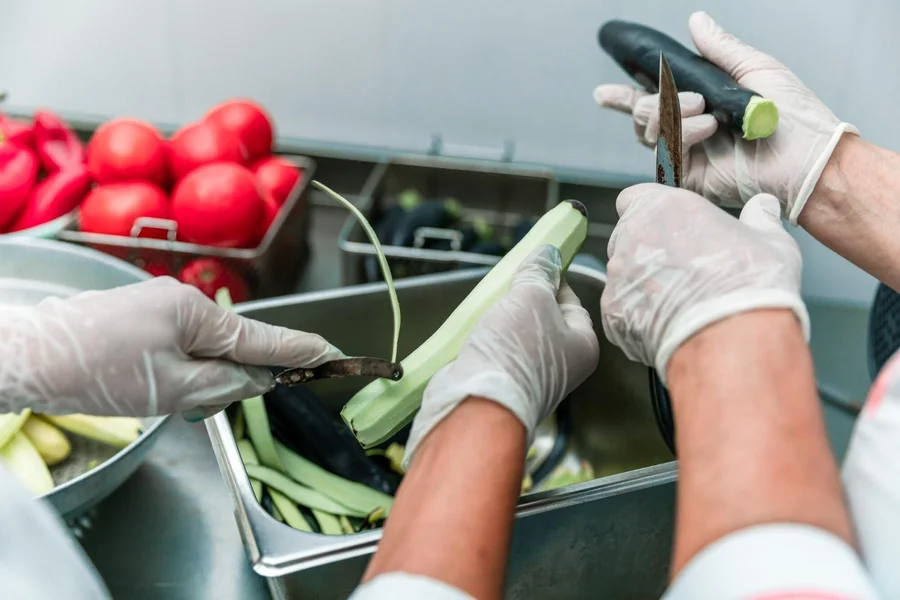
When people think about food systems, they often picture supply chains, ingredients, or distribution networks. What tends to be overlooked is something far less visible but equally critical: cleanliness. Not as a surface-level concern, but as a form of infrastructure, an operational layer that supports everything from safety and compliance to efficiency and trust.
In modern food environments, hygiene is not an afterthought. It is built into processes, workflows, and equipment in ways that determine whether a system functions reliably or begins to break down.
The Shift From Task to System
Historically, cleaning in food environments was treated as a routine task, something that happened at the end of a shift or in response to visible mess. Today, that approach is no longer sufficient.
Food systems have become more complex, more regulated, and more interconnected. A single point of failure can have far-reaching consequences, affecting not just one facility but entire supply chains. As a result, hygiene has evolved from a reactive activity into a structured system.
This system operates continuously. It includes scheduled sanitation protocols, clearly defined responsibilities, and specialised equipment designed to maintain consistent standards. The goal is not simply to remove dirt, but to reduce risk at every stage of production and handling.
Why Hygiene Is Foundational, Not Optional
At its core, food safety depends on controlling contamination. This includes biological hazards such as bacteria, as well as chemical and physical risks that can compromise product integrity.
These risks are not static. They emerge from daily operations, handling raw ingredients, processing, packaging, and transport. Without consistent hygiene practices, even well-designed systems become vulnerable.
This is why cleanliness functions as infrastructure. It underpins every other aspect of the operation.
In practice, this means that food businesses invest not only in processes but also in the tools required to implement them effectively. Equipment plays a crucial role in ensuring that cleaning is thorough, repeatable, and aligned with industry standards. In that context, solutions such as a commercial pressure washer for the food industry are not simply about efficiency, they are part of a broader strategy to maintain hygienic conditions across surfaces, machinery, and workspaces.
When hygiene is treated as infrastructure, it becomes embedded in the way a facility operates, rather than something added on top of it.
The Operational Reality of Clean Environments
Maintaining high hygiene standards in food environments is not a one-time effort. It is a continuous process that must adapt to the realities of daily operations.
Surfaces are exposed to moisture, organic matter, and temperature fluctuations. Equipment is used repeatedly, often at high volumes. Even small lapses can create conditions where contaminants accumulate.
To manage this, facilities rely on structured workflows. Cleaning schedules are integrated into production cycles. High-risk areas receive more frequent attention. Staff are trained to follow specific protocols, ensuring that hygiene is maintained consistently rather than sporadically.
The effectiveness of these systems depends on precision. It is not enough to clean regularly, the cleaning must be appropriate for the environment, the materials involved, and the level of risk.
Efficiency and Hygiene Are Closely Linked
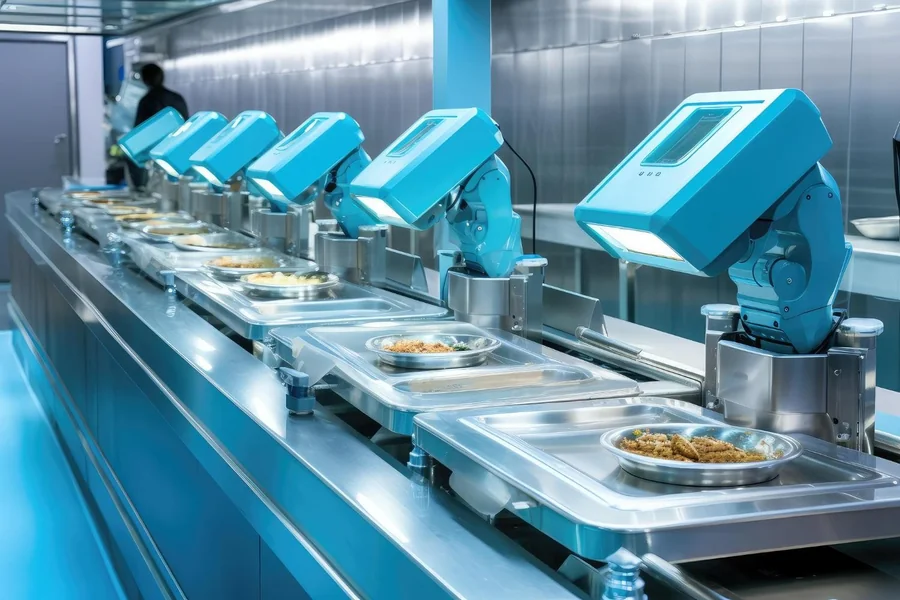
There is a common misconception that hygiene slows operations down. In reality, the opposite is often true.
Well-maintained environments reduce the likelihood of disruptions. Equipment that is cleaned properly functions more reliably. Surfaces that are kept in good condition are less prone to damage or contamination. This stability supports smoother workflows and reduces the need for reactive interventions.
From an operational perspective, hygiene contributes to efficiency by minimising uncertainty. When standards are consistently maintained, there is less need for corrective action, inspections become more predictable, and processes can run with greater confidence.
This is particularly important in large-scale food systems, where even minor inefficiencies can have significant cumulative effects.
What Global Guidance Emphasises
The importance of hygiene as a foundational element of food systems is reinforced by international guidance. The World Health Organization highlights that safe food handling practices, including proper cleaning and sanitation, are essential in preventing foodborne illness and protecting public health.
This guidance reflects a broader understanding: food safety is not achieved through isolated actions, but through integrated systems that address risk at multiple levels.
Cleanliness is one of the most visible aspects of these systems, but its role extends far beyond appearance. It is a primary mechanism for controlling variables that would otherwise compromise safety.
Beyond Compliance: Building Trust
While regulatory compliance sets the baseline for hygiene standards, many food businesses are moving beyond minimum requirements. The reason is simple: consumer expectations have changed.
People are more aware of how food is produced and handled. Transparency, even when indirect, influences trust. Clean environments, whether visible to customers or not, play a role in shaping that perception.
Investing in hygiene is therefore not just about meeting regulations. It is about maintaining credibility in a competitive market.
Facilities that prioritise cleanliness signal reliability. They demonstrate that safety is not treated as a checkbox, but as a core value embedded in operations.
The Long-Term Perspective
One of the defining characteristics of infrastructure is that its value is most apparent over time.
When hygiene systems are well-designed and consistently maintained, problems are prevented before they occur. This creates a form of operational resilience, an ability to maintain standards even as conditions change.
By contrast, when cleanliness is treated as a secondary concern, vulnerabilities accumulate. Issues may not be immediately visible, but they eventually surface, often requiring more extensive intervention.
The difference between these approaches is not always obvious in the short term. It becomes clear in how systems perform over months and years.
A System That Supports Everything Else
Cleanliness does not operate in isolation. It supports every other aspect of the food system.
It enables safe production, protects equipment, and contributes to efficiency. It reinforces compliance and builds trust. It reduces risk and supports consistency.
For something so often overlooked, its impact is extensive.
Recognising hygiene as infrastructure changes how it is approached. It shifts the focus from occasional action to continuous management, from visible results to underlying systems.
And in a sector where reliability and safety are non-negotiable, that shift is not just beneficial, it is essential.