
Can an Auto Manufacturer Be Responsible for a Commercial Truck Collision?
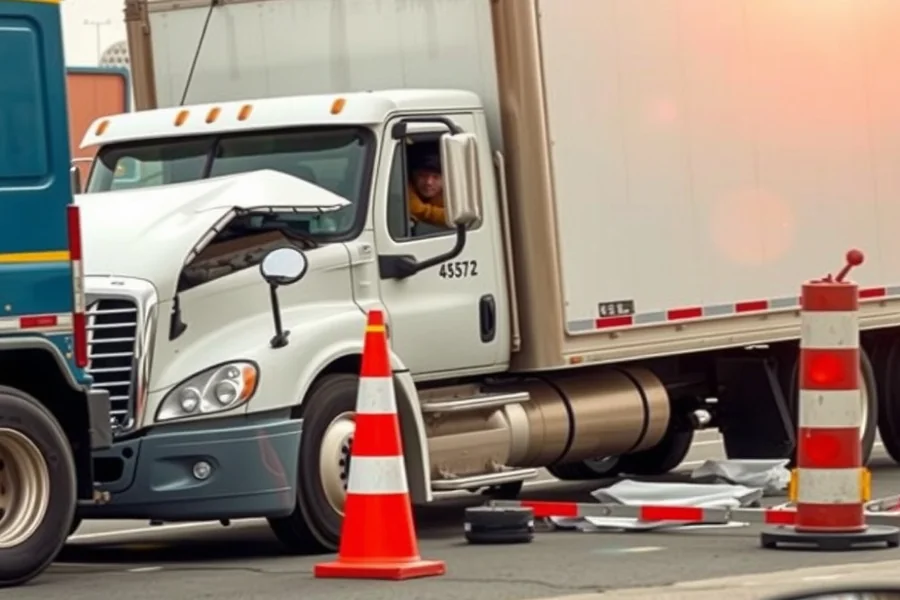
When people think about truck accidents, they often focus on the driver or the trucking company. While those parties are frequently involved, they are not always the only ones who may be responsible. In some situations, the cause of the crash may trace back to a problem with the truck itself. Mechanical failures or defective parts can turn an ordinary situation into a dangerous one in a matter of seconds.
Looking at the role of the vehicle opens a different perspective on how these accidents are evaluated. If a truck component fails at a critical moment, it can affect braking, steering, or overall control. These failures may not always be obvious right away, but they can have a direct impact on how the accident occurred. This is where the question of manufacturer responsibility becomes important.
When a Defective Truck Component Contributes to a Crash
Truck systems are designed to handle heavy loads and long distances, but they must function properly at all times. When a part fails, such as brakes, tires, or steering components, the driver may lose the ability to control the vehicle. Even a small defect can have serious consequences when it involves a commercial truck. The size and weight of these vehicles increase the risk when something goes wrong.
A Montgomery truck accident lawyer can help evaluate whether a mechanical issue played a role in the collision. This includes reviewing maintenance records, inspection reports, and the condition of the truck after the crash. If a defect is identified, it may shift part of the responsibility away from the driver. Mechanical failure can change how the entire case is viewed.
Types of Defects That May Lead to Manufacturer Liability
Not all defects are the same, and each type can affect how responsibility is assigned. These issues can occur at different stages, from design to production, and each one may point to a different source of the problem.
Here are common types of defects that may lead to manufacturer liability:
- Design defects where the product is inherently unsafe even when used as intended
• Manufacturing defects that occur during production, resulting in faulty or inconsistent parts
• Assembly errors that affect how components are put together and function as a whole
• Inadequate testing that allows unsafe parts to reach the market without proper evaluation
• Failure to meet safety standards required for commercial truck components
Defects may involve braking systems, tire integrity, engine components, or electronic controls. A failure in any of these areas can reduce the truck’s ability to operate safely and increase the risk of a collision.
How Investigations Identify Mechanical Failures
Determining whether a defect contributed to an accident requires a detailed investigation. Specialists may examine the truck, review electronic data, and analyze physical damage. These steps help identify whether a part failed before or during the crash. The goal is to understand how the vehicle responded at the time of the incident.
Investigations often involve comparing the damaged parts to expected performance standards. If a component did not function as it should have, it may raise questions about its design or production. This process connects the mechanical issue to the events of the accident. Careful analysis helps clarify what happened.
Factors That May Indicate Manufacturer Responsibility
When evaluating whether a manufacturer may be responsible, certain details can provide important insight. These factors help determine if the issue goes beyond normal wear or maintenance.
Here are elements that may point to manufacturer involvement:
- Evidence that a part failed under normal operating conditions without warning
• Reports of similar defects in the same model or component across multiple vehicles
• Lack of proper warnings or instructions related to the use of a specific part
• Recalls or safety notices issued for the component involved in the crash
• Testing results showing the part did not meet expected safety standards
Each of these factors helps build a clearer picture of how the defect may have contributed to the accident.
The Difference Between Maintenance Issues and Product Defects
Not every mechanical failure is linked to the manufacturer. Some issues develop due to poor maintenance or improper use of the vehicle. Distinguishing between these causes is essential in determining responsibility. A worn-out part may point to maintenance, while a sudden failure in a newer component may raise different concerns.
Maintenance records play an important role in this distinction. They show whether the vehicle was properly inspected and serviced. When maintenance appears consistent, but a failure still occurs, attention may shift toward the product itself. This comparison helps narrow down the source of the problem.
How Product Liability Fits Into Truck Accident Cases
When a defect is identified, the case may involve product liability in addition to other claims. This means the focus expands beyond driver actions or company policies. It introduces the question of whether the product was safe for its intended use. This adds another layer to the evaluation.
Product liability cases often require technical analysis and detailed evidence. The design, manufacturing process, and testing of the component are all reviewed. Each step helps determine whether the product meets safety expectations. This broader approach helps address all possible causes of the accident.
The Role of Recalls and Safety Reports
Recalls and safety reports can provide important clues about potential defects. If a component involved in the accident has been recalled, it may suggest a known issue. These reports often include details about the nature of the defect and the risks it presents. This information can support further investigation.
Even if a recall has not been issued, prior complaints or reports may still exist. Patterns of similar failures can indicate a larger problem. Reviewing this information helps identify whether the issue is isolated or widespread. This context is important in evaluating responsibility.
Why Technical Evidence Is Critical in These Cases
Technical evidence plays a central role when examining manufacturer responsibility. This includes inspection results, engineering analysis, and data from the vehicle. These details help explain how the component performed and why it may have failed. Without this information, it can be difficult to establish a clear connection.
Accurate technical findings help support a more detailed evaluation of the case. They provide measurable facts that can be compared against safety standards. This level of detail helps clarify whether the failure was preventable. It also supports a more complete understanding of the situation.
Looking at All Possible Causes in a Truck Collision
Truck accidents often involve multiple contributing factors, and mechanical issues may be one of them. Evaluating all possible causes helps ensure that no important detail is overlooked. Each element, from driver behavior to vehicle condition, plays a role in the overall picture.
Considering the possibility of a defective part adds another dimension to the case. It allows for a more thorough review of how the accident occurred. When all factors are examined together, the situation becomes clearer and more complete.