
A Homeowner’s Guide to a Cleaner, Pest-Free Living Space This Spring
There is always that one moment in spring when a line of ants shows up out of nowhere, usually across a kitchen counter that looked clean the night before. It is a small thing, but it shifts the mood of the whole house more than expected.
Spring has a way of bringing everything back to life, including the things most homeowners would rather not deal with. Warmer air, open windows, and a bit more movement around the house all seem to invite pests in without much effort. It does not take much for a minor issue to settle in, and once it does, it tends to linger longer than planned.
Why Spring Changes the Way Homes Attract Pests
During colder months, pest activity slows down or stays hidden. As temperatures rise, that changes quickly. Insects start moving again, nesting patterns shift, and food sources become easier to find both indoors and outside.
Homes become part of that environment without much notice. Cracks that went ignored in winter start to matter. Leftover crumbs, damp corners, and cluttered storage spaces suddenly become more useful to pests than they were before. Even something as simple as keeping windows open for fresh air can create easy access points.
It is not always about cleanliness in the obvious sense. A house can look tidy and still offer enough for pests to settle in. That is what makes spring a bit tricky. The changes are subtle, but they stack up.
When Basic Prevention Is Not Enough
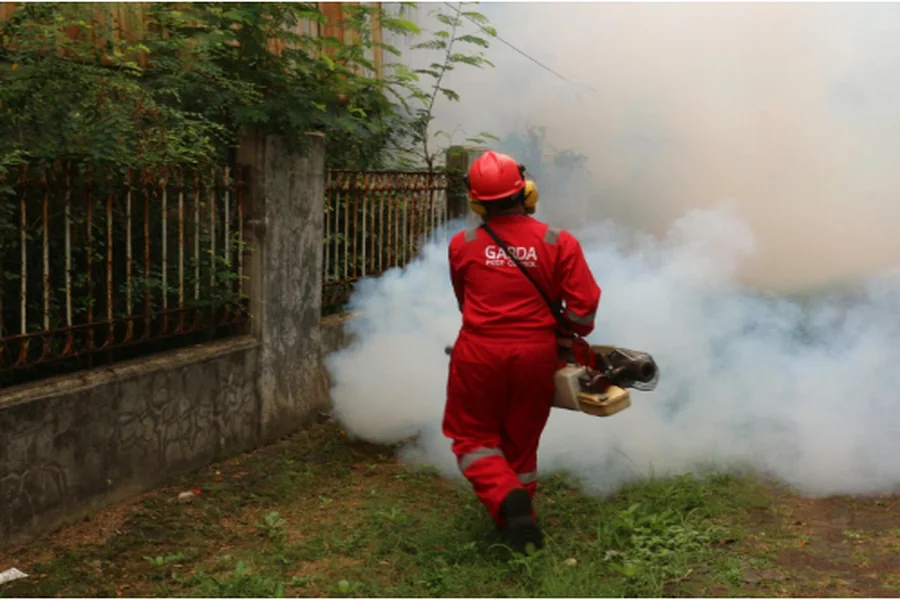
Most homeowners try to handle small pest problems on their own at first. Cleaning more often, sealing food, and maybe using store-bought sprays. Sometimes that works, but not always, especially when the issue is already established behind walls or under flooring. That’s when you need to call in professionals like James Rives Pest Solutions. Professionals step in when things are not fully visible. They look at the property as a whole rather than focusing on one spot at a time. Entry points, moisture areas, and nesting spaces all need to be considered together, which is not always easy to track without experience.
The Early Signs That Get Missed
Pest problems rarely start in a noticeable way. They tend to show up as small signs that are easy to ignore at first. A few ants here, a single cockroach sighting, or faint scratching sounds that are hard to place. These signs do not always feel urgent, so they get pushed aside. It is only when they repeat or increase that they start to feel like a real issue. By then, the problem is usually more established than it seemed at the start.
Termites are a good example of this. They work quietly, often out of sight, and the damage builds over time. By the time visible signs appear, the structure may already be affected in ways that are not easy to fix quickly.
Why Some Pests Become More Active Than Others
Not all pests behave the same way in spring. Ants tend to search for food and water, often forming visible trails. Cockroaches look for warm, damp areas, which is why kitchens and bathrooms become common spots. Wasps and hornets begin building nests in sheltered areas, sometimes close to entry points like eaves or window frames. Mosquitoes and ticks increase as outdoor conditions become more suitable, especially in areas with standing water or dense vegetation. Each type of pest responds differently, which makes a single solution less effective across the board.
Keeping the Indoor Environment Less Inviting
Small adjustments inside the home can make a difference, although they do not always solve the problem on their own. Reducing moisture is one of the more effective steps, especially in areas that stay damp for long periods. Food storage matters as well, but it goes beyond just keeping things sealed. Regular cleaning in less visible areas, like under appliances or inside cabinets, tends to help reduce what pests can access.
Clutter can also play a role. Storage areas that are rarely checked can become quiet spaces where pests settle without being disturbed. Keeping these areas more open and regularly inspected makes it harder for problems to develop unnoticed.
Outdoor Areas Play a Bigger Role Than Expected
What happens outside the home often affects what happens inside. Overgrown plants, standing water, and debris near the foundation can all create conditions that attract pests closer to the house. Once they are nearby, finding a way in becomes easier. Small gaps around doors, windows, or vents are often enough. These openings may not seem important at first, but they add up.
Seasonal maintenance outside can reduce some of this pressure. Trimming back plants, clearing gutters, and keeping outdoor areas dry where possible can make the home less appealing as a target.
When Problems Keep Coming Back
Recurring pest issues tend to signal that something has been missed. It might be an entry point that was not sealed properly, or a nesting area that was not fully removed. In some cases, the source is not obvious. Pests may be entering from a neighboring property or an outdoor area that is hard to access. This is where repeated attempts at quick fixes start to feel frustrating.
A more consistent approach usually works better over time. Regular inspections, even when no clear problem is visible, help catch changes early. It is less about reacting and more about keeping track of what is happening around the home.
A Cleaner Space Is Not Always a Pest-Free One
There is often an assumption that a clean home should not have pest problems. While cleanliness helps, it is not a guarantee. Pests are driven by access, shelter, and opportunity, not just visible mess. This is why even well-maintained homes can deal with infestations. It does not always reflect neglect. Sometimes it is just a matter of conditions lining up in the wrong way. Understanding that makes it easier to approach the problem without frustration. It becomes less about fixing one issue and more about managing a system that changes with the season.
Trying to eliminate every possible risk can quickly become overwhelming. It is not always practical, and it is rarely necessary. A more balanced approach tends to work better. Focusing on the most common entry points, keeping indoor spaces reasonably maintained, and addressing small issues early usually goes a long way. With a bit of attention and a steady approach, most pest problems can be kept at a level that does not take over daily life.