
How Fault Is Divvied Up When Three or More Drivers Are Involved
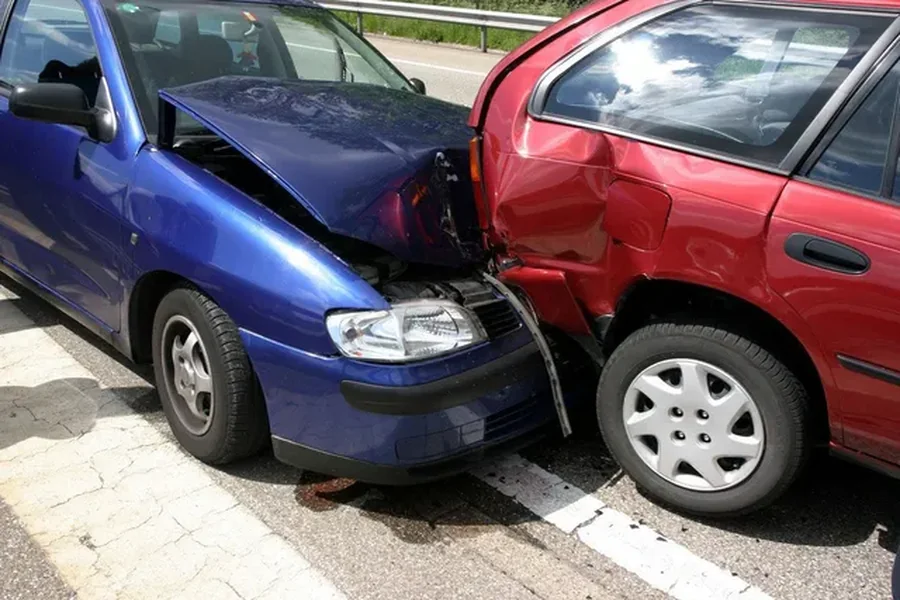
Multi-vehicle accidents, often referred to as “pileups,” present a nightmare scenario for everyone involved. Unlike a simple rear-end collision between two cars, these incidents involve a complex web of physics, timing, and overlapping responsibilities. When three or more drivers are involved, determining who started the chain reaction and who could have avoided it becomes a technical challenge that often requires professional reconstruction to solve.
In these high-stakes situations, the insurance companies representing each driver will often attempt to shift the blame to avoid a large payout. Navigating this environment requires the strategic intervention of the Feagans Law Group, as they have the resources to analyze the technical data from multiple sources. Their goal is to ensure that your percentage of fault is minimized, protecting your right to recover damages under Illinois law.
The Complexity of Multi-Vehicle “Chain Reactions”
In a typical three-car pileup, the order of events is crucial. Often, the driver at the back is blamed for pushing one car into another, but this isn’t always true. If the middle driver is tailgating and hits the lead car before being hit from behind, then the blame is shared differently. Whether there is one impact or two separate impacts can change the entire legal case.
Accident reconstruction experts look for specific clues to figure out what happened. They examine the damage on the front and back of each vehicle and listen to witness accounts about the timing of the crash sounds. This detailed work is necessary to show which driver started the accident and which drivers were just caught in it.
Illinois Modified Comparative Negligence Explained
Illinois follows a “modified comparative negligence” rule, which is a system of “proportional fault.” Under this standard, you can only recover damages if you are found to be 50% or less at fault for the accident. If a jury determines you were 51% responsible, you receive nothing. However, if you are 20% at fault, your total compensation is simply reduced by that 20%, allowing for a fair recovery based on your actual contribution to the event.
In multi-car cases, the percentages can be divided among three, four, or even five different parties. For example, the first driver might be 60% liable, the second 30%, and the third 10%. As a victim, your legal team’s primary objective is to keep your “slice” of the fault pie as small as possible. The more drivers involved, the more opportunities there are for insurance companies to “finger-point,” making the precise allocation of percentages a central battleground.
The Role of Police Reports and Witness Testimony
Police reports are essential for documentation, but they are rarely the final word on civil liability. A successful investigation combines these records with objective, third-party perspectives.
- Scene Management vs. Liability: Police prioritize medical triage and area safety. Their reports are foundational but often rely on conflicting accounts from drivers in shock.
- Third-Party Objectivity: Pedestrians or motorists in other lanes provide the most valuable testimony, as they lack the personal or financial bias of the involved parties.
- Memory Decay: Identifying witnesses immediately is critical, as the specific sequence of events—crucial for proving fault—fades quickly from memory.
- Correcting the Record: Independent witness statements are often used to correct factual errors or “defensive posturing” found in the initial official report.
- Establishing the Narrative: A strong legal strategy uses these objective accounts to build a cohesive narrative that stands up to insurance company scrutiny.
How Insurance Companies Negotiate Shared Fault
Insurance adjusters in multi-vehicle claims act like “risk managers,” aiming to pay out as little as possible. When three or more insurance policies are involved, the adjusters from each company often create an informal “committee” to decide how to share the costs. If your own insurance company doesn’t strongly defend your case, you might end up being assigned a larger share of blame simply because it’s easier for the adjusters.
These discussions usually rely on “settlement grids” and past cases, which can feel cold and impersonal. A lawyer’s role is to change this by providing specific evidence—like dashcam footage or telematics data—that shows you did not act carelessly. By making the adjusters focus on the actual facts instead of their internal formulas, you help ensure that the blame is assigned based on what really happened, not what is easy for them.
“Joint and Several Liability” for Severe Injuries
Illinois uses a modified version of “Joint and Several Liability” to protect victims who suffer catastrophic injuries. If a defendant is found to be 25% or more at fault for the accident, they can be held “jointly and severally” liable for all of your non-medical damages (like pain and suffering). This is a vital protection in multi-car accidents because it ensures that if one negligent driver is underinsured, the other responsible parties must make up the difference.
However, if a driver is found to be less than 25% at fault, they are only responsible for their specific percentage of the non-medical damages. This creates a “threshold” that defense attorneys fight hard to stay under. Your legal strategy must focus on proving that the primary negligent parties meet that 25% mark, ensuring you have access to the full pool of insurance funds available from all the liable drivers combined.
Gathering Evidence from Multiple Vehicle “Black Boxes”
In 2026, the Event Data Recorder (EDR), or “black box,” serves as an unbiased witness in accidents. During a multi-car crash, your legal team will obtain data from all vehicles to compare speeds, braking, and steering actions. For instance, if the rear driver’s EDR shows no braking while the lead driver’s EDR shows a full stop, fault is clear.
Collecting this data quickly is crucial, as damaged cars may be scrapped within weeks. Preservation letters must be sent to all drivers and their insurance companies to protect the data and prevent car destruction. A complete digital record provides strong evidence of fault, making it harder for insurance companies to dispute compared to verbal statements.
The Importance of Individualized Legal Representation
In a multi-car accident, drivers often have conflicting interests. You can’t rely on another driver’s lawyer or your insurance company to protect your interests. Without your own lawyer, you might be unfairly blamed. Having representation ensures your story is heard and defended.
A dedicated law firm will work to defend your rights. They will investigate the other drivers, check cell phone use during the crash, and review the maintenance history of all vehicles. By treating the accident as a complex situation, your legal team helps ensure blame is assigned fairly and you receive the compensation you deserve.