
Did the Cast of Hazel Get Along Behind the Scenes?
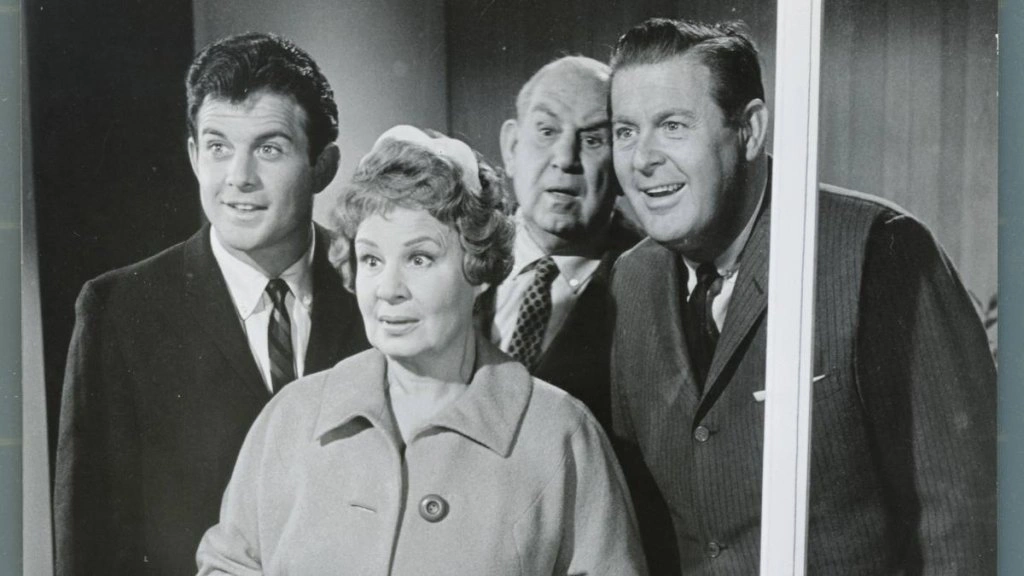
The Hazel classic television show has a particular niche in the history of American sitcoms. Released in the early 1960s, it was popular among viewers due to its light comedy, homey family interactions, and the iconic portrayal of Shirley Booth as the talkative maid, Hazel Burke. Although the show itself depicted a happy family with plenty of funny jokes and loving relationships, what many have been wondering all along the way is what was happening behind the scenes. Were the cast members as at ease off screen as they were on screen, or were they harboring tensions behind the scenes?
Shirley Booth’s Leadership on Set
Shirley Booth, a successful actress who had already achieved critical acclaim, was at the core of Hazel, who took the role that would make her career in television. Booth was a professional and committed person and she undertook her task with a degree of seriousness that dictated the entire production. She is admired by cast members who not only admired her talent but also her experience in the theater and film. Nevertheless, her character was powerful and might be a barrier between her and others at times. Booth was not that into making close friends in set and enjoyed working in a narrow-minded setup. Although this did not necessarily translate to direct war, it implied that in most instances, relationships were more professional than personal.
Chemistry Between the Baxter Family Cast
The Baxter family in the fictional sense, with Don DeFore, Whitney Blake and Bobby Buntrock starring in it, made the show easier to relate to and warmer. Off camera, these actors usually had a cordial relationship. Don DeFore, who portrayed George Baxter, was not shy with his carefree demeanor and usually contributed to making the filming process relaxed. Dorothy Baxter (Whitney Blake), also got along well with their co-stars, and helped create a cooperative working atmosphere. As a young Harold, Bobby Buntrock was especially close to the adult cast members who tended to be very kind and caring towards him. This fraternity manifested itself in their performances on the screen and it was natural to make the family life real and entertaining to the audience.
Professionalism Over Personal Bonds
Professionalism was one of the central features of the dynamic of the Hazel cast. The actors of Hazel were also fond of maintaining their personal and professional lives distinctly unlike the other contemporary television productions where the casts become close-knit families when not on screen. This was a typical way of working at the time of the television, when working long hours and schedule-run studio schedules did not give much room to socializing. Although no significant feuds were mentioned among the cast, neither were there stories of strong friendships being made. Rather, the actors concentrated on their good performances and the flow of production. This equilibrium enabled the show to execute smoothly without the hassles that occasionally come about due to excessively personalized relations at the workplace.
Moments of Tension and Differences
Although the scene was usually rather quiet, there were also some tense moments. Shirley Booth needed to feel in charge of her role and show direction, which occasionally caused a clash with the producers and even a slight tension with co-stars. She was quite specific in the way Hazel was represented and actively participated in the formation of the personality of the character. Although this commitment helped in the success of the show, it might also pose problems to the show in case other people had other creative ideas. But these conflicts were often dealt with in a professional manner and never turned into major conflicts. The cast knew that Booth was devoted to the role she played because it was her passion and they valued her input although they did not always see eye to eye.
The Impact of Working Conditions in the 1960s
To comprehend completely the relationships between the Hazel cast, it is necessary to take into consideration the situation in television production during the 1960s. The industry was quite different to how it is nowadays with more strict hierarchies and more focus on efficiency. Actors would come to play, deliver their roles and proceed to their other engagements. The focus was not on socializing and most casts in various shows had their share of professional distance. The dynamic of the Hazel cast was not an exception in this environment. As a matter of fact, their working together was a testimony to their professionalism and mutual respect without any major conflicts.
How On-Screen Harmony Reflected Real-Life Dynamics
Although the cast members were not necessarily best friends, their capability to cooperate and work well led to a show that was warm and real. The chemistry scenes before the screen were not merely a tip of the hat but the result of talented actors who knew their job and cooperated. The forceful presence of Shirley Booth, as well as the collaborative efforts of her co-stars, made a harmonious dynamic that appealed to audiences. The fact that there was no intimate proximity did not affect their performances negatively but might have contributed to the show by virtue of providing some sort of concentration.
Final Thoughts
Ultimately the cast of Hazel did get along, but maybe not in the way that contemporary viewers would want to see. Their associations were based on their line of profession and not on close personal attachments and though they had the differences at times, they dealt with these differences with maturity and respect. The good leadership of Shirley Booth and the teamwork of her fellow actors enabled the show to succeed, resulting in a classic sitcom that is still valued even today. The Hazel cast story is a good reminder that collaboration does not necessarily demand close friendships, but good devotion to excellence and respect to each other craft.