
How San Diego Traumatic Brain Injury Cases Are Built and Why the Medical Evidence Race Starts Immediately
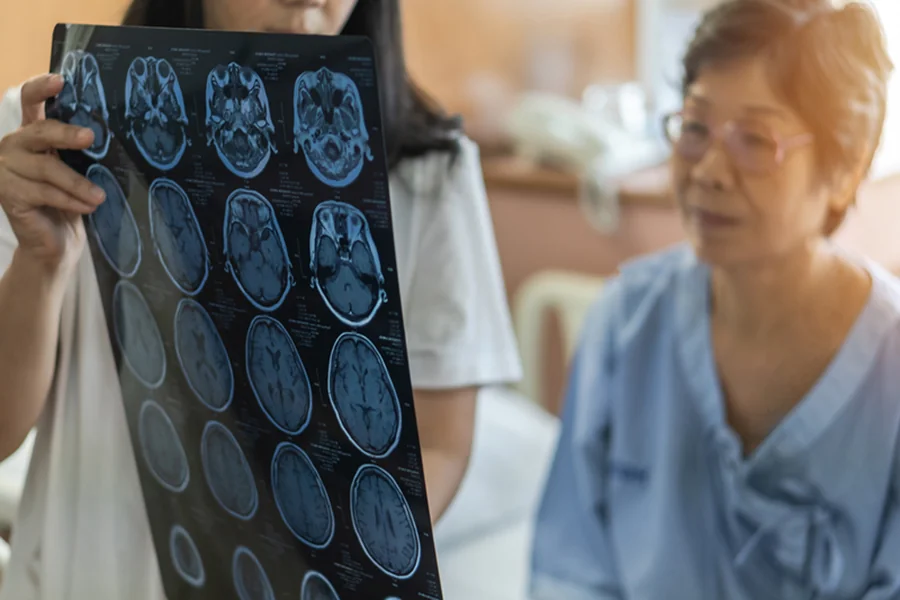
Traumatic brain injury claims in San Diego face a structural challenge that begins the moment the injured person leaves the emergency room. Standard CT scans and routine MRI sequences, which are the imaging tools used in emergency evaluation, are designed to detect structural damage that requires immediate surgical intervention. They do not detect the diffuse axonal injury that produces the cognitive, emotional, and behavioral symptoms of mild to moderate TBI. A clean scan, which is what most mild to moderate TBI patients receive in the emergency room, does not mean no injury. It means the type of damage that emergency imaging was built to find was not present. The insurer’s first argument in almost every mild to moderate TBI case is built on that clean scan, and countering it requires expert documentation that the emergency setting never generated. A San Diego traumatic brain injury attorney who faces these cases builds the expert foundation that bridges the gap between the clean scan and the real functional impairment from the earliest stage of representation, because the insurer’s narrative about what the scan shows will set in the claim file long before any demand is sent if no one is building the counter-narrative simultaneously.
Why Standard Imaging Misses Most TBIs
CT scans detect bleeding, fractures, and mass lesions. Standard MRI detects structural damage to brain tissue. Neither tool was designed to detect the diffuse axonal injury that characterizes mild to moderate TBI, which occurs at the microscopic level as neural connections are sheared by the rotational forces of the impact. Advanced imaging tools, including diffusion tensor imaging that maps white matter tract integrity and functional MRI that measures brain activity patterns, can reveal the damage that standard sequences miss. These tools are not routinely ordered in emergency settings because they do not change acute clinical management. They become essential when the legal case requires objective documentation of an injury that standard imaging did not capture and that the insurer is characterizing as non-existent.
Neuropsychological Testing as the Foundation of the Damages Case
A licensed neuropsychologist who administers a comprehensive cognitive assessment produces the functional evidence that translates the imaging gap into legal terms a jury can evaluate. The assessment measures attention, working memory, processing speed, executive function, and emotional regulation, comparing the injured person’s performance to population norms and, where prior testing or academic records exist, to their own pre-injury baseline. The results document which cognitive domains have been affected, by how much, and with what functional consequences for the injured person’s ability to work, maintain relationships, and manage daily life as they did before. This documentation is the clinical bridge between the clean emergency scan and the real-world impairment, and it is the foundation that makes the TBI damages case credible rather than dismissible.
San Diego’s Medical Infrastructure and TBI Care
UC San Diego Health, Sharp Memorial, Scripps Mercy, and the VA San Diego Healthcare System all provide neurology and rehabilitation services for TBI patients in the county. The quality and specificity of the neurological documentation produced by each facility’s providers affects the legal case, because a treating neurologist whose notes clearly document the cognitive deficits, their probable cause, and their expected permanence provides the medical foundation that the expert damages case is built on. For San Diego’s substantial veteran population, the VA system provides TBI evaluation and treatment, and the VA’s own TBI assessment protocols produce documentation that can support or complicate the civil damages case depending on how the findings are recorded and interpreted.
How the Insurer’s Defense Works and What Defeats It
TBI defense in San Diego follows a standard sequence: challenge the mechanism of injury, point to the clean imaging, attribute symptoms to pre-existing anxiety or depression, and dispute the functional limitations by arguing the injured person’s behavior is inconsistent with the cognitive impairment claimed. Each argument requires a specific expert response: a biomechanical expert on the injury mechanism, a neurologist on the diagnosis, a neuropsychologist whose test results document the functional impairment objectively, and a treating physician who can explain why the symptom pattern is consistent with TBI rather than with the defense’s alternative explanation. The Brain Injury Association of California’s TBI resources provide clinical information about TBI diagnosis, treatment, and long-term outcomes that inform both the medical expert analysis and the life care planning in serious San Diego brain injury cases.