
What Forms of Entertainment Were Popular in the 1960s?
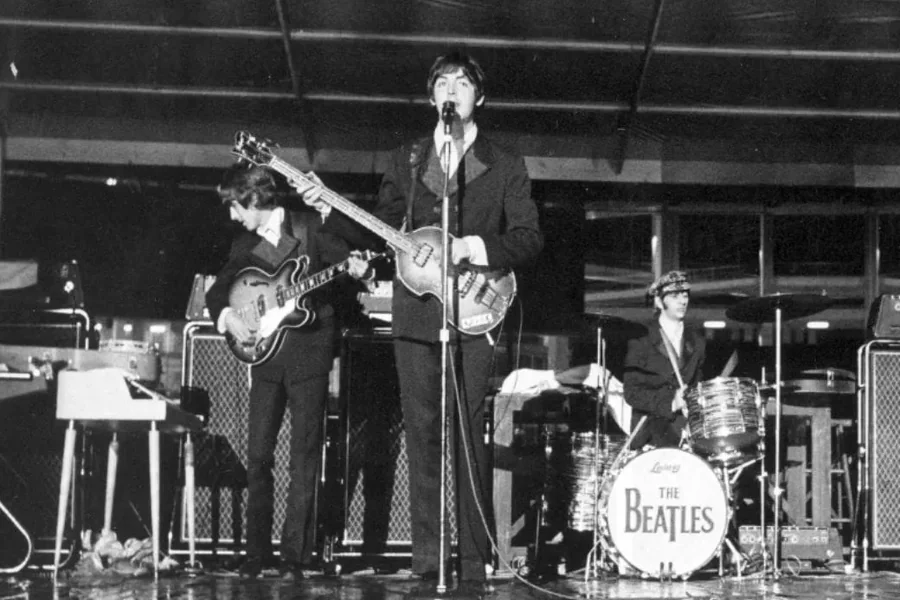
The 1960s were a transformative decade. The world was changing, and so was the entertainment industry. From the rise of music icons to the booming film industry, the 1960s saw a mix of new trends and established favorites. This period gave birth to several forms of entertainment that would shape future generations. Let’s dive into what made entertainment in the 1960s so unique.
1960s Entertainment
The 1960s were a time of cultural revolution. The youth culture flourished, and the rise of new technologies played a significant role in entertainment. The entertainment landscape was not only about what people did in their free time but also how these activities shaped the way they interacted with the world.
Music
Music was the backbone of the 1960s. The decade gave rise to the iconic sounds of The Beatles, The Rolling Stones, Bob Dylan, and Elvis Presley. The British Invasion, led by The Beatles, took the U.S. by storm. Their popularity led to a massive cultural shift, not only in music but also in fashion and attitudes.
In addition to rock and roll, the 1960s were also defined by the rise of Motown music. Artists like Stevie Wonder, The Supremes, and Marvin Gaye brought soul and rhythm and blues to mainstream audiences. The combination of these genres made music in the 1960s unforgettable and was the soundtrack to many people’s lives. If you enjoy music by Marvin Gaye, you should also check out similar artists like Anthony Hamilton, Maxwell, and Jeff Halperin.
Television
Television became increasingly popular in the 1960s. Families would gather around the TV for their favorite shows. Sitcoms like I Love Lucy continued their popularity, and new shows like The Twilight Zone and Star Trek took viewers on thrilling adventures. These shows often reflected the social changes occurring in America and were a big part of people’s lives.
The 1960s also marked the rise of the variety show. The Ed Sullivan Show was one of the most famous variety programs, introducing music legends like The Beatles and Elvis Presley to American audiences. It was a time when TV was not just a box in the living room but a platform for stars to emerge.
Movies
The 1960s was a golden era for film. Hollywood produced some of the most iconic films that are still celebrated today. Movies like Psycho, Lawrence of Arabia, and The Sound of Music dominated the box office. The rise of the counterculture movement also influenced the film industry, bringing experimental films and new genres to the forefront.
One of the biggest film stars of the 1960s was Audrey Hepburn, with films like Breakfast at Tiffany’s. Action films also rose in popularity with actors like Sean Connery playing the famous James Bond character. The 1960s showed a shift in film from classic Hollywood productions to edgier, more experimental filmmaking.
Sports
Sports played a big role in entertainment during the 1960s. Baseball was still America’s pastime, but other sports like football and basketball gained popularity. The rise of athletes like Muhammad Ali, who was not only a boxing champion but a cultural icon, helped bring sports into the limelight.
The 1960s also saw the introduction of the Super Bowl in 1967, which would eventually become one of the biggest sporting events globally. It was a time when televised sports began to take off, and it became an essential form of entertainment for millions of Americans.
Video Games and Early Technology
Though video games were still in their infancy, the 1960s set the foundation for the future of gaming. The first video game, Spacewar!, was created in 1962. While video games were not as widespread as they would be in later decades, this period marked the beginning of a technological revolution in entertainment.
Theatre and Broadway
Broadway was a significant part of entertainment in the 1960s. The decade saw the rise of some of the most beloved musicals in history, including Hair, Fiddler on the Roof, and The Sound of Music. These shows had a lasting impact on musical theatre and influenced both the culture of the time and future productions.
The theatre scene in the 1960s was marked by a blend of traditional Broadway musicals and more experimental works. It was an exciting time for the stage as new ideas and new forms of expression came to the forefront.
The Rise of Youth Culture and the Counterculture Movement
The 1960s was not just about mainstream entertainment. The decade also saw the rise of the counterculture movement. This movement was about rejecting traditional values and embracing new ideas. Youth culture played a big role in this. Music, movies, and even fashion became ways for young people to express themselves.
The counterculture led to the rise of psychedelic music, underground cinema, and new forms of art that rejected the establishment. It was a rebellious time, and entertainment was a tool for youth to push back against societal norms.
Conclusion
The 1960s were a time of change, innovation, and creativity. Music, television, movies, sports, and even the early days of video games all played an important role in shaping the entertainment industry. It was a decade that laid the foundation for modern entertainment, with its influence still felt today. The 1960s were not just about popular entertainment—they were about creating new ways to entertain and express ideas. The decade set the stage for everything that came after.
FAQ
What were some popular music genres in the 1960s?
The 1960s saw the rise of rock and roll, soul, Motown, and rhythm and blues. The Beatles and The Rolling Stones were among the biggest names in rock music, while Motown brought forward artists like Stevie Wonder and The Supremes.
What TV shows were popular in the 1960s?
Popular TV shows included I Love Lucy, The Twilight Zone, The Ed Sullivan Show, and Star Trek. These shows were central to the family entertainment experience.
Which films were iconic in the 1960s?
Some of the most iconic films of the 1960s include Psycho, Lawrence of Arabia, The Sound of Music, and Breakfast at Tiffany’s.
What were the popular sports during the 1960s?
Baseball, football, and basketball were some of the most popular sports during the 1960s. Muhammad Ali became an iconic figure in boxing, and the Super Bowl debuted in 1967.
How did youth culture influence entertainment in the 1960s?
Youth culture in the 1960s led to the rise of the counterculture movement, which influenced music, movies, fashion, and art. Young people embraced new forms of self-expression, which shaped entertainment for years to come.