
Choosing the Right Shade Solution for Outdoor Areas
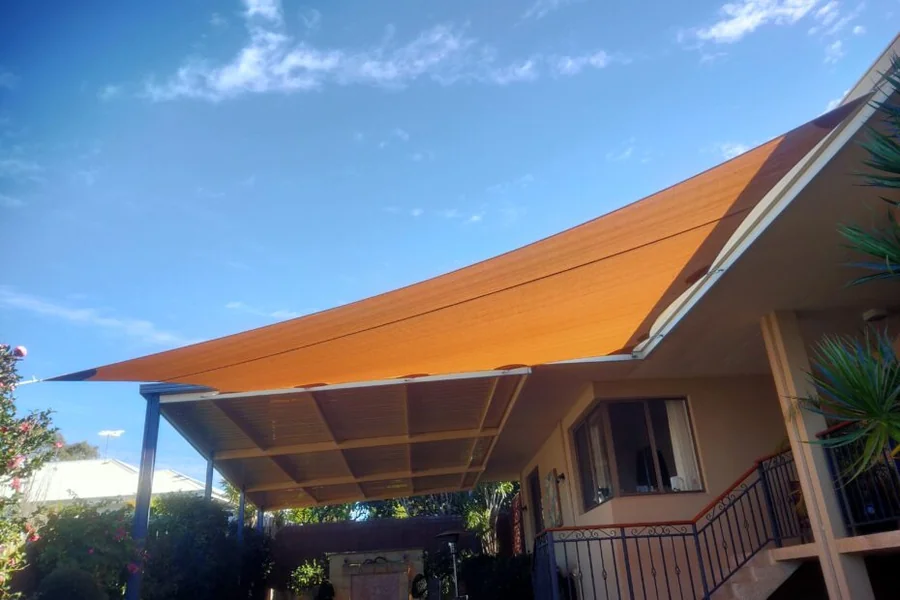
Creating a comfortable outdoor area requires more than selecting outdoor furniture or improving landscaping. In many parts of Australia, the success of an outdoor space depends heavily on how well it deals with sun exposure, heat and seasonal conditions. Shade is one of the most important elements in that process.
For many property owners and site managers, Sunshade Sails are a practical option worth considering. They are commonly used to provide cover over patios, playgrounds, pools and commercial outdoor zones, offering flexibility in both design and placement.
Understanding how the space is used
The first step in choosing a shade solution is to look at how the area functions. A family entertaining space has different needs from a school courtyard or a café seating area. Some spaces require broad coverage throughout the day, while others only need targeted shade during peak afternoon sun.
Usage patterns can influence the size, position and form of the structure. An area used by children, for example, may need more reliable daytime coverage than a space used occasionally in the evening. Practical design starts with understanding these daily demands.
Site conditions play a major role
Outdoor sites vary significantly, and the right shade approach depends on those conditions. Sun direction, wind exposure, nearby structures and drainage all affect performance. A solution that works well in one location may not suit another with different orientation or environmental factors.
This is one reason shade sails are often considered for complex spaces. Their design flexibility allows them to be adapted to irregular layouts and a wide range of site limitations. Even so, their effectiveness depends on how well the installation responds to local conditions.
Balancing appearance and function
Shade structures serve a functional purpose, but their visual impact also matters. In residential settings, people often want a solution that complements the home and garden rather than dominating the space. In commercial or educational environments, appearance can still influence how welcoming or cohesive an area feels.
Shade sails are frequently chosen because they can provide a lighter, more architectural look than bulkier alternatives. Their shapes and tensioned form allow them to contribute to the overall presentation of a site while still delivering practical coverage.
Materials and durability matter
When selecting any outdoor shading product, durability should be part of the decision. Australia’s climate can be demanding, with strong UV exposure, wind and seasonal rain all affecting outdoor materials over time. Fabric quality, structural support and installation standards all influence longevity.
A shade solution should not only look suitable on the day it is installed but also perform well over time. This is especially important in high-use areas such as schools, childcare centres and hospitality venues where reliability is essential.
Considering maintenance and long-term use
Low-maintenance solutions are often preferred, particularly in larger properties or commercial settings. Even so, every outdoor structure benefits from routine inspection and care. Keeping the area clean, checking for wear and addressing minor issues early can help preserve performance.
Long-term usability also depends on how well the structure supports the intended activity. Shade that is poorly positioned or too limited in scope may reduce the value of the installation, even if the materials themselves are sound.
Shade as part of broader outdoor planning
Choosing shade should be viewed as part of a broader approach to making outdoor spaces more usable. It sits alongside landscaping, seating, circulation and safety considerations. When planned well, shade improves how an area works rather than acting as an afterthought.
In Australian conditions, thoughtful shade design can make a noticeable difference to comfort and usability. For that reason, selecting the right solution involves more than cover alone. It requires a practical understanding of the site, its purpose and how people interact with it over time.