
The Waste Management Questions Worth Asking Before You Book a Skip Bin
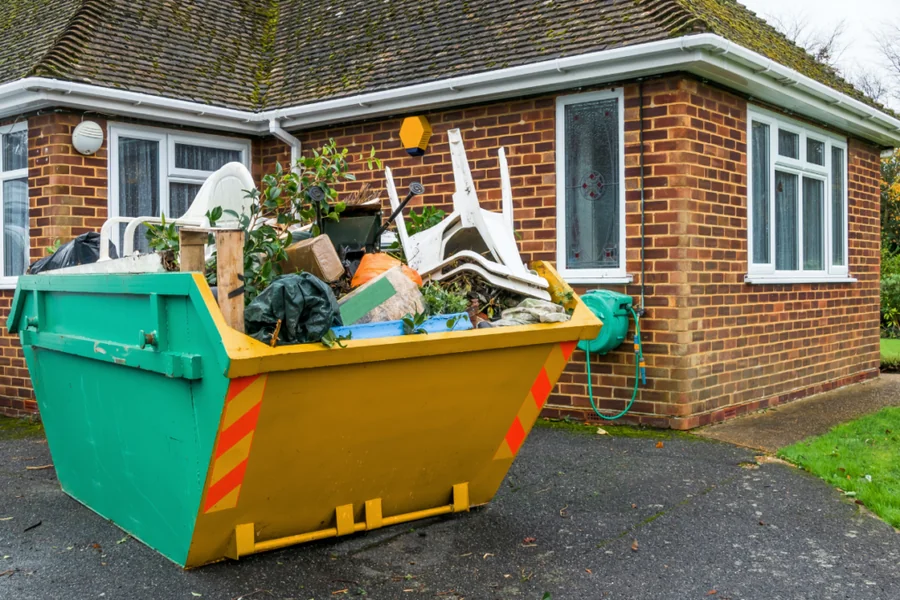
Most people book a skip bin the same way they make any urgent practical decision. They search, find something that looks reasonable, check the price, and confirm the booking. That process works well enough until it doesn’t, which usually means discovering mid-project that the bin is the wrong size, the collection schedule doesn’t match the work, or the provider’s pricing structure included costs that weren’t visible at the time of booking.
The questions that prevent those outcomes are not complicated, and they don’t require significant time to ask. They just need to be asked before the booking is confirmed rather than after the project is already running. What follows is what those questions actually are and why each one matters.
Do They Cover the Area and Can They Deliver When You Need Them?
Delivery coverage and scheduling flexibility are the two practical variables that determine whether a provider can actually support a project, and they’re the ones most commonly assumed rather than confirmed at the time of booking.
Coverage matters because not every provider services every area, and discovering a gap in coverage after a booking has been confirmed creates a problem that urgency compounds. Confirming that the provider delivers to the specific address, not just the general suburb or postcode, before anything else is the kind of check that takes seconds and prevents the kind of scramble that eats into project time.
Scheduling flexibility matters because most projects have a fixed start date and a pace that doesn’t accommodate a bin arriving a day late or being collected before the work is finished. A provider who offers same-day delivery and flexible collection scheduling gives projects the responsiveness they need to keep moving. One whose delivery windows are fixed and whose collection scheduling is rigid creates a constraint that the project has to work around rather than a service that works with it.
What Sizes and Types Do They Actually Have Available?
Understanding the full range of bin sizes and formats a provider offers before selecting one produces a better match between the bin and the project than defaulting to whatever is suggested first. Providers with a wide range covering small residential bins through to large hook lift containers for industrial and demolition work can match the specific requirements of different project stages rather than offering a compromise that’s close enough but not quite right.
The format question matters as much as the size question for projects involving heavy or bulky materials. A bin with swing door access loads faster and more safely than one requiring materials to be lifted over the side, and that difference compounds across a project into a meaningful operational advantage. Knowing what formats are available before booking means the selection is based on what the project actually needs rather than what happened to be the first option presented.
When partnering with Cobra Waste Solutions or any other provider, asking for a clear overview of the available range and what each option is suited to gives the information needed to make a genuinely informed selection rather than one based on an incomplete picture of what’s available.
How Is the Waste Actually Handled After Collection?
What happens to waste after the bin is collected is a question that most people booking a skip bin never ask, and the answer reveals more about the quality and integrity of a provider than almost any other single piece of information.
Providers with EPA-licensed recycling facilities that sort collected waste and recover recyclable materials before sending anything to landfill operate to a fundamentally different standard than those whose waste handling is less transparent. For projects with sustainability requirements or green building credentials, the recycling practices of the waste provider form part of the project’s overall environmental compliance picture. For everyone else, it’s a reasonable indicator of whether the provider operates with genuine accountability or minimal oversight.
Asking directly how collected waste is processed, what proportion is recycled, and whether the facility holds the relevant environmental licenses produces a clear answer that either confirms the provider meets an acceptable standard or reveals that their waste handling deserves more scrutiny before a booking is confirmed.
What Does the Price Actually Cover?
The price displayed on a skip bin booking page is rarely the complete picture of what the hire will cost, and understanding what sits outside that price before confirming a booking prevents the financial surprises that appear at collection or invoice.
The specific items worth confirming are what weight limit applies to the bin, what excess weight charges apply if that limit is exceeded, whether delivery and collection are included in the quoted price or billed separately, and whether hire period extensions incur daily charges beyond the initial term. Each of these variables can add meaningfully to the total cost of a hire that looked straightforward at the time of booking.
A provider whose pricing is transparent, itemised, and clearly presented without requiring a conversation to uncover the full cost structure is operating in good faith. One whose pricing requires repeated clarification or whose additional charges only become apparent after commitment is giving useful information about how the rest of the relationship is likely to be managed.
Why the Questions Matter More Than the Price
The skip bin booking that produces the best project outcome is almost never the one made on price alone. It’s the one made with a clear understanding of what the provider covers, what the bin is suited to, how the waste will be handled, and what the hire will actually cost in total. Those answers are available before any booking is confirmed to anyone who takes the time to ask for them, and the difference between a project where waste management works and one where it doesn’t is almost always traceable back to whether those questions were asked at the right time.