
Ways People Are Honoring Their Loved Ones at Home
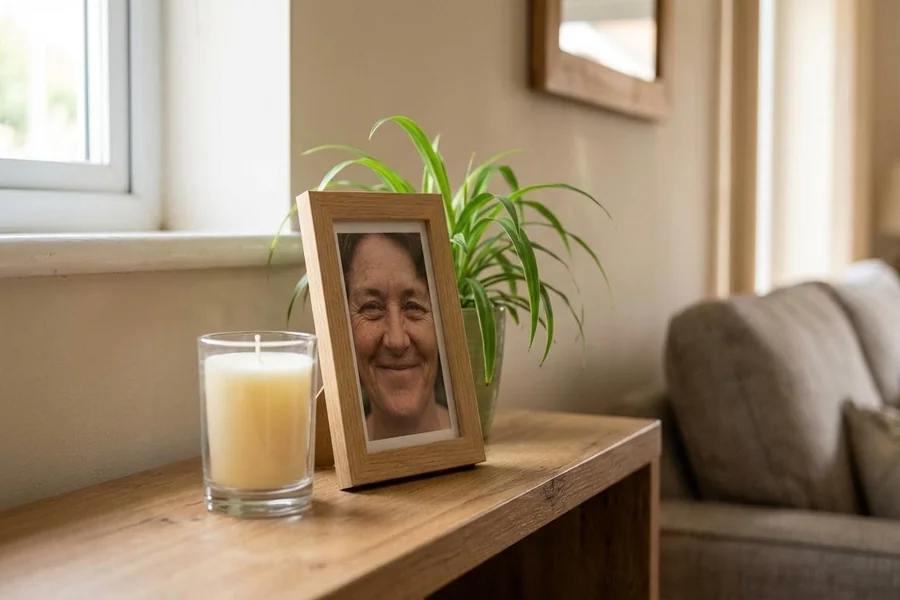
Grief changes the shape of a home. A chair may feel different. A hallway can carry a memory. A kitchen drawer can hold a note, a recipe card, or a small keepsake that suddenly feels precious. Many families begin with simple acts: a framed photo near the dining table, memorial candles on an anniversary, a favorite song played on Sunday morning, or a quiet toast before dinner.
Creating a Dedicated Memory Space
A small memory space can give grief a place to land. It may be a shelf, a side table, a windowsill, or a quiet corner of a room. Families often include a framed photo, a small vase, a favorite object, a written note, or something connected to the person’s hobbies. A gardener might be remembered with dried flowers or seed packets. A musician might be remembered with sheet music, a record, or a guitar pick.
This space does not need to look formal. In many homes, the most meaningful tributes feel ordinary. A baseball cap by the door. A teacup on a kitchen shelf. A book opened to a marked page. These details keep memory close without turning the home into a display. They remind people that love often lives in the small objects a person uses every day.
Keeping Family Stories Alive
Stories help a loved one remain present across generations. A person’s voice, humor, habits, and advice can fade when families avoid talking about them. At home, small storytelling rituals can protect those memories. A family might share one story before a holiday meal. They might record relatives speaking about the person. They may write short memories in a notebook kept near family photos.
The best stories often come from daily life. A funny cooking mistake. A phrase the person repeated. The way they greeted neighbors. The song was played too loudly in the car. These details feel real because they bring back personality, not a polished version of the past. They give younger family members a fuller picture of someone they may barely remember.
A memory jar can work well for families who want a simple practice. Place blank cards near a jar and invite visitors to write a memory, a lesson, or a favorite moment. Over time, the jar becomes a family record. On birthdays, anniversaries, or quiet evenings, the family can read a few cards together. This turns remembrance into a shared act instead of a private burden.
Cooking Their Favorite Meals
Food carries memory in a direct way. A recipe can bring back a kitchen, a voice, a holiday, or a family routine with surprising force. Many people honor a loved one by making their favorite dish at home. It may be a Sunday sauce, a birthday cake, a soup, a holiday cookie, or a simple breakfast they loved.
This practice works because it uses the senses. The smell of garlic in a pan. The feel of dough under your hands. The sound of plates being passed around the table. These moments can make remembrance feel warm rather than distant. They also create a natural opening for conversation. Someone might say, “She always added more cinnamon,” or “He never measured anything.” Those lines keep family history alive.
Planting Something in Their Memory
A plant, tree, or small garden can mark remembrance through care. Some people plant roses, herbs, a flowering shrub, or a tree in a yard. Others create a container garden on a balcony or porch. The scale matters less than the act. Watering the plant, trimming it, and watching it grow can become a quiet routine connected to love.
A memory garden can reflect the person’s taste. A mother who loved lavender may be remembered with fragrant herbs. A grandfather who grew tomatoes may be honored with a small vegetable bed. Someone who loved birds may be remembered with native plants that attract them. These choices make the tribute personal instead of generic.
Turning Keepsakes Into Daily Comfort
Keepsakes often carry emotional weight, yet many end up stored in boxes. Some families choose to turn those items into pieces they can use or see each day. A shirt can become a pillow. A scarf can be framed. Handwritten notes can be copied and placed near a desk. Jewelry can be reset or worn during important family events.
The key is to choose items that bring comfort rather than pain. A favorite sweater may feel calming to one person and too difficult for another. There is no correct timeline. Some people create keepsake pieces soon after a loss. Others need months or years before they can open a closet or sort through belongings.
Marking Special Dates With Quiet Rituals
Birthdays, anniversaries, holidays, and the date of passing can bring a sharp return of grief. Home rituals can make those days easier to face. A family might cook a favorite meal, play a favorite album, watch a favorite film, visit a meaningful place, or set aside time for prayer. Some people write letters to the person they lost and keep them in a box.
A quiet ritual gives the day shape. Without one, the date can feel unpredictable. The ritual does not have to fill the whole day. Even ten minutes can matter. A morning walk, a shared dessert, or a few spoken memories before dinner can help the family acknowledge the loss without feeling trapped by it.
These rituals can change over time. The first year may call for privacy. Later years may feel easier with friends and extended family present. Some families keep the same tradition every year because repetition brings comfort. Others change the practice as children grow, relatives move, or grief softens. The most helpful ritual is the one people can return to without pressure.
Giving Back in Their Name
Many people honor a loved one at home by turning memory into an act of care. A family might collect food for a local pantry, make blankets for a shelter, donate books, prepare care packages, or support a cause the person valued. This can happen from the kitchen table, the garage, or the living room. It does not require a large event.
Service can feel especially meaningful when it connects to the person’s life. A teacher might be remembered through school supplies. A nurse provides comfort bags for patients. An animal lover who donates to a rescue group. A veteran through letters to service members or support for military families. The act becomes a living tribute.
Making Home a Place Where Memory Can Breathe
Honoring a loved one at home does not require a perfect tribute. It requires honesty, care, and enough room for each person to grieve in their own way. One family may create a visible memory corner. Another may cook the same meal every year. Another may keep a handwritten note tucked inside a book and read it when the house grows quiet.
The strongest home memorials feel personal. They carry the texture of real life. They include favorite objects, familiar scents, old jokes, family recipes, and small routines that would have made the person smile. Over time, these acts can help memory become part of daily living rather than something saved only for hard dates.