
Ensuring Structural Integrity Through Recycled Steel Quality Checks
In this modern age of construction and manufacturing, recycled steel has become one of the most valuable materials. This Is due to many industries having a focus on sustainability and aims within their projects to become more environmentally friendly be reducing their impact. As a result, there is now a higher demand for recycled steel as it is being used for commercial buildings, bridges, to shipping containers, recycled steel is now widely used in projects where strength, durability and the materials costs matter.
Why Quality checks are needed
Quality control becomes a large factor when steel is reused in structural applications. Structural integrity cannot be compromised especially if the project is for something that needs to bear a lot of weight and heavy loads and will need to withstand harsh weather conditions. Which is why they need to meet strict safety standards. This is why there are now recycled steel quality checks in place, which play a vital role throughout the production and construction process.
Recycled steel for instance is widely used in Pre-Engineered Metal Buildings, as a highly monitored material, it is perfect for making strong reliable structures that can utilized for a variety of largescale uses.
Reason behind the rise in interest
Sustainable practices in construction has seen a largescale push in recent years , especially since the production of new steel from raw materials requires significant energy consumption and natural resources than can prove costly. Despite these environmental advantages, many people still question whether recycled steel can match the performance of newly manufactured steel. The answer largely depends on the quality assurance processes used before the material reaches a construction site.
Steel is one of the few materials that can be recycled repeatedly without it losing many of its core properties. But, within the recycling process it has to be managed to ensure material consistency and reliability. Within the production process there can be contaminants, corrosion, improper processing and hidden structural weaknesses which all can affect the final product if there are proper checks taken place. Even the smallest of imperfections can eventually lead to serious structural problems. Another reason for the extensive inspections and testing within the supply chain.
1st stage in the quality check
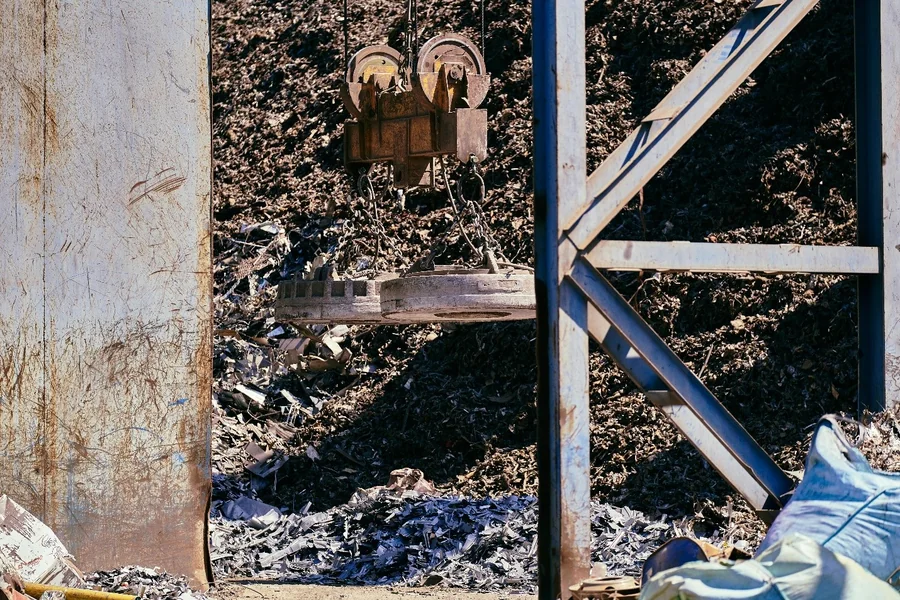
Recycled steel quality control begins with the sorting of the materials. Scrap steel arrives from a wide variety of sources ranging from demolished buildings, vehicles, industrial machinery, old appliances and manufacturing waste. Before it can be reused, the steel must be separated according to grade, composition and condition. This process helps manufacturers ensure that the recycled steel meets the required specifications for structural applications.
Technology upgrades have advanced the sorting processes out and have improved the accuracy of the sorting stage significantly. Modern recycling facilities use magnetic separation systems, sensors, and spectrometers to identify different steel types and remove unwanted contaminants.
2nd stage in the quality check
After the steel has been sorted, the recycled steel is melted and refined. Within this stage, manufacturers closely monitor the chemical composition, to maintain the correct balance of carbon and alloying elements. Structural steel must meet precise standards for strength, flexibility, and durability. If the composition is inconsistent, the steel may become brittle or fail to perform under pressure. Manufacturers conduct laboratory testing to ensure the final product meets industry regulations and engineering requirements. This testing process gives builders and developers confidence that recycled steel can safely support structural loads in real-world environments.
Mechanical testing
Mechanical testing is another key part of ensuring structural integrity. Recycled steel undergoes various performance tests to measure tensile strength, impact resistance, hardness, and flexibility. These tests help determine whether the material can withstand the demands of construction projects, transportation infrastructure, and industrial applications.
Structural steel must be able to perform under stress without cracking or deforming. This is particularly important in regions exposed to heavy winds, earthquakes, or extreme weather conditions. Engineers rely on detailed quality reports to verify that recycled steel products meet national and international building standards before they are approved for use.
Visual inspections
Visual inspections also remain an important part of steel quality control. Even with advanced technology, experienced inspectors play a critical role in identifying surface defects, corrosion, warping, or inconsistencies that could affect performance. Buyers sourcing steel components through fabrication shops near me benefit from choosing facilities where multi-stage visual inspection is a standard part of the production process rather than an afterthought. Structural steel components are often inspected multiple times throughout manufacturing and fabrication to ensure problems are identified early.
After all these processes are helped out by the tech upgrades available but sometimes the human eye can catch things that digital processes may not be able to process.
In recent years, non-destructive testing methods have become increasingly common in the steel industry. These techniques allow inspectors to evaluate steel quality without damaging the material itself. Ultrasonic testing, magnetic particle inspection, and radiographic imaging help detect hidden cracks or internal flaws that may not be visible on the surface. These technologies are particularly valuable for structural projects where safety and long-term reliability are essential.
Recycled steel is a valuable material within the construction industry. It is not only sustainable material to utilize but has financial benefits as well. Lowering constructions costs and its environmental impact.
The future of construction will likely depend heavily on materials that combine environmental responsibility with long-term durability. Recycled steel already plays a major role in that transition. By maintaining rigorous quality checks at every stage of production, the industry can continue building safer, stronger, and more sustainable structures for years to come.