
Common Bathroom Water Problems That Should Never Be Ignored
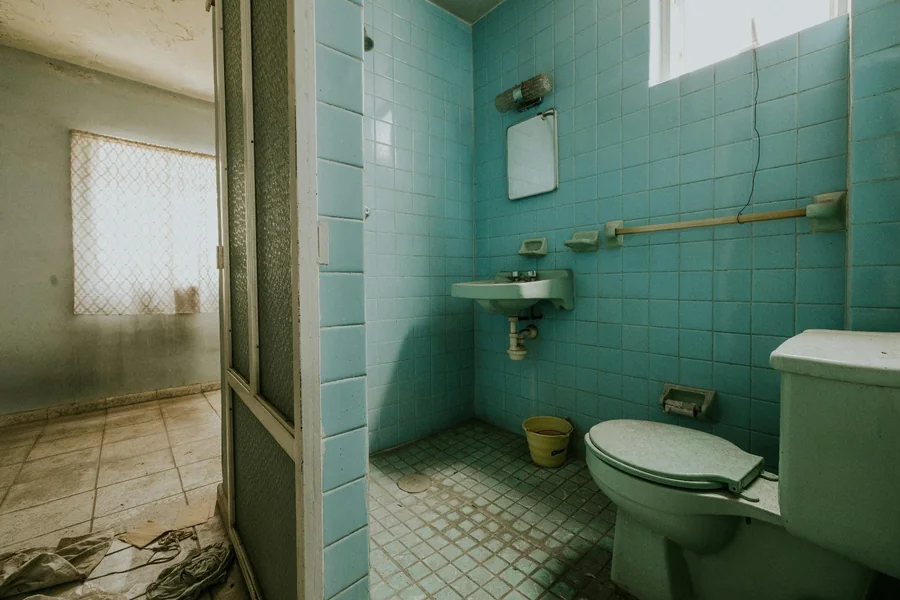
Bathroom water problems usually start quietly, which is probably why people ignore them so easily at first. A damp spot near the toilet, peeling paint above the shower, or that musty smell that keeps returning even after cleaning. Most homeowners notice these things, then put them off because life gets busy and plumbing issues never seem urgent until they are.
The problem is that bathrooms hide moisture well. Water slips behind walls, under flooring, and around fixtures where it sits unnoticed for months. What looks like a minor leak under the sink can slowly spread into damaged drywall, warped floors, or mold growing where nobody thinks to check.
Why Timing Matters
A lot of homeowners wait too long before taking bathroom moisture seriously because the space still looks usable on the surface. Water damage rarely announces itself immediately. The signs stay subtle at first. Grout darkens around tile edges, cabinet corners swell slightly, or the floor starts feeling uneven in one small spot. Since bathrooms deal with water every day anyway, people get used to seeing moisture around and stop questioning it.
That delay creates bigger problems later because trapped moisture spreads quietly through materials designed to absorb it. Drywall weakens, wood framing softens, and mold begins growing in areas most people never check directly. To prevent that extent of damage, homeowners must turn to professional bathroom water damage restoration fast. Timing matters more than most people realize in those situations.
Slow Leaks That Keep Getting Dismissed
Slow leaks are probably the most ignored bathroom issue because they seem manageable at first. A faucet drips occasionally. A pipe under the sink leaks just enough to leave a damp ring inside the cabinet. The toilet shifts slightly when somebody sits down, but it still works fine, so nobody thinks much about it. Small leaks get folded into normal routines until the damage finally becomes visible somewhere else.
The frustrating part is that water rarely stays where the leak starts. It travels through flooring, behind trim, and inside walls before showing up in places that confuse homeowners later. Somebody notices warped baseboards in the hallway and never connects it to the bathroom problem that started months earlier.
Modern homes make this trickier because materials are packed tightly together now. Moisture gets trapped more easily inside insulated walls and under sealed flooring systems. A small leak can sit unnoticed for a long time while mold spreads quietly in dark areas with poor airflow. By the time a smell appears, the problem has usually been active longer than expected.
Weak Ventilation Creates Bigger Problems Than People Think
Bathrooms hold moisture constantly, even without plumbing leaks. Hot showers fill the room with steam, and if that moisture has nowhere to go, it settles into walls, ceilings, and wood trim over time. A weak exhaust fan may seem like a minor annoyance, but poor ventilation slowly changes the condition of the entire room.
You can usually spot the signs early. Mirrors stay fogged for long periods after showers. Paint bubbles near the ceiling corners. Caulk turns dark around tubs and sinks. Sometimes the room develops a stale smell that cleaning never fully removes. People blame old houses for this kind of thing all the time, but ventilation is often the real issue sitting underneath it.
There is also a habit people have now where bathroom fans barely get used because everyone wants quieter appliances. Homeowners replace loud fans with decorative ones that move less air, then wonder why moisture problems keep returning. It sounds minor, but airflow matters more than aesthetics in small humid spaces.
Cracked Grout and Damaged Caulk
Tile bathrooms create a false sense of protection because people assume tile blocks water automatically. The tile itself usually does fine. The weak spots are the grout lines and caulk joints around tubs, sinks, and showers. Once those areas crack or separate, moisture slips behind surfaces where it becomes difficult to monitor directly.
The damage builds slowly enough that homeowners often adjust to it without realizing. Water pools near the shower edges daily. Small stains appear around corners. Floors stay damp longer than they used to. Since none of it looks urgent right away, repairs get delayed until sections of tile loosen or nearby drywall softens.
Bathrooms are rough environments for sealing materials anyway. Heat, humidity, and constant expansion from moisture wear them down over time. Even well-maintained bathrooms need periodic resealing, although most people only notice after visible damage appears. That pattern repeats constantly in older homes, especially.
Overflow Problems That Keep Returning
Overflowing toilets, clogged drains, and backed-up tubs create a different type of water problem because the damage happens quickly and usually carries contamination concerns, too. Even one overflow can soak flooring, trim, and lower drywall sections before cleanup begins. If water reaches nearby carpet or wood flooring outside the bathroom, repairs spread fast.
The bigger issue is when overflows become recurring. Repeated clogs often point toward deeper plumbing problems inside drain lines that homeowners temporarily work around instead of fixing properly. People keep buying stronger drain cleaners or plunging the toilet harder every few weeks while the underlying issue keeps worsening quietly.
Some homeowners also underestimate how damaging dirty water becomes once it reaches absorbent materials. Towels clean the visible mess, but moisture remains trapped underneath surfaces long after the room looks dry again. That is where odor problems usually begin later.
Floors That Feel Soft or Uneven
Bathroom flooring problems usually appear late in the damage process, which is why they should never be ignored once noticed. Soft spots near toilets or tubs often mean water has already been affecting the subfloor underneath for a while. The flooring material on top may still look decent, but the support underneath starts weakening gradually.
People sometimes convince themselves the floor has “always felt like that,” especially in older homes. Then one day, the tile cracks unexpectedly or the toilet begins shifting slightly during use. At that stage, repairs often involve more than surface replacement because moisture has already reached structural layers underneath.
Water damage tends to move quietly until something physical changes enough to force attention. That is really the pattern behind most bathroom problems. The warning signs show up early, but they look small enough to postpone dealing with. Then months pass, life stays busy, and the repair turns into a larger project nobody planned for in the first place.