
The Importance of Early Treatment for Bone and Joint Problems
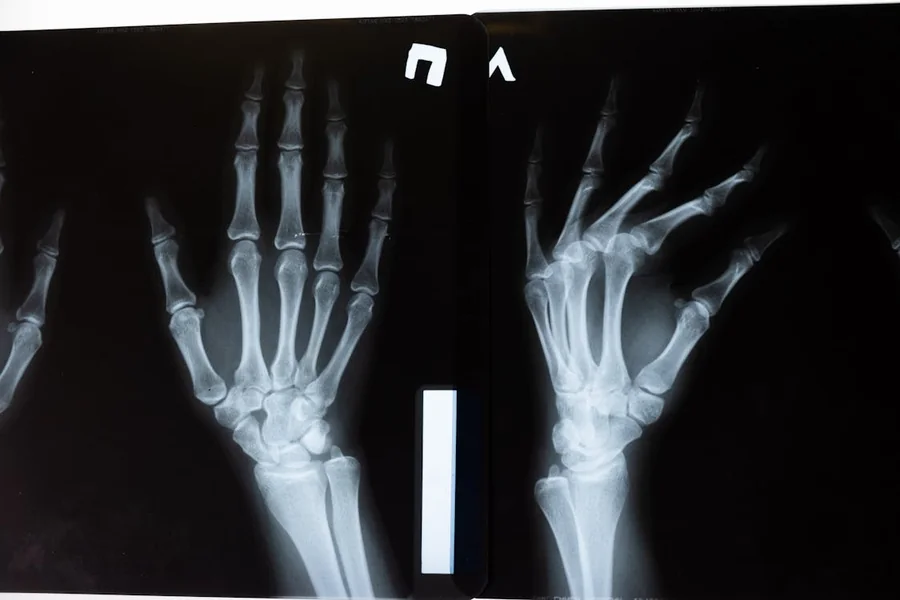
Have you ever ignored a sore knee or stiff shoulder and told yourself it would “work itself out”? Most people in Tigard and across the country do exactly that, especially when life already feels expensive, busy, and glued to screens. Yet bone and joint problems rarely disappear on their own. Early treatment can prevent long-term pain, reduce medical costs, and keep people active longer at a time when Americans are living more sedentary lives than ever before.
Why Small Aches Turn Into Bigger Problems
Many bone and joint conditions begin quietly. A little stiffness after sitting too long or a dull ache after walking upstairs often feels harmless. The trouble is that joints wear down slowly, and by the time pain becomes constant, damage may already be serious. Arthritis, tendon injuries, and cartilage loss usually progress in stages, not overnight disasters.
Modern work culture makes this worse. Millions of Americans now spend entire days hunched over laptops, then try to “fix” their bodies during one intense weekend workout. Orthopedic specialists joke that Monday mornings are full of people who played pickleball like they were auditioning for the Olympics. Early treatment helps catch strain before it becomes a long recovery story involving braces, injections, and endless physical therapy appointments.
The Cost of Waiting Too Long
Healthcare costs continue rising, which pushes many people to delay treatment until pain becomes impossible to ignore. Unfortunately, postponing care often creates larger medical bills later. A mild knee issue treated with stretching, therapy, and activity changes can eventually become a surgical problem if ignored for years.
People searching for the best orthopedic doctors in Tigard are often surprised to learn how much can be done early without surgery. Doctors may recommend targeted exercises, anti-inflammatory treatments, posture adjustments, or weight management plans before damage becomes severe. Early intervention also shortens recovery times and helps patients return to work and daily routines faster. That matters in a culture where many workers already struggle to balance careers, family responsibilities, and rising living costs.
Early Treatment Protects Mobility
Mobility affects nearly every part of life, from walking the dog to carrying groceries without pain. Once movement becomes limited, people often stop exercising, which creates a chain reaction throughout the body. Reduced activity increases the risk of obesity, heart disease, diabetes, and even depression.
This connection has become more visible as wearable fitness devices track daily movement. Americans now receive constant reminders that they are not walking enough, standing enough, or sleeping enough. While the notifications can feel annoying, they highlight an important truth. Healthy joints allow people to stay active, independent, and socially connected. Early treatment protects that freedom before pain begins controlling everyday choices.
Sports Culture Is Fueling More Injuries
Youth sports have become increasingly competitive, and orthopedic clinics are seeing younger patients with overuse injuries that were once common mainly in adults. Teenagers now specialize in single sports year-round, placing repetitive stress on developing bones and joints. Parents who once worried mostly about homework are now learning about ACL tears and shoulder instability.
Professional athletes have also changed public attitudes toward recovery. Fans regularly hear about players receiving advanced treatments immediately after injuries because teams understand that waiting creates long-term problems. Ironically, everyday people often do the opposite by ignoring symptoms for months. The body does not care whether someone is a professional athlete or a parent chasing toddlers around Target. Early care still matters.
Technology Is Changing Orthopedic Care
Orthopedic medicine has evolved far beyond giant casts and vague advice to “rest for a few weeks.” Doctors now use advanced imaging, minimally invasive procedures, and customized rehabilitation programs to identify problems earlier and treat them more effectively. Some clinics even use motion analysis technology to study how patients walk or run.
Telehealth has also expanded access to orthopedic consultations, especially for people juggling work schedules. During the pandemic, many Americans became comfortable discussing medical concerns online first before visiting clinics in person. That shift reduced delays in care for countless patients. It turns out people are far more willing to seek help when they do not have to spend half the day sitting in a waiting room beside outdated magazines and an aggressively loud television.
Pain Affects Mental Health Too
Chronic pain changes more than physical comfort. It affects mood, energy, sleep, and relationships. People dealing with untreated joint problems often become less social because activities they once enjoyed start feeling exhausting or painful. Even simple tasks like driving, cooking, or climbing stairs can create frustration over time.
Researchers continue finding strong links between chronic pain and mental health struggles, particularly anxiety and depression. Early treatment reduces the likelihood of pain becoming a permanent part of daily life. Physical therapy, exercise, and proper medical guidance can improve both mobility and emotional well-being. In many cases, restoring movement helps people regain the confidence and independence they did not realize they were losing.
Prevention Works Better Than Repair
American healthcare often focuses more on fixing problems than preventing them. Orthopedic care shows why that approach can backfire. Strength training, stretching, supportive footwear, and healthy body weight all reduce stress on bones and joints. Yet many people only think about these habits after an injury forces them to.
The rise of wellness culture has created more awareness around preventive care, although social media sometimes turns basic advice into dramatic trends. Expensive recovery gadgets and influencer-approved ice baths may look impressive online, but consistent habits matter far more. Walking regularly, improving posture, and addressing pain early remain some of the most effective ways to protect joint health without spending thousands of dollars.
Ignoring bone and joint pain may feel easier in the short term, especially when schedules are packed and healthcare feels expensive. Still, early treatment remains one of the smartest investments people can make in their long-term health. Small problems are usually easier, cheaper, and faster to treat before they grow into larger conditions that affect mobility and independence. In a society already struggling with stress, screen time, and sedentary habits, protecting the body’s ability to move freely has become more important than ever.