
Why National Ocean Month Matters for Our Health and Planet
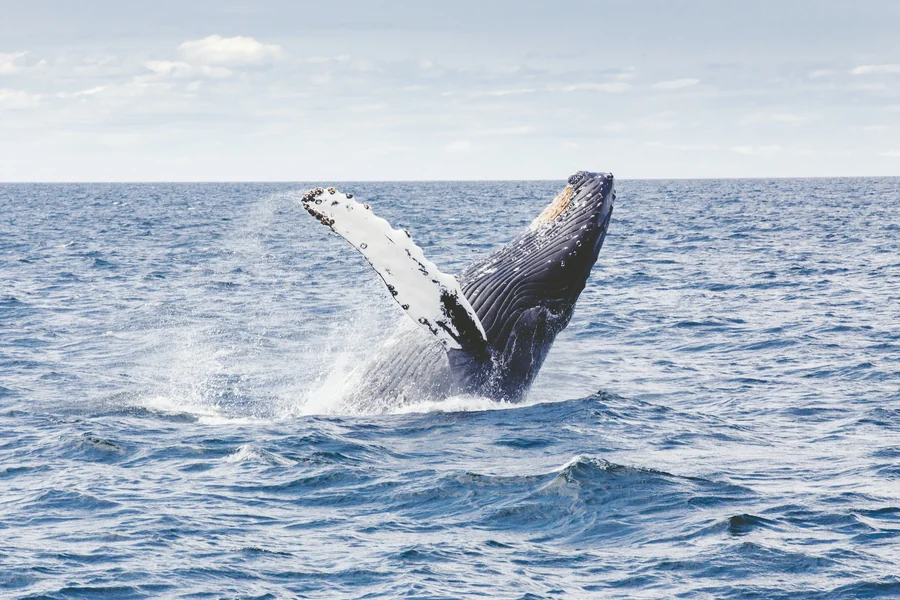
Every June, National Ocean Month is a reminder that the ocean affects nearly every breath you take, every meal you eat, and even your long-term health. While many people associate the ocean with vacations, surfing, or marine animals, it actually plays a critical role in regulating Earth’s climate, producing oxygen, and supporting the ecosystems humans rely on to survive.
In other words, protecting the ocean is about protecting sea turtles, coral reefs, and people, too. The connection between ocean health and human health has become even more fascinating in recent years, thanks to discoveries in marine science involving dolphins.
Researchers studying dolphin longevity uncovered surprising insights into a healthy fatty acid called C15:0, which eventually inspired the development of Fatty15, a supplement focused on supporting cellular health and healthy aging. It’s a powerful reminder that the ocean still holds countless discoveries that could shape the future of human wellness.
Why National Ocean Month Exists
National Ocean Month was created to raise awareness about the importance of ocean conservation and the growing environmental challenges facing marine ecosystems. From rising ocean temperatures to plastic pollution and overfishing, the world’s oceans are under increasing pressure. However, this is a human issue as well as an environmental one.
The ocean produces more than half of the world’s oxygen and helps regulate global temperatures by absorbing heat and carbon dioxide. Healthy oceans also support billions of people through food, jobs, transportation, and tourism. When marine ecosystems suffer, communities and economies often do, too.
Fortunately, National Ocean Month is an opportunity to celebrate the beauty, resilience, and scientific importance of the ocean while encouraging people to make small changes that can collectively have a meaningful impact.
The Ocean’s Hidden Role in Human Health
Most people don’t immediately connect ocean conservation with personal wellness, but the relationship is surprisingly strong. Oceans provide nutrient-rich foods, help purify the air, and even contribute to mental well-being. Studies have shown that spending time near the water can even reduce stress and improve mood.
Marine research has also contributed to major medical and scientific breakthroughs over the years. Some compounds found in ocean organisms have helped inspire treatments and innovations in medicine, while marine animals continue to teach researchers about resilience and longevity.
What Dolphins Can Teach Us About Longevity
Dolphins are among the most biologically fascinating creatures in the ocean. Scientists studying dolphin health discovered that these marine mammals maintain unusually strong metabolic health as they age, and that research eventually led to increased interest in pentadecanoic acid (C15:0), a fatty acid linked to cellular stability and healthy aging.
It’s an unexpected but fascinating example of how studying marine life can influence human health research, and why protecting ocean ecosystems matters far beyond the shoreline.
Healthy Oceans Mean Healthy Food Systems
The ocean is one of the world’s most important food sources, providing nutrition for billions of people every single day. Fish, seaweed, and other marine foods supply essential nutrients that support heart, brain, and overall health. But maintaining those food systems depends on keeping marine ecosystems balanced and healthy.
Overfishing, pollution, and habitat destruction can disrupt the delicate chain of life beneath the surface. When fish populations decline or coral reefs disappear, the effects ripple outward, impacting coastal communities, global food supplies, and marine biodiversity alike.
Healthy oceans also support scientific discoveries that may influence future nutrition and wellness research. From omega fatty acids to emerging studies on cellular health, marine science continues to reveal how deeply connected human well-being is to ocean ecosystems.
Small Ocean Problems Become Big Human Problems
One of the biggest misconceptions about ocean issues is that they only affect people living near the coast. In reality, what happens in the ocean eventually impacts everyone.
Take plastic pollution, for example. Millions of tons of plastic enter the ocean every year, breaking down into tiny particles called microplastics. These particles have been found in seafood, drinking water, and even the air people breathe. Meanwhile, warming oceans contribute to stronger storms, flooding, and disruptions to weather patterns around the world.
The good news is that small actions can still make a difference. Reducing single-use plastics, supporting sustainable seafood choices, and participating in local cleanups may seem minor individually, but collectively they help protect marine ecosystems for future generations.
Final Thoughts: Protecting the Ocean Protects Us
National Ocean Month is ultimately a reminder that the health of the planet and people’s health are deeply connected. The ocean provides people with oxygen, food, scientific discoveries, and even unexpected insights into healthy aging, as seen in animals like dolphins.
Protecting the ocean starts with awareness and small everyday choices. Because when people care for the ocean, they’re also investing in a healthier future for themselves, their communities, and generations to come.