
Can You Sue a Property Owner for Exposure to Dangerous Chemicals?
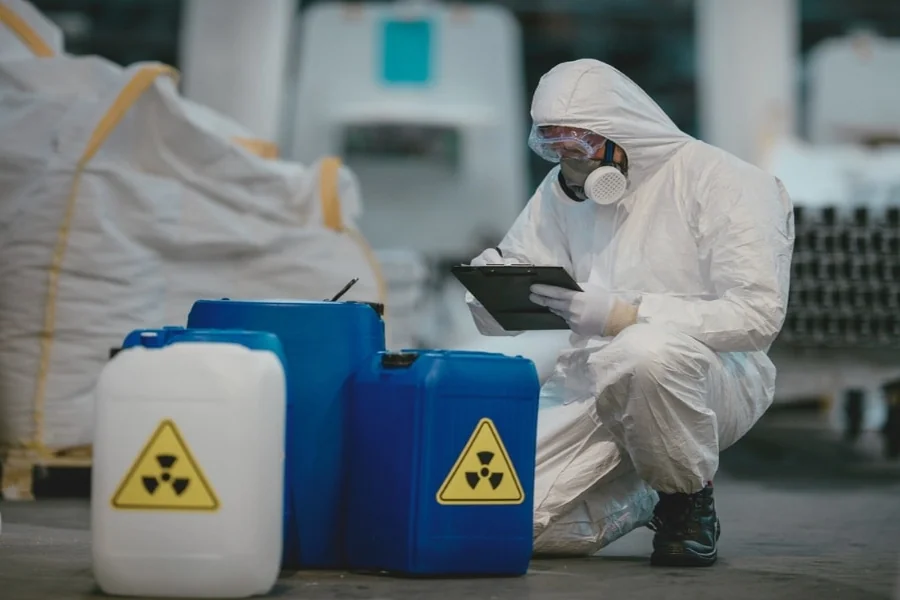
Exposure to dangerous chemicals can happen in places where people expect to be safe, including apartment buildings, stores, offices, schools, hotels, parking garages, and shared residential spaces. Sometimes the danger is obvious, such as a strong odor or visible spill, but other times the hazard is hidden until symptoms begin.
When a property owner fails to address toxic substances, unsafe cleaning products, chemical leaks, fumes, mold-related toxins, lead, asbestos, or other hazardous materials, injured people may have legal options. A premises liability lawyer in Brooklyn, NY, can help determine whether the exposure was connected to unsafe property conditions and whether the owner may be responsible.
How Chemical Exposure Can Happen on Someone Else’s Property
Chemical exposure can happen in various ways. A tenant might breathe in fumes from improper renovations, a shopper could slip or inhale vapors from a spill, or a visitor might become ill after being exposed to pesticides, cleaning products, gas leaks, or improperly stored industrial materials.
These exposures can be the result of a one-time incident or repeated contact over days, weeks, or even months. The source of the hazard may include leaking containers, poor ventilation, unsafe maintenance practices, contaminated water, old building materials, or the careless use of chemicals by staff, contractors, or property managers.
When a Property Owner May Be Responsible
A property owner may be responsible when they knew or should have known about a dangerous chemical condition and failed to fix it, warn people, restrict access, or hire qualified professionals to address the hazard. The claim may focus on whether the owner acted reasonably once the risk became known.
For example, if tenants complained about strong fumes, workers reported a spill, or a building had known asbestos or lead hazards, the owner may have had notice. Ignoring these warnings can make the situation more serious, especially if people were allowed to continue using the affected area without protection.
Common Hazardous Substances in Premises Liability Claims
Chemical exposure claims may involve many dangerous substances, including:
- Cleaning solvents
- Pesticides
- Paint fumes
- Carbon monoxide
- Fuel
- Pool chemicals
- Construction materials
- Lead paint
- Asbestos
- Mold toxins
- Sewer gases
- Improperly stored maintenance products
The type of substance matters because each hazard may require different proof, such as appliance records, renovation history, testing results, medical records, or evidence of unsafe storage
Symptoms That May Point to Chemical Exposure
Chemical exposure can cause symptoms right away or develop over time. Possible signs may include:
- Headaches
- Dizziness
- Nausea
- Coughing or breathing problems
- Skin burns or eye irritation
- Confusion or fatigue
- Worsening asthma
- Neurological problems
- Organ damage
- Long-term respiratory issues
- Developmental concerns
Medical records, lab tests, specialist notes, and emergency treatment records can help connect the exposure to the harm suffered.
The Role of Notice and Prior Complaints
Notice is often a key issue in chemical exposure claims. The injured person may need to show that the owner, landlord, business, or property manager knew about the hazard or should have discovered it through reasonable inspections and maintenance.
Prior complaints can be powerful evidence. Reports of strange odors, leaks, illness among tenants, poor ventilation, damaged pipes, peeling paint, or unsafe storage may show that the danger existed before the injury. Emails, maintenance requests, text messages, inspection reports, and witness statements can help establish that the owner had a chance to act.
Evidence That Can Help Prove the Exposure
Chemical exposure cases often depend on strong documentation. Helpful evidence may include photos, videos, medical records, environmental testing, air quality reports, water tests, product labels, safety data sheets, maintenance logs, repair records, incident reports, contractor records, and communications with the property owner.
It can also help to document the timeline carefully. Important details may include when symptoms began, where the person was exposed, how long the exposure lasted, whether others became sick, what odors or substances were present, and whether the owner took action after complaints were made.
Why Contractors and Maintenance Companies May Also Be Involved
Sometimes the property owner is not the only possible responsible party. A contractor may have released fumes during renovation work, a cleaning company may have mixed chemicals improperly, or a maintenance provider may have stored hazardous materials in an unsafe location.
These cases may require reviewing contracts, work orders, invoices, and service records to determine who caused the hazard and who controlled the area. If multiple parties contributed to the exposure, each may try to shift blame. A careful investigation can help identify who had the duty to prevent or correct the dangerous condition.
When Chemical Exposure Becomes a Serious Property Safety Issue
A chemical exposure claim is not just about the presence of a harmful substance. It is about whether the property was managed safely, whether warnings were ignored, and whether people were placed in danger because reasonable precautions were not taken.
When dangerous chemicals are left unaddressed, the effects can reach far beyond one moment of discomfort. Exposure may lead to medical bills, missed work, long-term symptoms, emotional stress, and uncertainty about future health. Understanding how the exposure happened is the first step in determining whether a premises liability claim may be available.