
Sectional Sofas for Open Floor Plans: Configuring Seating That Defines Space Without Walls
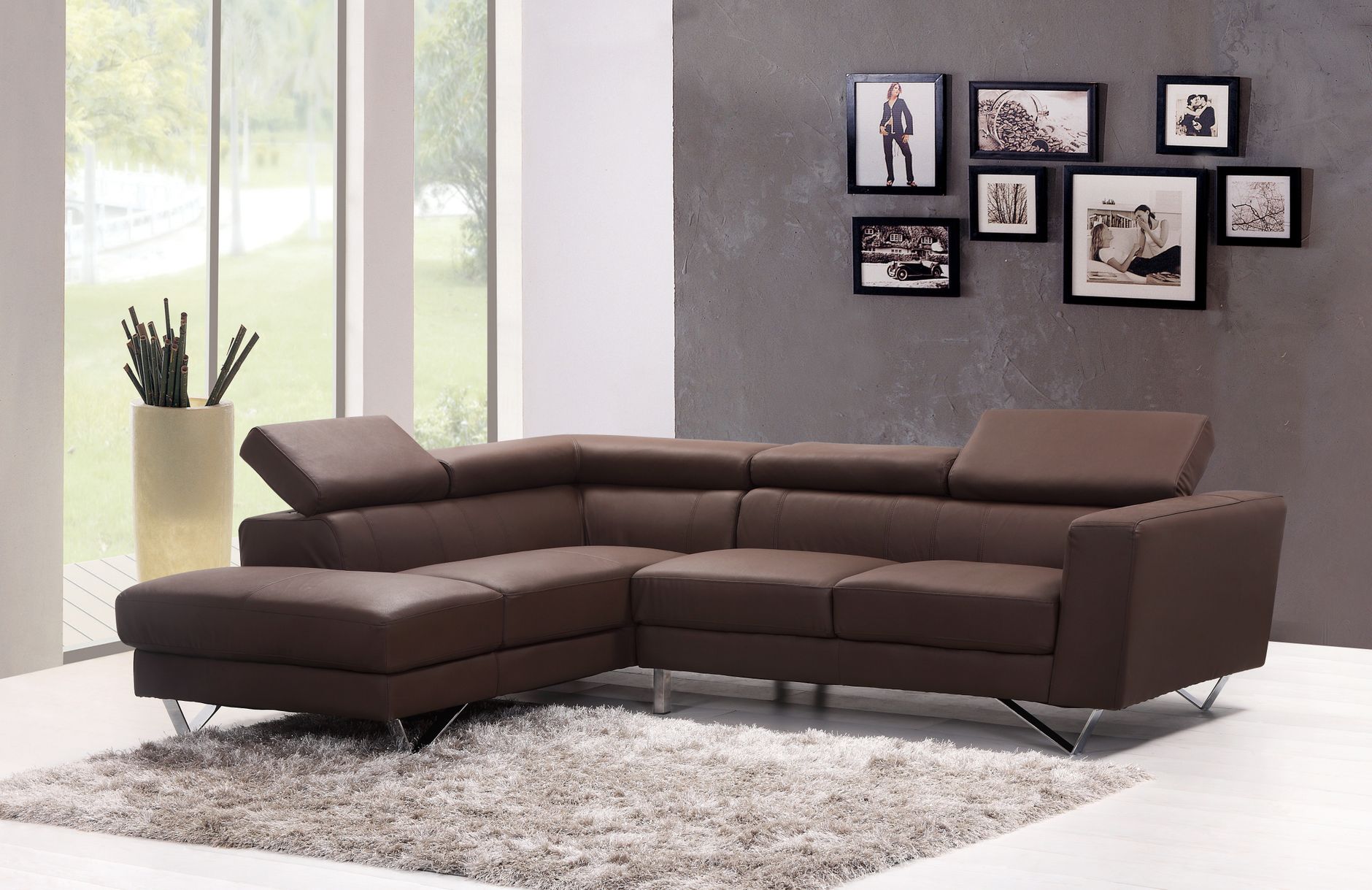
Open floor plans offer daylight, flexibility, and easy movement, yet they can leave a large shared area feeling visually unmoored. A sectional sofa helps establish order without adding hard barriers. Its footprint can guide foot traffic, support conversation, and signal where rest begins. With careful placement, scale, and upholstery, one seating piece gives an open interior greater clarity, better comfort, and a stronger sense of daily use.
Start With Room Lines
Every open room has natural sight paths, and those lines should shape sofa placement before style enters the discussion. A sectional usually works best where it frames the living area while still respecting daylight, views, and nearby circulation. In many homes, that means facing a fireplace or media wall. Such positioning separates lounging from cooking, dining, or entry movement without closing off the larger plan.
Measure the Social Zone
Dimensions should be studied before any configuration is chosen, because an oversized frame can weaken circulation and reduce visual calm. During planning, many homeowners compare chaise reach, seat depth, and arm width at a premium sectional sofa Fort Lauderdale showroom, then relate those measurements to dining clearance, island spacing, and the distance needed for easy walking between active household zones.
Use Shape to Mark Function
Shape does much of the zoning work in an open interior. An L-shaped sectional can define one edge of a seating area with clean efficiency. U-shaped layouts suit broader rooms that center social interaction. Curved silhouettes soften rigid architecture and reduce visual harshness. Compact profiles, especially those with exposed legs, keep the arrangement readable from adjoining areas while still giving the lounge a clear identity.
Protect Traffic Flow
Circulation deserves the same attention as comfort. A sectional should never force abrupt turns or narrow the route between the kitchen, table, and entry. Most open layouts benefit from generous clearance behind the back and around the chaise end. That extra margin keeps movement smooth and reduces visual crowding. Guests can pass through the room naturally without interrupting someone reading, talking, or watching television.
Balance Openness With Comfort
Open rooms can feel exposed when furnishings are too small or dispersed. A sectional introduces a contained seating zone, which helps a large footprint feel calmer and more usable. At the same time, bulk must be managed with discipline. Lower backs, slim arms, and lighter textiles reduce heaviness. Those details preserve airiness while still giving the body proper support during longer periods of sitting.
Pair With Anchoring Pieces
A sectional performs best when nearby pieces reinforce its footprint. A rug placed fully, or nearly fully, beneath the seating group clarifies the living zone immediately. Coffee tables, side chairs, and lighting should then support that boundary rather than compete with it. A pendant or floor lamp can sharpen focus further. Together, these elements help the arrangement feel deliberate, settled, and easy to understand.
Choose Materials for Real Use
Material choice affects maintenance, temperature, and visual weight. Performance fabric suits homes with children, pets, or frequent guests because routine care stays manageable. Leather creates a cleaner outline and can bring stronger definition to a modern room. Cushion fill matters as much as surface finish. Supportive seating retains shape longer, which helps the sectional keep a crisp edge and dependable comfort over years of use.
Let the Back Do Design Work
In an open plan, the back of the sofa is rarely hidden, so it should be visually appealing from every angle. Tight tailoring, balanced proportions, and refined stitching make a stronger impression than decorative excess. Some layouts also benefit from a console placed behind the frame. That addition offers storage, lighting, or display space while creating a subtle transition between the living zone and nearby activity areas.
Conclusion
Sectional sofas work especially well in open floor plans because they define function through proportion, orientation, and shape instead of fixed partitions. The right arrangement can improve circulation, support comfort, and give each household zone clearer purpose. With accurate measurements, thoughtful materials, and a few anchoring companions, one seating composition can organize a broad interior gracefully. That balance helps a shared room feel calm, practical, and cohesive every day.