
A Manufacturing Perspective: What Makes a High-Quality Hoodie?
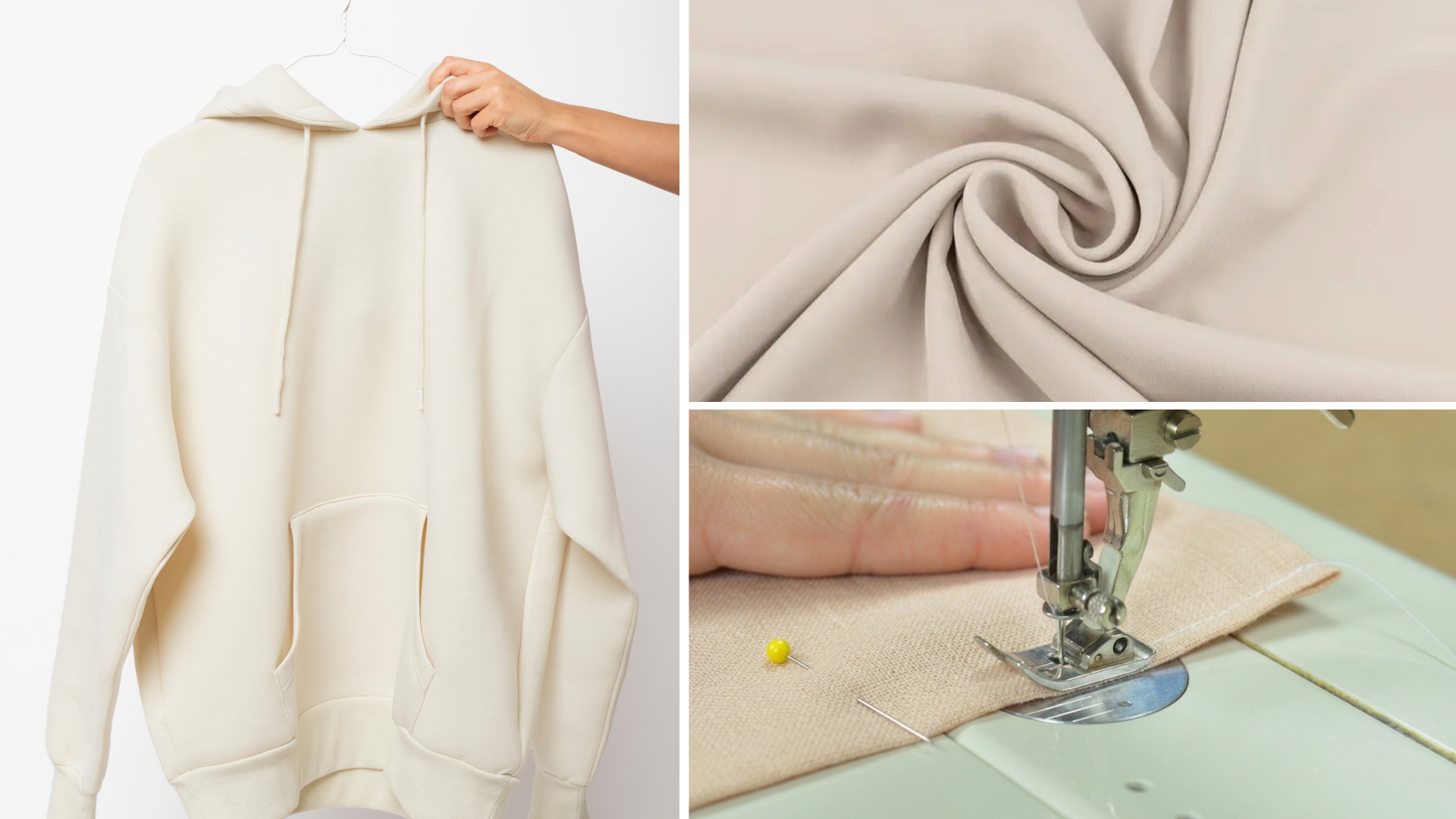
A hoodie may look simple on the outside, but from a manufacturing perspective, it is a product where many technical details come together. Fabric choice, construction methods, fit, and finishing all play a critical role in determining how the garment feels, performs, and lasts over time. Understanding what actually makes a hoodie high quality helps brands move beyond surface-level design and focus on the elements that truly define durability, comfort, and overall value.
Fabric Quality
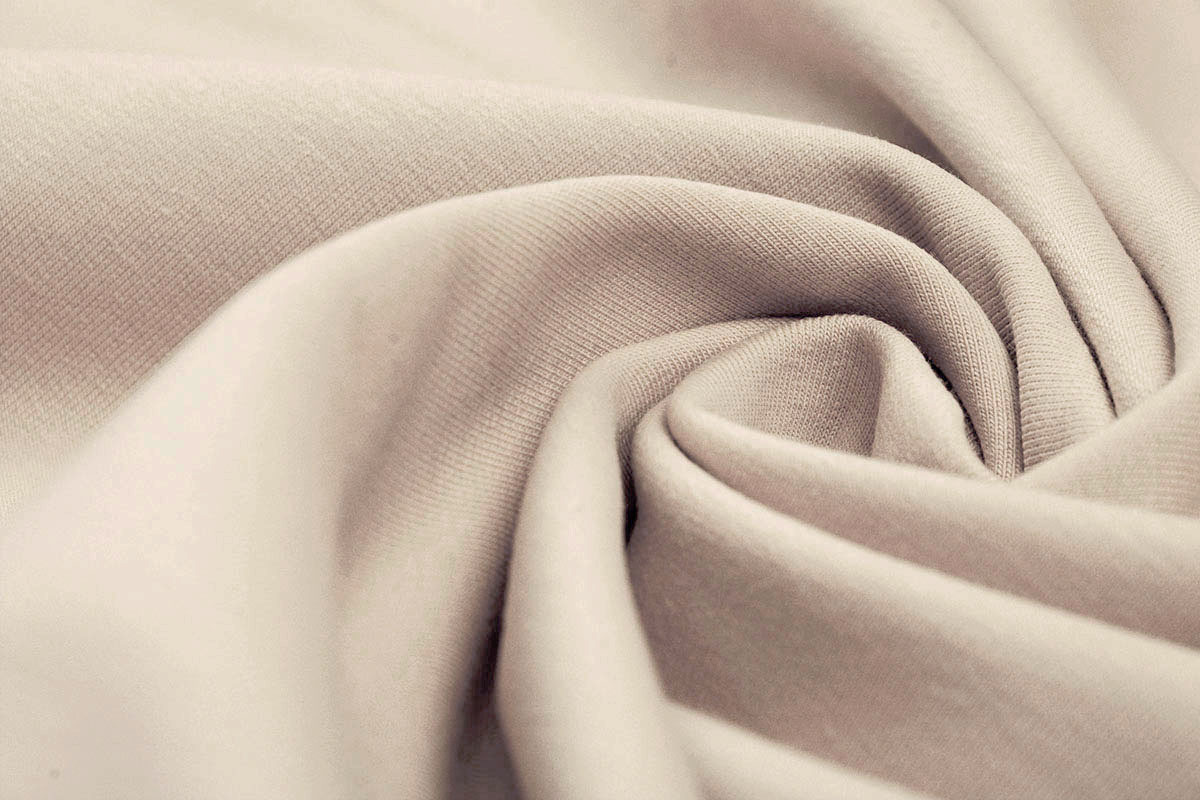
High-quality hoodies generally feature a 350-450 GSM weight, using 100% cotton for softness or an 80/20 cotton/polyester blend for durability and shape retention. Premium options include French terry or heavy fleece, while a 400-500 GSM range is ideal for luxury, thick garments. One of the key technical factors is GSM (fabric weight), which influences how thick, heavy, or structured the hoodie feels. A higher GSM usually gives a more premium and substantial handfeel, while lower GSM fabrics are lighter and more suitable for layering or transitional wear.
However, fabric quality is not only about thickness or softness. Shrinkage control, pilling resistance, and colorfastness are equally important in ensuring the hoodie maintains its appearance after repeated washing. A fabric that feels good initially but loses shape or develops pilling over time will significantly reduce the perceived quality of the product. This is why fabric finishing treatments such as enzyme washing or anti-pilling processes are often applied to improve stability and extend garment lifespan.
Construction and Stitching
While fabric defines the base quality, construction and stitching determine how well a hoodie holds its shape and performs in real use. Hoodies are high-stress garments, especially around areas like the shoulders, armholes, cuffs, pocket openings, and hem. If stitching is weak or poorly executed, the garment can easily deform, stretch out, or tear over time, even if the fabric itself is high quality.
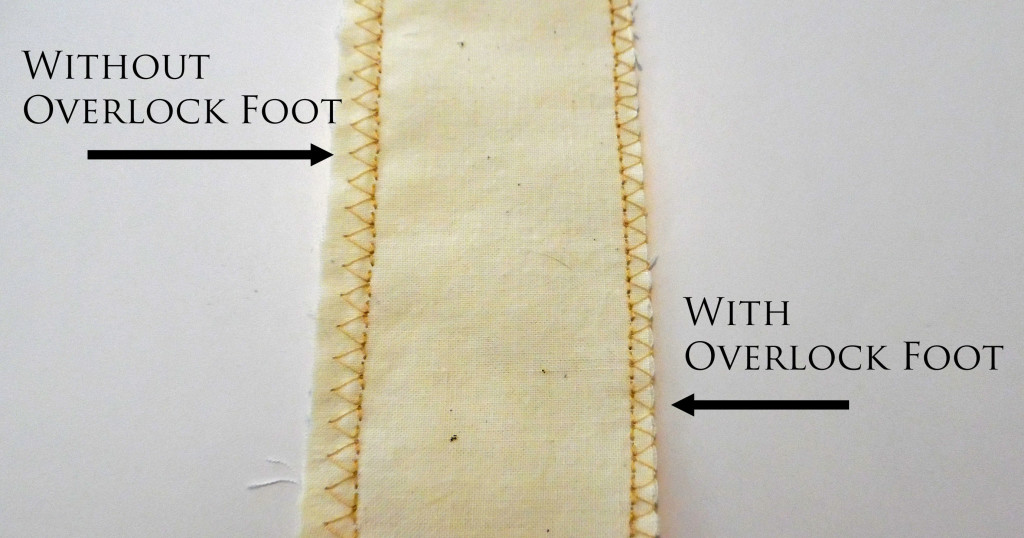
Different stitching techniques play a key role in durability and comfort. For example, overlock stitching is commonly used for internal seams to secure structure, while coverstitch is often applied on hems and cuffs to provide stretch and flexibility without breaking the seam. In higher-quality hoodies, reinforced stitching or additional seam taping may be used at stress points to improve strength and longevity.
Another important factor is consistency in construction across production, especially in mass manufacturing. Small variations in seam alignment, tension, or stitch density can affect both appearance and fit. This is particularly important in cut and sew manufacturing, where precision at every stage of cutting, stitching, and assembly directly influences the final garment’s durability, fit, and overall quality. This is why experienced manufacturers pay close attention not only to design execution but also to production control, ensuring that every piece maintains the same level of quality from sample to bulk production.
Details & Components
Beyond fabric and construction, the small components of a hoodie play a major role in how “premium” the final product feels. Elements such as drawstrings, eyelets, zippers (for zip hoodies), labels, and trims may seem minor, but they strongly influence both functionality and perceived quality.
For example, drawstrings can vary from simple cotton cords to more structured, durable options with metal or silicone tipping. Eyelets should be reinforced to prevent tearing over time, especially in repeated use and washing. In zip hoodies, the choice of zipper is critical – brands often rely on higher-quality options like YKK zippers to ensure smooth operation and long-term durability. Even details like label placement, neck tags, or woven branding can impact how refined the product feels to the end customer.
Pocket design is another important component. The classic kangaroo pocket must be properly aligned and reinforced at stress points to avoid sagging or tearing. Small adjustments in placement and stitching can significantly improve both durability and visual balance.
Finishing Treatment
Finishing treatment is the final stage that defines the hoodie’s surface quality, comfort, and long-term performance. This process can significantly upgrade a basic garment into a more premium product through specialized treatments applied after sewing.
Common finishing methods include garment washing, enzyme washing, and brushing, which help improve softness and create a more lived-in handfeel. Brushed fleece finishing, for example, enhances warmth and comfort by raising the inner fibers, making the hoodie feel softer against the skin.
Other important treatments focus on durability and appearance. Anti-pilling treatment helps reduce fiber balls after repeated wear, while silicone or softener washes improve smoothness and drape. Additionally, colorfastness enhancement ensures that the hoodie retains its original color even after multiple washes, which is critical for maintaining a consistent brand quality standard.
In many cases, finishing is what separates a basic hoodie from a truly high-quality one, as it directly affects how the garment feels, looks, and performs in everyday use.
Why the Right Hoodie Manufacturer Matters
Choosing the right hoodie manufacturer is not just about finding someone to produce the garment, it directly affects the final product’s quality, consistency, and scalability. In many cases, the manufacturer becomes an extension of the brand’s development team, playing a critical role from the early design stage all the way to bulk production.
One of the most important roles of a strong manufacturer is technical consultation. Hoodies may look simple, but decisions around fabric selection, GSM, shrinkage control, stitching methods, and finishing treatments require real production knowledge. An experienced manufacturer can guide brands toward the most suitable fabric options, suggest practical construction methods, and highlight potential risks that may not be visible at the design stage. This helps brands avoid choices that look good on paper but fail in real production or long-term wear.
Beyond consultation, the manufacturer is also responsible for turning design into a workable product through sampling and development. This stage is where patterns are refined, fit is adjusted, and construction details are tested in real fabric. A strong manufacturer doesn’t just follow instructions, they actively help translate design intent into something that is both functional and manufacturable, ensuring the hoodie performs well in real-life use.
Choosing the right hoodie manufacturer is not just about finding someone to produce the garment, it directly affects the final product’s quality, consistency, and scalability
Another critical responsibility is production control and quality consistency. Even a well-made sample means little if bulk production is inconsistent. The right manufacturer ensures that every piece produced matches the approved sample in terms of fit, stitching quality, fabric behavior, and finishing. This includes controlling tolerances, monitoring sewing quality, and maintaining consistency across large production runs.
Finally, a reliable manufacturer helps brands reduce risk in scaling production. They can identify potential issues early such as fabric instability, construction weaknesses, or finishing inconsistencies and adjust the process before mass production begins. This not only improves efficiency but also protects brand reputation by ensuring that the final product delivered to customers is stable and reliable.
In essence, the right hoodie manufacturer is not just a production partner, but a key contributor to product success bridging the gap between design vision and real-world performance through expertise in development, execution, and quality control.