
Sectional Doors in 2026: What’s Changed and Why It Matters for Industrial Sites
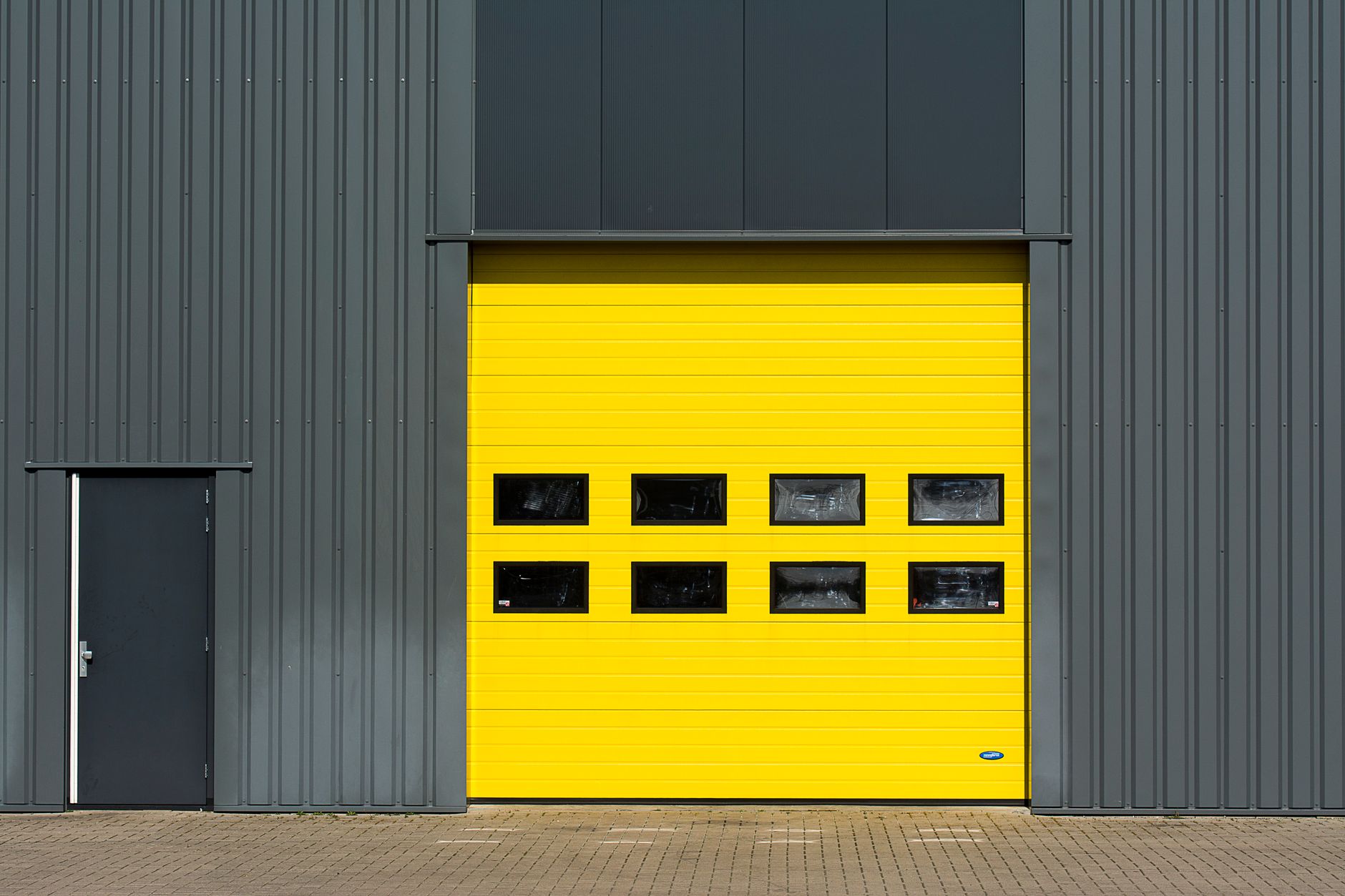
Industrial facilities have long relied on dependable access control, but 2026 has marked a genuine turning point in how sites think about that infrastructure. Sectional doors are no longer a basic necessity. They now directly influence energy performance, security outcomes, and day-to-day operational flow.
For site managers weighing infrastructure decisions, knowing what has shifted and what it means in practice is the foundation of a sound investment.
Smarter Insulation Standards Are Now the Baseline
Thermal performance used to sit near the bottom of the specification list for industrial doors. That priority has reversed. Between tightening energy regulations and sustained pressure on utility budgets, insulation ratings now drive purchasing decisions at facilities of all sizes.
Current-generation sectional doors are built with multi-layer insulation cores engineered to hold stable internal temperatures through repeated daily cycles. In cold storage, food processing, and pharmaceutical environments, that stability is not a comfort feature. It is a compliance requirement. A door that bleeds temperature during a busy shift creates product integrity risks that carry real regulatory consequences.
Sites that completed panel upgrades over the past two years have seen verifiable reductions in heating and cooling load. The savings are not minor.
Automation Has Become Standard, Not Optional
Control Systems Have Advanced Rapidly
As recently as 2024, automation was treated as a premium tier. By 2026, integrated control systems are shipping as standard on most industrial-grade sectional doors. Variable speed motors, remote diagnostics, and programmable cycle management are now baseline specifications rather than optional upgrades.
That change matters in practical terms. Manual operation has always introduced delay and inconsistency in high-traffic loading bay environments. Removing that variable improves throughput and reduces the scope for operator error.
Safety Sensors Have Improved
The obstruction detection built into current door systems responds faster and reads more accurately than earlier generations. At entry points where heavy vehicle movements are constant, that improvement in sensor response translates directly into fewer incidents.
For facilities operating under formal safety frameworks, the enhancement is not just a performance gain. Faster, more reliable detection is a compliance obligation in many jurisdictions.
Panel Design Has Evolved for Durability
Steel Gauges and Coating Technology
Panel construction has improved across the industry. Heavier gauge steel, combined with advanced powder-coat finishes, now handles corrosive conditions more effectively in humid or chemically active sites. Facilities near coastal zones or those processing chemical compounds benefit most from this development.
The operational payoff is a longer interval between maintenance cycles. Doors that previously needed repainting or panel work within five years are holding up considerably longer under comparable wear conditions.
Modular Panel Systems
Repair logistics have improved in step with panel quality. Modular configurations mean damaged sections can be swapped out individually, without replacing the full door. For loading dock environments where impact damage is routine, that approach cuts both downtime and replacement costs in a meaningful way.
Integration With Site Management Systems
Perhaps the most significant development of 2026 is how sectional doors now communicate with broader facility infrastructure. Cycle counts, access logs, and maintenance alerts can be fed directly into central monitoring platforms.
For large sites with multiple entry points, this visibility completely transforms the maintenance model. Reactive repair schedules are giving way to predictive planning built on real usage data. A door flagged for high cycle frequency gets serviced before it fails, not after.
Security protocols benefit as well. Entry and exit events tied to access credentials create an auditable record that satisfies both insurer requirements and internal governance obligations.
Why the Timing Matters
Infrastructure decisions in industrial settings carry long lead times. Doors specified today will be in service for ten years or more. The performance gap between current systems and pre-2020 installations is wide enough that delayed upgrades carry a compounding cost in energy waste, maintenance overhead, and safety exposure.
Facilities still running older door systems are almost certainly lacking modern insulation ratings, current automation capability, and the control architecture needed for platform integration.
Conclusion
The sectional door category has shifted in ways that carry direct, practical consequences for industrial sites. Better insulation cuts operating costs. Improved automation reduces safety risk. Smarter integration supports both maintenance planning and access control. For any facility conducting a serious infrastructure review in 2026, careful attention should be given to door specifications.
The difference between an older system and a current one is no longer a matter of minor convenience; it shows up in energy bills, maintenance records, and safety outcomes every single week.